Refrigerator Cookies: Heirloom Recipes for Modern Tastes
By Sidney Carlisle
The Electric Refrigerator vs. the Old Icebox
"The electric refrigerator has to have been one of the most important improvements in culinary history. Replacing one's old icebox with a new refrigerator was the ultimate in convenience and a huge step forward for health and sanitation. Not only could perishable items and leftover foods be kept chilled at a safe temperature, but it was possible to shop for enough food for several days at a time.
The refrigerator eliminated the need to leave an ice card out for the ice man, meant an end to carrying off melted water from the old icebox, and gave homemakers the benefit of year-round refrigeration. The refrigerator could also be placed in the kitchen or pantry, rather than near a door or on the porch where the ice man could have easy access.
The New Refrigerator Recipes - Refrigerator Cookies
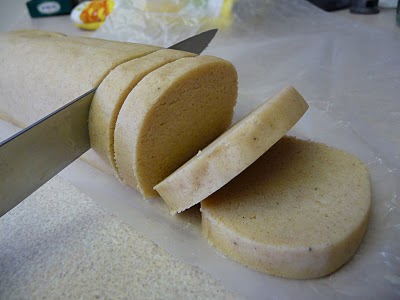
Naturally, the refrigerator manufacturers wanted every home to have a new fridge, so along with the refrigerators came new recipes that required refrigeration before the dish could be served. Jellied salads, cold soups, frozen desserts and aspic-covered concoctions became part of home menus. Other recipes were updated, among them icebox rolls and icebox cookies. Icebox cookies were renamed refrigerator cookies, although of course the basic recipe remained the same. The cookie dough was mixed, and then the directions advised you to place the dough in the 'refrigerator' until thoroughly chilled.
Fortunately, for those of us who love homemade treats, these recipes have survived. Whether you call them icebox or refrigerator cookies, they are still convenient and they taste mighty good. No cooking experience is really necessary to prepare refrigerator cookies from scratch. What could be easier or tastier? The cookie dough is very simple to make and once chilled, the cookies may be baked a few at a time as needed. Almost any dough can be frozen and will keep a couple of months if carefully wrapped. The baked cookies also freeze well, and sometimes it's better to bake all the cookies at once and then freeze some to serve later. This method messes up the kitchen and the cookie sheets only once.
Not long ago I [Sidney Carlisle] was in a demo kitchen in a store on a busy Saturday at the mall. I was slicing refrigerator cookies and baking them in the store. The cookie smell wafted out into the mall and attracted a crowd. As I visited with people, I was stunned to discover that they thought the dough was from the grocery. Not just folks under 30, but people who were old enough to know better. The majority of the people eating cookies, and they managed to eat 21 dozen, had never seen or heard of homemade refrigerator or icebox cookies.
Although many of us have limited time for baking, perhaps the refrigerator method will inspire some of you. If you can spare a few minutes to mix the dough, you can find time later to finish the cookies. And even better, maybe a husband or a teenager would be willing to slice and bake. No matter who ends up doing the baking, everyone will benefit.
The cookie recipes that follow have been in my [Sidney Carlisle's] collection for many years. The first recipe was passed along by my mother and is the one I used for the demo and cookbook signing mentioned above. This recipe is from the 1940's and is one of the best icebox cookie recipes around."
Pecan Refrigerator Cookies - Sidney Carlisle's mother's recipe
Mom's Refrigerator Oatmeal Cookies - the author's recipe is almost exactly like Mom's, except he uses only 1/4 tsp. salt and adds 1/2 tsp.cinnamon. The nuts he uses are pecans. This is Mom's recipe, not Sidney's.
Date Nut Icebox Cookies - one of Sidney's recipes.
Black Walnut Cookies - an old family favorite, recipe found on the Internet
Ways to Form Refrigerator Cookies
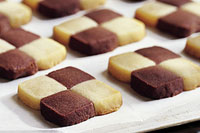
Chocolate Checkerboard
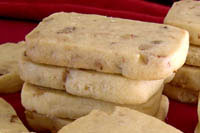
Nut Icebox Cookies

Chocolate Swirls

Pistachio & Dried Fruit
Refrigerating Cookie Dough - Storage
February/March 2011, http://www.cookscountry.com/, America's Test Kitchens
Can I make and refrigerate cookie dough and then bake the cookies a few at a time over several days?
The amount of time you can refrigerate cookie dough before baking depends on the presence and type of leavener in the dough. To sort through holding times for doughs with different (or no) leaveners, we made four batches of sugar cookies: one with baking powder, one with baking soda, one with both, and the last (an icebox cookie) with neither. We baked six cookies from each batch every day for a week. We found that the dough with baking soda held well for two days, but was a little flatter on the third. Cookies with both baking powder and soda began to lose lift after four days. Baking powder–leavened cookie dough maintained good lift all week. The unleavened cookies held well all week.
The cookies with baking soda were the losers in the holding test because soda is a single-acting leavener, meaning that it begins to make lift-giving air bubbles as soon as it gets wet and comes in contact with an acid. Once started, this action continues until all the leavening power is spent—so there’s a time limit. Baking powder is double acting, so it releases gas twice: once when it gets wet, and again when it heats up. So even if the first batch of air bubbles is spent, the second action will allow cookies to rise in the oven.
THE BOTTOM LINE Cookie dough made with baking soda is best used within two days. Recipes with both powder and soda can be made four days ahead. Recipes with baking powder or no leavener can be made up to seven days ahead.
