What is the Difference Between Lo Mein, Chow Mein, Chow Fun and Mei Fun?
from http://chinesefood.about.com/
People frequently assume that the main difference between lo mein and chow mein is the type of noodles that are used. It makes sense - after all, chow mein noodles are crisp while lo mein noodles are soft, right? And chow mein noodles are generally much thinner than their lo mein cousin, so when they are pan-fried, you get a lighter texture. Actually, both are made with Chinese egg noodles; the main distinction between these two popular dishes lies in how the noodles are prepared.
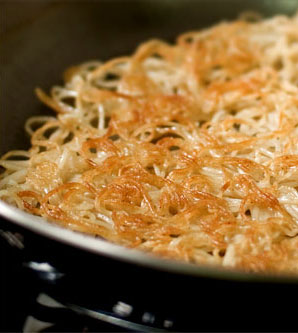
Chow Mein Fried Noodle
for Hong Kong Style Chow Mein
Know Your Noodle Vocabulary
Mein or mian is simply the Chinese word for noodles. Lo Mein means "tossed noodles," while chow mein or chao mian means "fried noodles."
Mein = noodle
Lo = tossed
Chow = fried
What Type of Noodles are Used in Chow Mein and Lo Mein dishes?
Both lo mein and chow mein are made with Chinese egg noodles - wheat flour noodles with egg added. Fresh egg noodles (preferably about 1/4-inch thick) are best for lo mein, while either fresh or dried can be used to make chow mein. Either way, the noodles need to be softened in boiling water before cooking. Dried noodles are parboiled in boiling water for 5 to 6 minutes before using, while fresh egg noodles only need to be boiled for 2 to 3 minutes. But whether you're working with fresh or dried noodles, the goal is to boil them until they are just cooked but not too soft (what the Italian's call "al dente," or "cooked to the tooth").
If Chinese egg noodles aren't available, Italian pastas such as spaghetti make a handy substitute.
How are Lo Mein and Chow Mein Prepared?
The main difference between lo mein and chow mein lies in what happens to the noodles before they are combined with the other ingredients.
Chow Mein (Fried noodles)
In this dish the noodles and vegetables are stir-fried separately and added back together at the end of the cooking process. The noodles can be soft or crispy depending on how long they are cooked in oil. Also, chow mein can be made with either thick or thin noodles. There is a gravy, either added to the noodles while they are stir-frying or at the final stage of cooking. Chicken is a popular meat to use in chow mein; shrimp or pork are used as well.
There are two main types of chow mein dishes: In the first type, the noodles are initially flash-fried, then stir-fried while being tossed with additional ingredients like meat or vegetables and coated in a light sauce. In the second type, crisp chow mein, the noodles are pressed flat while frying, creating a “noodle pancake”. Any additional ingredients and sauces are layered on top of the noodle pancake. This is called Hong Kong Style Chow Mein wherein the noodles are cooked until crisp.
In both styles of chow mein recipes, the noodles are the true star of the dish. Any extra vegetables or protein ingredients are kept to a minimum so they do not distract from the crunchy noodles. These accompaniments are added to the noodles only after the noodles have been boiled and fried in oil on their own, allowing the chef to solely focus on cooking the noodles to a crisp perfection. Similarly, the sauce in a chow mein recipe is used sparingly. Instead of dousing the noodles with sauce, a chow mein dish allows its crispy noodles to shine without becoming soggy. Occasionally, crisp chow mein will be served with a darker, thicker sauce, which softens the crispy exterior of the noodles to create a chewier texture.
How to Cook Hong Kong Chow Mein Noodles (par-cooked)
Noodles labeled "Hong Kong" or "pan-fried noodles" are par-cooked in boiling water, which makes them ready to stir-fry. Use this variety for dry stir-fried noodle dishes and whenever you want the noodles to be slightly (or very) crispy.
Before cooking, open the package and loosen the noodles in a large bowl or work surface. Sometimes a few strands will be clumped up, so make sure to separate them before they go into a wok or pan. “Chow mein” can be stirred fry in two ways – “dried” and “wet”. The wet style uses more water to keep the noodles from sticking, while the dry style requires more oil. They should either be briefly stir-fried with a thin sauce and cooked until the sauce coats each noodle, or shallow-fried in a bit more oil until they form a crispy cake before they're topped with a saucy stir-fry.
If you can't find Hong Kong noodles, you can substitute thin wonton noodles. Boil them in water until they're just barely tender (under a minute), drain and carefully dry them (you don't want any excess moisture if you're planning on stir-frying), and then toss 'em with just a bit of oil.
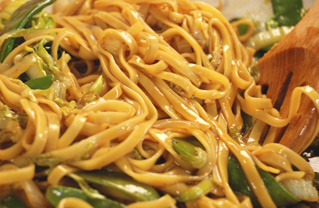
Lo Mein Soft Noodle tossed in a sauce
Lo Mein
Lo Mein is also a Chinese dish with noodles. Though the choice of noodles for lo mein is the same as chow mein, they are prepared differently. Noodles destined for a dish of lo mein skip this separate frying stage. Lo Mein often contains vegetables and some type of meat or seafood, usually beef, chicken, pork, or shrimp.
In fact, the noodles may not undergo any further cooking at all: it is common to serve the parboiled noodles in individual bowls at the table and pour the other ingredients over top. Alternately, the noodles may be quickly tossed with the sauce and other ingredients in the wok before serving.
In American Chinese restaurants, lo mein noodles are usually stirred with brown sauce (a sauce made from soy sauce, corn starch, sugar, and other seasoning), carrots, bok choy or cabbage, onions, and shrimp, roast pork, beef, or chicken. Lobster lo mein, vegetable lo mein, and "House" lo mein (more than one meat) are often available.
Since the real star of any lo mein dish is the sauce, it's not surprising that Lo Mein recipes often use more sauce than chow mein recipes. Frequently, the sauce is thickened with a cornstarch and water mixture before being combined with other ingredients.
In Chinese restaurants, lo mein is a popular take-out food. The parboiled noodles are usually stirred / tossed with a sauce made from light soy sauce, sweet bean sauce or black soybean sauce and other seasonings. Vegetables such as carrot and bean sprouts can be mixed in and meats like pork, chicken are often added.
Recipes
Hong Kong Style Noodles w/ Chicken & Vegetables ("crispy noodle" Chow Mein)
Chicken Chow Mein (or pork or shrimp)
Shrimp Chow Mein
Chicken Lo Mein
Beef Lo Mein
Pork Lo Mein
Chow Fun vs. Mei Fun (rice noodles)
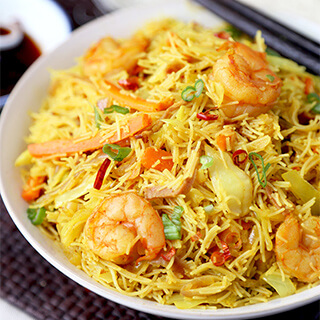
Singapore Mei Fun
Chow Fun and Mei Fun are both made with rice noodles. There are two main types of fun noodles including “Ho Fun” or Shahe fen that are flat rice noodles and somewhat slippery. They are used to make Chow Fun. Another fun noodle is a rice vermicelli, named “Mein Fun or Mei Fun.” They are a thin, angel-hair type of rice noodles.
Only very wide noodles qualify as chow fun. Most of the time, they are made from ground rice, and are typically sold dry either in thick strips or in sheets. They are usually at least an inch (about 2.5 cm) wide, and anywhere from 6 to 12 inches (about 15 to 30 cm) long. Fresh markets may also sell the noodles wet, usually coated in oil to help them maintain their elasticity.
How is Mei Fun prepared?
In Cantonese cuisine, a large number of dishes use the mei fun noodles (“Mai Fun” in Cantonese). Mei fun uses a very fine threadlike rice noodle, called Mei Fun Noodle. Usually the noodles are simmered in broth, flavored with meatballs, fish balls and seafood. Sometimes the noodles are reconstituted, and then deep fried for crunchy style noodles, other times, they are stir fried wet into the vegetable and meat mixture that makes up the rest of the dish. In Hong Kong, Singapore Mei Fun is a dish of fried rice vermicelli, the parboiled noodles are fried with sauce, firm vegetables, such as bean sprouts, carrot and meats and seafood are often added.
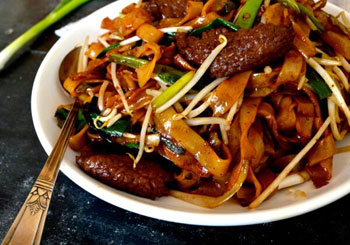
Beef Chow Fun
How is Chow Fun prepared?
There are usually two ways of preparing a chow fun dish. The first method is “dry” frying, in which the noodles are cooked on their own in a wok or deep skillet. The heat of the pan gives the noodles a distinctive smoky flavor that many consider a delicacy. An example of this would be usually listed as "Beef Chow Fun." The noodles are dark.
The alternative is “wet” cooking, in which the noodles are soaked in oil or a savory sauce before cooking, then fried while moist. These noodles often turn out more slippery than those cooked dry, but may be more flavorful. An example of this would be Beef Chow Fun with Black Bean Sauce. The noodles are white in this dish.
Recipes
Beef Chow Fun
Beef Chow Fun w/ Chinese Broccoli
Singapore Mei Fun (stir-fried curried rice noodles w/ shrimp, pork, and vegetables)
