Types of Asian Wrappers
Much of this information is from https://www.allrecipes.com/
Asian cuisines have stuffed food into wrappers for centuries, creating everything from delightfully crunchy egg rolls to melt-in-your-mouth tender dumplings. But the wide range of wrapper types can sometimes be confusing to the uninitiated. With our handy guide to the most common (at least in the United States) varieties of wrappers, you'll no longer have these questions when perusing the refrigerated or freezer section of your local Asian grocery store or deciding which dough to make.
Types of Dough
Dumpling Dough made with Flour, Water and Salt - Hot and Cold Water versions
Asian wheat flour wrappers, for dumplings, potstickers, etc., may be made with cold or hot water—the temperature is traditionally dictated by the cooking method. Most recipes for boiled and steamed dumplings (such as jiaozi and siu mai) use a hot water dough made of just flour and water and are rolled into a circular in shape. Hot water dough is one of the secrets to Chinese cooking – using boiling water gives the dough greater elasticity, so that it holds its shape better. Doughs made from cold water are usually used to make boiled dumplings.
If you prefer a dough that is more supple to work with and more tender when cooked, replace about ¼ of the flour with corn starch.
Dumpling Dough made with Tapioca Starch
The wrappers are made with boiling water, to which wheat starch, tapioca starch, oil and a small amount of salt are added. Thanks to the use of tapioca starch in the mix, the dough is stretched incredibly thin, allowing the skin to be almost translucent. One recipe that uses this dumpling dough is Har Gow.
Dough made with Egg for Egg Rolls and Wontons
This same dough is used to make boiled wontons, fried wontons, egg-roll wrappers, Chinese noodles and egg noodles, depending on the size you cut them and how you cook them. Egg roll and wonton wrappers contain egg in addition to flour and water and have a square shape. Egg Rolls are deep-fried; whereas wontons are boiled, or sometimes deep-fried as in Crab Rangoon. Wonton wrappers are traditionally thinner than dumpling wrappers.
- Eggroll wrappers or skins: The Chinese use these dough squares to make deep-fried egg rolls. Egg roll wrappers are about 6 inches square.
- Wonton wrappers or skins: Wontons are the Chinese answer to ravioli--small packets of meat encased in a thin noodle wrapper. The wrappers are made of flour, eggs, and water, and, once filled with meat, can be easily folded and pinched into shape. The wrappers come in different thicknesses and are about 3 1/2 inches square. The thin ones work best in soups, while the thicker ones are best for frying.
Recipe for Egg Roll/Wonton Wrappers
Other Wrappers
- Rice Paper Wrappers: Rice paper wrappers are super thin wrappers traditionally made from rice, water and salt that can be filled with almost anything. Since they are so thin, the wrappers are almost translucent so you can see whatever is inside. To use, they are soaked in warm water for a few seconds then rolled with whatever filling ingredients you are using. Rice paper is sold in dried sheets.
- Chinese Crepes - Recipe
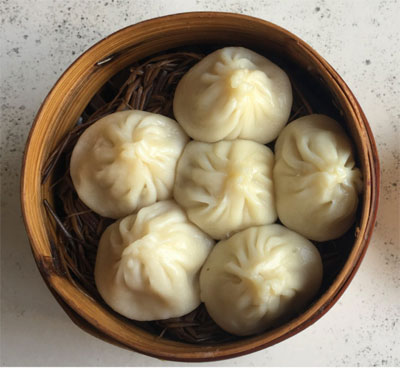
Dumpling Wrappers
"Dumpling" is broad term that spans across cuisines and can vary greatly depending on where you're eating. Typically in Asian cuisines, a dumpling is a thin wheat-based dough filled with meats, or other proteins, and vegetables before being folded up and either steamed, boiled, or fried. The main difference from country to country is the preferred fillings and how the dough is folded. China has jiaozi, Mongolia serves buuz, Nepal enjoys momo, Korea plates up mandu, and gyoza is a staple in Japan. Dumpling wrappers are not made with egg and are thinner than wonton skins or eggroll wrappers.
Steamed vs Boiled Dumplings:
In comparing steamed dumplings to boiled dumplings we can say, steamed dumpling wrappers are tougher, while boiled dumplings are softer and chewier. Steamed dumplings are also yellower, and their color darkens as they cool while boiled dumplings remained white. This is due to the amount of water the dumplings absorb. As a result, the steamed dumpling wrappers are drier and tougher than the boiled ones. Because steamed dough absorbs less water, it’s typically rolled thinner to avoid unpleasantly tough wrappers. Boiled dumpling wrappers, on the other hand, need to withstand the turbulence of the boiling water, so they tend to be thicker.
Cold Water vs Hot Water Dough for Dumplings
Starch absorbs more boiling water than cold water, so you needed more water in a hot water dough to make it the same consistency as a cold water dough.
Also their textures differ. Hot water dough feels like Play-Doh modeling clay, whereas cold water dough sprangs back if pressed. This difference in texture reflects the amount of gluten in each dough. Remember that gluten is elastic. Cold water dough is more elastic than hot water dough, so it returns to its original shape when stretched or poked. The high temperature of the boiling water denatures the proteins that form gluten, which means they lose their shape. Without their shape, the proteins can’t link up very well, and the resulting gluten webs are small and scattered.
This means the cold water dough needs to be rested throughout the cooking process. Hot water doughs, on the other hand, don’t need to rest because there’s barely any gluten to fight against. This also makes hot water doughs easier to roll out. Without gluten to pull the dough back on itself, we can roll hot water doughs thinner.
Steamed dumplings are often made with hot water dough. Because the dumplings won’t absorb much water as they cook, it’s preferable to use a dough with more water and less gluten so it rolls thin and remains tender.
Boiled dumplings are typically made with cold water dough. Since the starch in the flour gelatinizes as the dumplings cook, the limited water and developed gluten in the dough won’t make the dumpling unpleasantly tough, and the wrappers can withstand the turbulence of boiling water.
Dumpling wrappers or skins: These thin round wrappers are used to make the delicate dumplings that are so popular at dim sum restaurants. The difference between jiaozi and potstickers comes down to how the dumpling is cooked.
- Jiaozi wrapper or skins: These crescent shaped Chinese dumplings with pleated edges are normally filled with meat or vegetables, although you’ll occasionally find recipes calling for more unusual ingredients such as shrimp and even winter melon. The dumplings are usually boiled, although they may also be pan-fried.
- Gyoza wrappers or skins: The Japanese use these 3" round wrappers to make pork-stuffed dumplings similar to Chinese potstickers, except the dough is thinner. The traditional cooking method is to pan-fry one side of the gyoza until crispy, then add a dash of water and cover to steam the remaining part of the dough. The resulting dish is simultaneously crisp and tender. Western cooks sometimes use them to make ravioli. Japanese gyoza are very similar to Chinese potstickers.
- Potsticker wrappers or skins: Potstickers differ from steamed dumplings in that they have a crispy golden brown bottom as they are pan-fried on one side while steamed dumplings are usually placed in a bamboo steamer and steamed to perfection. Pan frying postickers makes them stick lightly to the pan (hence their name) and then water is added and they are steamed a little more. It’s traditional to flip them over before serving so that the browned, pan-fried side is on top. Like boiled jiaozi, potstickers are made with a hot water dough.
- Suey gow wrappers or skins: These are similar to potsticker wrappers, but they're intended to be used in soups.
Recipes:
Hot Water Dumpling Wrappers
Cold Water Dumpling Wrappers
Dumpling Fillings & Tips
Steamed Chinese Dumplings (Shu Mai)
Sichuan Boiled Dumplings w/ Spicy Dipping Sauce
Pork Pot Stickers
Egg Roll Wrappers
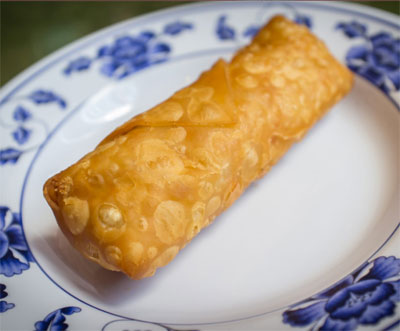
Found in China and other Mandarin-speaking countries, egg rolls use a square-shaped wrapper. The main ingredients are flour, salt, water, and eggs, the latter of which makes the texture relatively thick. They crisp up when fried to a golden brown, but don't "shatter" in your mouth like fried spring rolls or lumpia (more on them to come). Egg rolls can also be baked, but they're more likely to have a chewy texture that isn't found in tradition version of the dish. Their thickness makes them ideal for holding more moist ingredients like certain vegetables or fatty meats, which could make other wrapper varieties soggy. Common fillings include ground pork, shredded cabbage, or ground chicken.
The dough for egg rolls is the same as for wontons, except egg roll wrapper are made into a 6-inch square and wonton wrappers into a 3 1/2-inch square.
Recipes:
Egg Roll/Wonton Wrappers (made with wheat flour, water, egg and salt)
Egg Rolls
Wonton Wrappers
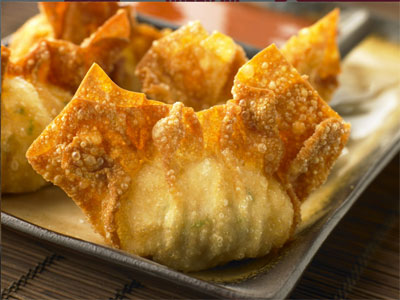
A common dumpling type across China, wontons are a versatile food thanks to the variety of ways they can be cooked. The square wrappers are made with a combination of wheat flour, water, egg, and salt. Wontons can be boiled, steamed, pan-fried, or deep-fried. In Asian cuisine they're often boiled into soups and other broth-based dishes, while Chinese-American restaurants usually offer a fried wonton appetizer that's typically stuffed with some type of meat and served with a sweet dipping sauce on the side.
Recipes:
Egg Roll/Wonton Wrappers (made with wheat flour, water, egg and salt)
Wonton Soup
Crab Rangoon
Sichuan-Style Wontons in Hot & Sour Vinegar & Chili Oil
Gyoza Wrappers
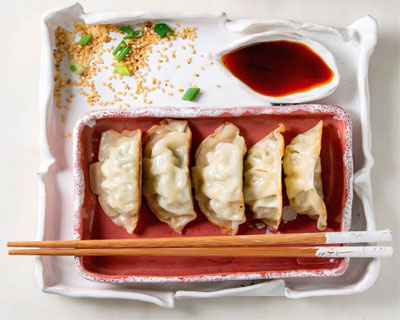
Gyoza are Japanese dumplings that are similar to Chinese jiaozi but with a thinner dough. The theory is that Japanese soldiers returning from World War II in China brought back the dish's concept to their homeland. Gyoza are recognizable by the pleated folding technique that gives each dumpling a half-moon shape. The traditional cooking method is to pan-fry one side of the gyoza until crispy, then add a dash of water and cover to steam the remaining part of the dough. The resulting dish is simultaneously crisp and tender. Common gyoza fillings include ground pork, wood ear mushrooms, scallions, shrimp, and cabbage.
Rice Paper Wrappers
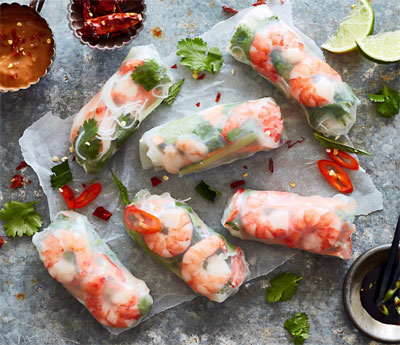
Rice paper is an ingredient that originated in Vietnam and is shelf-stable, so you'll find them in your grocery store's inner aisles. Made with a blend of rice flour and tapioca flour, each piece of rice paper starts off with a dry and stiff paper-like texture that's nearly see through. But the rice paper magically transforms into a pliable and chewy ingredient once it's had a quick dip into water. It's then rolled into non-fried spring rolls and summer rolls that are filled with ingredients like raw or cooked vegetables, herbs, cooked meats or seafood, and rice noodles. Rice paper rolls are great for no-cook dishes, plus they're also naturally gluten-free and vegan-friendly. The only downside is that once they've sat for a while, the rice paper wrapper becomes gummy, so spring and summer rolls are best eaten within an hour of making them.
These thin, fragile sheets are brittle, so you need to moisten them with water before wrapping foods in them. Keep them moist while you work with them by covering the stack with a damp towel. Rice paper doesn't need to be cooked, but it's sturdy enough to be steamed or deep-fried.
Unlike spring rolls (see below) and egg rolls, summer rolls are served cold (perfect for the summer months) and have a translucent wrapper. These rolls go by many names: Vietnamese spring rolls, summer rolls, fresh spring rolls, or salad rolls. They're of Vietnamese-origin, and typically consist of rice noodles, carrots, lettuce, cucumbers, herbs, and shrimp or pork wrapped in a rice-paper wrapper. Summer rolls are typically served with a peanut or hoisin dipping sauce.
Recipes:
Vietnamese Summer Rolls
Vietnamese Summer Rolls with Shrimp and Ground Pork
Spring Roll Wrappers
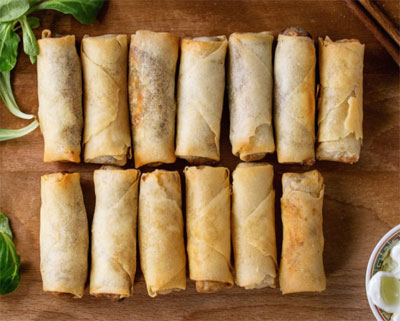
In Vietnam, a spring roll often relies on the rice paper mentioned above for a fresh, no-cook roll. But as early Vietnamese people emigrated to the United States, they found that rice paper was a commodity that wasn't easily purchased. So instead, many Vietnamese restaurants began serving spring rolls that are fried until incredibly crispy in a wheat flour-based wrapper that's common throughout east- and southeast-Asian cuisines. Spring rolls have a paper-thin wrapper that's made from flour and water. This wheat version of spring roll wrappers is often in the refrigerated section of grocery stores and is much thicker and more opaque than rice paper. Common fillings include shredded pork, bean sprouts, bamboo shoots, and cabbage, and then fried. They're often served with a vinegar, sweet and sour, or Worcestershire-based dipping sauce.
The difference between an egg roll and a spring roll is that egg rolls are created by adding egg to the wrapper dough, resulting in a thicker dough. The end result? Eggs rolls have a blistered and bumpy skin, while spring rolls are smooth.
Recipes:
Lumpia Wrappers
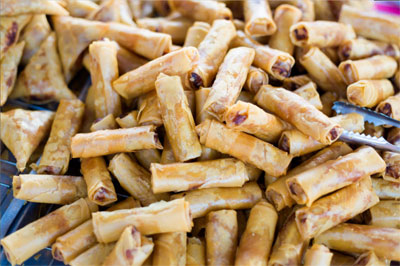
Lumpia are a Filipino-style version of spring rolls. Typically made from flour, cornstarch, and water, lumpia wrappers are thin and delicate, but strong enough to hold fillings. You can either serve lumpia fresh or fried. When fried, the wrapper crisps up to be incredibly flaky and practically shatters when you take a bite. Savory lumpia often have ground pork and veggies inside, while dessert lumpia regularly rely on the sweet flavors of bananas and ube (a type of purple yam).
