Types of Mushrooms & Fungi Used in Chinese Cooking
In Asian cooking, mushrooms give extra umami flavours, fragrance and textures to a plethora of dishes, savoured in stir-fries, sushi, braised delights, deep-fries, soups and more. Delicious for meat, seafood and veggie dishes. So popular that China is actually the world’s largest mushrooms cultivator, with over 8 million tonnes produced each year.
In Chinese cooking, dried mushrooms are often favored over fresh, as the drying process really enhances their flavor, similar to dried vs. fresh herbs. These mushrooms are used in a range of dishes and usually are an “accompanying” ingredient. The mushrooms really add body and meatiness to vegetarian and vegan dishes like Braised Tofu with Vegetables.
To prepare these, just rehydrate them in warm water for at least 15 minutes, even if you plan on using them in a stew, soup, or stock. Soaking the mushrooms helps remove any dried and crusted bits of dirt that clung to the mushrooms during harvesting and drying. You may also want to remove the stems, as the drying process can render them a bit too woodsy for a stir fry or stew. The stems are great for soups so don’t throw them away. You can leave the stems on for the extra fiber, but if you do this, at least trim the bottom of the stem, as that portion is usually driest and carries the most dirt.
Don’t dump the soaking liquid down the drain. The liquid from soaking the dried mushrooms can be used to enhance the flavor of soup or braising liquid. It also makes a great vegetarian/vegan friendly substitute broth if you don’t mind the strong flavor. Be sure to strain the liquid using a fine mesh strainer or a coffee filter if you want to add it to a very clear broth.
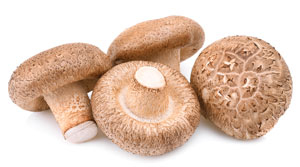
Chinese Mushroom (Shiitake mushroom)
Chinese Mushroom, also called Shiitake mushroom, Chinese black mushroom and forest mushroom (not to be confused with European dried mushrooms) are the most widely used mushrooms in Chinese cooking and are grown chiefly in China and Japan (the name 'Shiitake' comes from Japan). Their fleshy caps are dense, and their stems are tough yet can be used for flavoring before being discarded. Shiitakes can easily replace other mushrooms in recipes. They have a pleasant flavor and absorb the taste of other ingredients. Chinese mushrooms are often sold dried and will keep for up to a year. Rinse well, then soak in hot water for at least 30 minutes. The soaking water can be strained and used to add flavor to a stock.
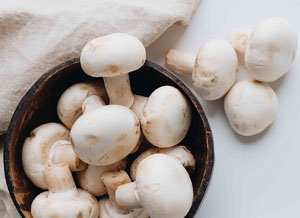
Agaricus mushroom
Plump, dome-shaped mushrooms, ranging in size from small (button mushrooms) to big. The most widely cultivated and consumed mushroom, these common mushrooms have a mild and earthy flavor. Their color can range from white to pale brown, and their caps should be firm and evenly colored.
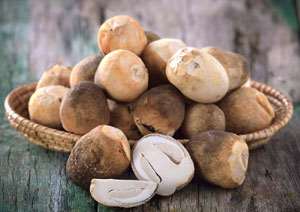
Straw Mushroom
This Asian mushroom gets its name from being cultivated on straw that has been used on a paddy. These grayish brown fungi are long with a conical cap over a bulbous stem, and have a mild flavor that makes a nice addition to Chinese dishes. They can sometimes be found fresh in specialty produce markets but are more readily available canned. Also known as paddy-straw mushrooms and grass mushrooms.
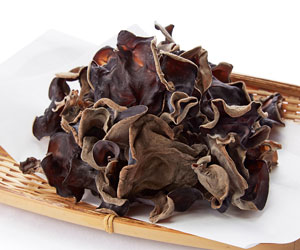
Wood Ear Fungi
A popular ingredient in Szechuan cooking, wood ear, is also known as the tree ear, Jew's ear or cloud ear mushroom. It owes that name to its flat earlike shape. Its translucent brownish beige flesh is gelatinous but firm, crunchy and relatively tasteless. They absorb the liquid in which they are cooked and take on the taste of the other ingredients. Wood ears are often sold fresh in Asian specialty food stores. They are also available dried. Store fresh wood ears unwashed in the refrigerator. Although they keep for up to a month, it is best to use them within a week. To prepare for use in recipes, wash the fresh mushrooms quickly in cold water and remove the sticky parts. As for dried wood ears, soak them in warm water for ten minutes. Drain them, change the water, and let them soak for a further 10 to 15 minutes or until soft. They will expand to up to five times their initial dry size. Then rinse off any dirt carefully.
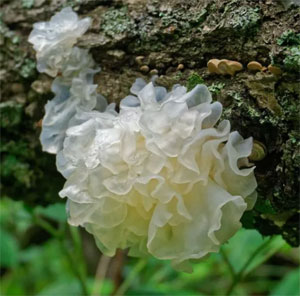
Snow fungus
Snow fungus, also known as white tree ear fungus, silver fungus, and silver ear is quite similar to wood ear fungi but it is white in color and almost transparent. Good-quality snow fungus has a pale and yellowish-white color. It is often used in soups and desserts and believed to improve the complexion. Thy these recipes : Sweet and Sour Vegetarian & Snow Fungi Sweet Soup.
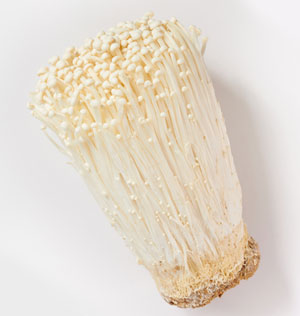
Enoki mushrooms
Also called golden needles mushroom are small white mushrooms that grow in clumps with long, thin stems topped with a tiny white cap and a mild, almost fruity flavor. They have a crisp, crunchy texture when fresh, but tend to become tough when heated; also known as velvet stem/shank, snow puff and golden mushrooms. The enoki mushroom is highly esteemed in Asia and figures prominently in various Chinese dishes.
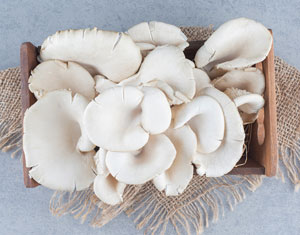
Oyster mushrooms
A fan-shaped mushroom with white flesh and a gray to brown exterior. This soft, moist fungus has a peppery, robust flavor when raw, and is often used in salads. The flavor softens when cooked, and oyster mushrooms are a nice addition to casseroles, soups or stir-fried dishes. Available in some areas year-round, particularly in specialty produce and Asian markets; canned oyster mushrooms, which should be rinsed before using, are also available.
