Patisserie, Boulangerie vs. Viennoiserie: What is the difference?
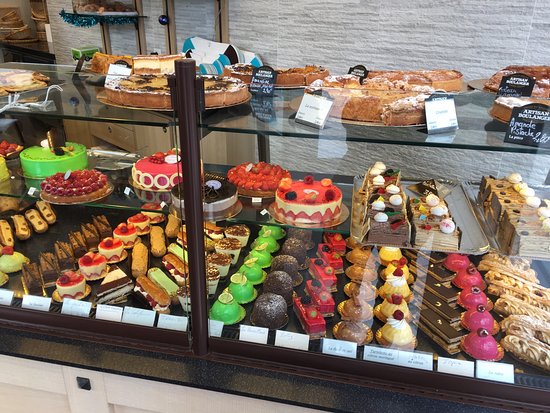
What does Patisserie mean?
Patisserie is a word that refers to French pastries and the shops that sell them. While the origins of pastries can be traced back to ancient Mediterranean cultures, France is where the iconic choux and puff pastry were developed and it was here patisserie was elevated into a fine art.
Patisseries can now be found all over the world, but in France and Belgium, a shop needs to employ a maitre patissier before it can be legally called a patisserie.
Types of patisserie
Pâtisserie comes in all shapes and sizes, but in general they are pastries made from the five main types - choux, flaky, filo, shortcrust and puff - or cakes. Among the most well-known include:
Eclairs
Macarons
Madeleines
Millefeuilles
Profiteroles
Tartes tatin
What do you buy in a patisserie?
Modern pâtisseries are as much a feast for the eyes as they are for the stomach, with a wide variety of elaborate cakes, delicate pastries and other sweet treats presented in tantalizing displays.
Many patisseries are also boulangeries, so alongside the French pastries and Viennoiserie items, you will also find baguettes, pain de campagne and other savory baked goods.
But it’s the patisserie and viennoiserie products that usually take center stage, with the savory breads playing very much a supporting role. As well as the types of pastry listed above, you can expect to find such delights as Paris-Brest (a round choux pastry dessert with a praline cream filling), Croquembouche (French wedding cakes made from profiteroles), tarte au citron and popular viennoiserie such as croissants, pains au chocolat, brioche and pains aux raisins.
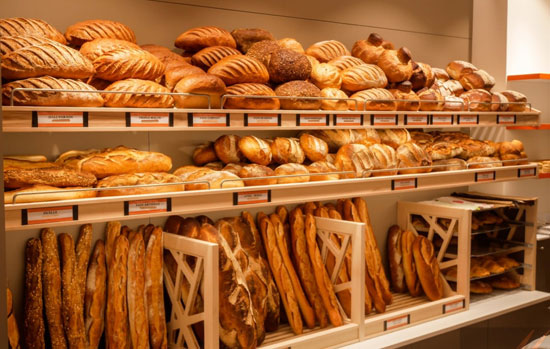
What is a Boulangerie?
A boulangerie is a French bakery shop, which in France must actually bake bread on its premises to legally qualify to use the term ‘boulangerie’. Boulangeries specialize in French bread, most notably traditional loaves such as baguettes, pain de campagne, pain rustique and pain au son.
While some do sell patisserie and viennoiserie, their main trade is savory bread. Bread is one of the defining symbols of French culture and boulangeries can be found in most French towns and villages. It is such an integral part of life in France that, by law, any French baker who wants to take a holiday has to arrange for another baker to cover his work.
What's the difference between a patisserie and a boulangerie?
While there is a fair amount of crossover between what a French boulangerie and a patisserie sells, in general a boulangerie concentrates on savory breads while a patisserie focuses on sweet pastries, cakes and desserts. Of course, many shops are both boulangeries and patisseries, meaning they specialize in the entire range of French breads, pastries and other baked goods.
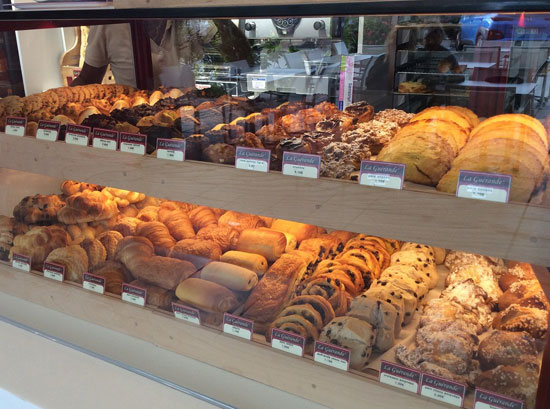
What is Viennoiserie?
Often considered the bridge between patisserie and boulangerie, Viennoserie consists mainly of breakfast pastries and sweet bread from Vienna, Austria. Viennoiserie includes items traditionally made with white flour and yeast, which makes the dough rise quickly, or using enriched puff pastry.
Common Viennoiserie products include favorites such as brioche, pains au chocolat, croissants and pains aux raisins. These delicious pastries became popular in France when Austrian artillery officer August Zang opened his famous Boulangerie Viennoise in Paris in 1839 and have become an essential element of French culture ever since.
What’s the difference between viennoiserie and patisserie?
Often confused, Viennoiserie is not the same as patisserie, with the main difference being the use of yeast. Viennoiserie tends to be less indulgent, delicate and sophisticated than patisserie, although making the perfect croissant is considered an art in itself.
