Types of Italian Lasagnas
Lasagne is one of the oldest, if not the oldest, type of pasta, dating back to the Ancient Greeks and Romans. The Romans baked this pasta in a dish called ‘lagana’. However, the dish we know as Italian lasagna with a tomato and meat sauce, béchamel and cheese didn’t develop until 18th century when tomatoes first started being used in Italian cuisine.
In southern Italy lasagna is generally made with dried sheets of pasta layered with rich meat ragú, ricotta and mozzarella. In the north, especially in Bologna, the most popular version of lasagna features fresh egg pasta colored green with spinach and layered with ragú, bechamel and Parmigiano Reggiano.
The three main components of lasagne are: lasagna pasta (usually egg noodles), sauce, cheese. That’s it! The concept is very easy but it’s in the sauce that really defines the different types of lasagna in Italy.
Lasagna: History
There is archeological evidence of thin sheets of pasta, much like modern lasagna, dating back centuries. The remarkable 4th century BC Etruscan frescoes in the Tomba dei Rilievi (“Tomb of Reliefs”) in Lazio near Rome show the basic tools and ingredients for pasta-making as well as banquets showing diners enjoying a version of lasagna.
As for written evidence, a dish consisting of layers of dough, meats and cheeses appears in the ancient Roman 1st century AD cookbook De Re Coquinaria (“on the Subject of Cooking”) by Apicius. It wasn’t until the Middle Ages that a recipe appears for something approximating modern lasagna. The 14th century cookbook: Liber de Coquina (“the Book of Cookery”) describes a dish of flattened dough, boiled and then sprinkled with cheese and spices.
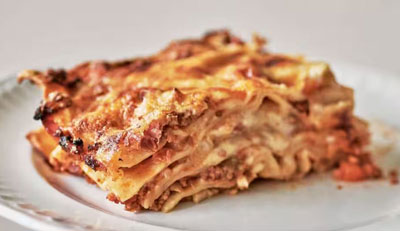
Cliassic Lasagne Alla Bolognese
Made with ragu and a béchamel, but no mozzarella or ricotta
Lasagne Alla Bolognese
Lasagne alla Bolognese is the most popular and famous type of lasagna in the world. Originally from Bologna, this hearty lasagna is made from rich egg pasta sheets layered with a béchamel sauce and hearty meat ragù. The authentic recipe for lasagne alla Bolognese is made without mozzarella or ricotta. The lasagna is finished with a heavy dusting of Parmigiano Reggiano, the nuttiest and richest of all the aged Italian cheeses, giving the lasagna an extra crunchy and salty crust.
There are actually two types of lasagna alla bolognese al forno, both of which come from the Emilia-Romagna region of Italy. In America, we are most accustomed to lasagna pasta sheets being yellow, but the more traditional lasagna recipe actually calls for green lasagna pasta made from spinach. In both cases, beef is not the singular meat ingredient in the bolognese or ragu sauce. Other ground meats such as veal and pork are used for the sauce as well. Parmigiano-Reggiano cheese and Béchamel sauce (white sauce) are also primary ingredients for lasagna alla bolognese.
Lasagne Alla Ferrarese
Lasagne alla Ferrarese is not as well known as other types of lasagna because it’s usually only eaten in Italy for festive holidays and celebrations in Ferrara. This type of lasagna is still very regional, meaning that you don’t really see it outside of Emilia Romagna. It’s made similarly to lasagne alla Bolognese but with a slightly different meat ragù and layered with a fresh spinach and egg pasta. The meat sauce is rich, made with the combination of pancetta, pork, beef, prosciutto crudo and chicken livers. That’s a whole lot of meat! The fresh spinach pasta is then layered with béchamel sauce and the meat sauce and cooked until bubbling and piping hot.
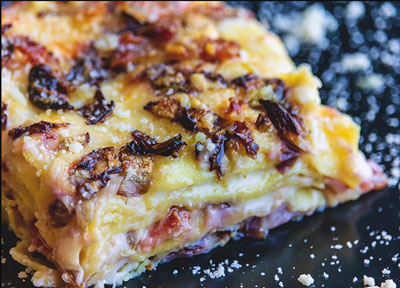
Lasagne Al Radicchio (also Taleggio Lasagna)
This delicious vegetarian lasagna from Treviso, an Italian city located in the Veneto region, is made with red Italian chicory (the key ingredient), béchamel, cheese, shallots and, of course, lasagne pasta sheets. This type of lasagna is associated with northeastern Italy, and radicchio di Treviso, with its long shape, is the most common type of radicchio used in this lasagna variety. In Veneto, the dish is also called pasticcio di radicchio.
There are versions of lasagna from this city that are completely vegetarian, but you can also add pancetta. The other star ingredients are radicchio, local Taleggio cheese, shallots and mushrooms.
There are many variations on radicchio lasagne – besides the crucial ingredients to make the dish such as lasagna sheets, béchamel sauce, salt, pepper, and often some garlic and parmesan, there are varieties made with the addition of salsiccia sausage, walnuts, speck, and cheeses such as Piave, Gorgonzola, Scamorza, and Fontina.
When making radicchio lasagna, it’s traditional to add regional cheeses such as taleggio but scamorza cheese, gorgonzola or fontina are other popular choices in Italy. The rich cheese compliments the butter radicchio and rounds out the entire dish.
Lasagna with radicchio di Treviso & taleggio sauce
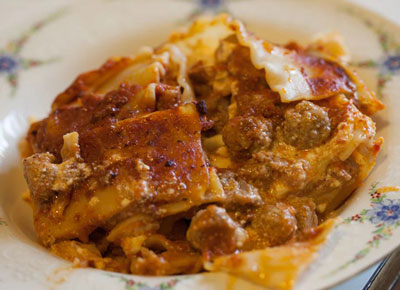
Lasagne Alla Napoletana
The traditional lasagna recipe from Naples, Italy, sometimes called lasagne di Carnevale, is actually a baked pasta dish that is usually only served during carnevale, a holiday festival before Lent. To make this lavish and rich lasagna, lasagne sheets are layered with fresh ricotta, the regional recipe for meat ragù, mini meatballs and hard-boiled eggs. Traditionally, this kind of lasagna was made during the Carnival festivities as a special treat for locals who could typically not afford to eat so lavishly. Some varieties are made with the addition of mozzarella and local sausages.
Lasagna Vincisgrassi
Lasagna vincisgrassi is Le Marche’s most famous dish of all, beloved by all Italians. It still remains quite regional, meaning you won’t find it outside Le Marche but when you go there, you can’t miss it – it’s everywhere! Vincisgrassi is made like most other layered lasagne dishes with béchamel but is set apart by the meat ragù recipe made with chicken giblets. Depending on the season, locals may add wild game for an ever richer and more earthy version (duck is a popular choice).
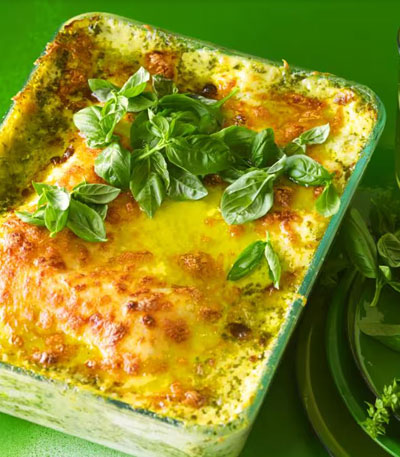
Lasagne Alla Genovese
The city of Genoa in the Liguria region of Italy is world-famous for its pesto, so it only makes sense that their traditional lasagna recipe is made not with ragu sauce, but with pesto sauce! In fact, there is no meat at all in this lasagna sauce, so this dish is perfectly suited for vegetarians!
If you like pesto, you are going to love this lasagne alla genovese, sometimes called lasagne al pesto e patate (with pesto and potatoes). Liguria is famous for their pesto, especially in Genoa, the region’s capital. While most tourists order the trofie al pesto (homemade pasta with pesto), this Italian lasagna is the real star. It’s also one of the most unique types of lasagna that you can recreate at home. The potatoes add a creamy element and when paired with the rich béchamel, it’s truly decadent. Layers of fresh pasta are stacked with paper thin slices of cooked potatoes, white sauce, locally made pesto and parmesan cheese and baked until crisp.
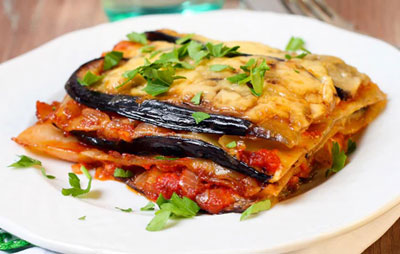
Lasagna alla Norma
This recipe is from Sicily, from Catania in particular, and is a baked lasagne version of Sicily’s famous pasta alla Norma. Pasta alla Norma was earlier called pasta con le melanzane (lit. 'pasta with eggplant') and you will find this recipe sometimes listed as Pasta Con Le Melanzane.
Eggplant is an ingredient in pretty much every traditional Sicilian pasta dish, so finding it in this popular baked pasta recipe is no surprise. Lasagna alla norma includes thinly sliced roasted eggplant, grated ricotta salata cheese, tomato sauce, basil, and and pine nuts (Arabic influence coming in). This lasagna recipe does not involve meat.
The best varieties are made when the eggplant is fried but it’s often made with broiled eggplant. Both are good but the fried version is much more flavorful and rich, not surprisingly. Some also add a tomato sauce into the layers.
Lasagna Bianca
This lasagne from Puglia is white, with no tomatoes in sight. Instead, its flavours are derived from the inclusion of vegetables like mushrooms – traditionally cardoncelli or porcini - or zucchini, béchamel, Parmigiano and burrata (stracciatella – the creamy mixture inside the burrata, cheese is similar to mozzarella). The layering process starts with lasagne sheets at the bottom, followed by béchamel and mushrooms, then grated Parmigiano. Repeat until you reach the top of the dish. Finish the lasagne with a final layer of béchamel, stracciatella, bits of butter and more Parmigiano.
Lasagne Ai Semi Di Papavero and Lasagne da Fornel
Lasagne ai semi di papavero is perhaps the strangest of all the types of lasagna that you will see in Italy. And why? Because it’s sweet! Lasagne ai semi di papavero is made with fresh pasta sheets that are layered with a sweet mixture of poppy seeds, butter, and sugar. Although traditionally sweet, it’s not uncommon to find savory versions as well with prosciutto crudo, leeks, and/or gorgonzola cheese.
Another sweet lasagna is Lasagne da Fornel. It is traditional to serve a meatless meal for Christmas Eve. Lasagne da Fornel is a meat and dairy-free specialty from the Dolomite area of northern Italy’s Friuli-Venezia Giulia region traditionally served as a first course on Christmas Eve. It is a most unusual Italian lasagna, made by layering sheets of lasagna with grated apples, dried fruit, nuts, and poppy seeds.
