Dashi
from https://www.justonecookbook.com/
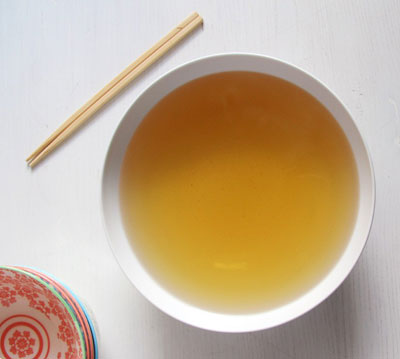
Dashi (だし) is the basic stock used for Japanese cooking. If you try making Japanese food without dashi, it will not taste authentic. You cannot replace dashi with chicken or vegetable stock. If you skip it, the resulting dish will not reflect it’s true taste. Dashi is used in many Japanese dishes, such as miso soup, noodle soup, donburi (rice bowl), chawanmushi (savory egg custard), simmered dishes like Nikujaga and more. Without dashi in Japanese cooking, it lacks authenticity.
What does Dashi Taste Like
With a distinctive sweet and savory note, dashi almost reminds you a taste of ocean. The deep umami flavor is what set dashi apart from other stocks. It is rich yet delicate. Thanks to the naturally occurring of glutamates in the ingredients used to make dashi, the stock will immediately enhance and intensify the flavor of foods with which it is cooked with.
Dashi and its many uses
The most common use for dashi is in a bowl of delicious miso soup, the soup for the soul for the Japanese. If you wish to make an authentic Japanese miso soup, I encourage you to use dashi instead of substituting it with other broths. You will notice the difference right away! Dashi is also being used as a base in noodle dishes like ramen and many other Japanese hot pots, stews and soups. You can also use it as a cooking liquid or add it to sauces to bring out savory depth of the dishes. Since it is a clear broth with subtle aroma, dashi is really versatile and you can literally use it in any dishes that call for a touch of liquid.
Dashi is best homemade, but if you do not use dashi frequently, you can buy packets similar to tea bags for making it, or dashi powder which is just added to boiling water.
Dashi is a fundamental ingredient in many Japanese dishes. Dashi can be made from kombu (dried kelp), katsuobushi (dried and smoked bonito/skipjack tuna that is shaved into thin flakes), iriko or niboshi (anchovies/sardine), or a combination of all or two of them. All the dried ingredients that are used to make dashi are rich in naturally occurring glutamates and provide intense flavor to the stock. Dashi creates a savory umami flavor from all these ingredients and you don’t need to season the food much if you have good dashi.
Dashi (Awase Dashi) 合わせだし(dried kelp + bonito flakes)
Awase Dashi is the most common seafood based stock made from a combination of kombu and bonito flakes. It's a basic all-purpose stock that goes well with most Japanese cooking and is used for about 80% of cooking. When recipes call for “dashi”, use this dashi. Awase means “combination” in Japanese. This dashi is good for: Miso Soup, Oyakodon, Oden, Nikujaga, Chikuzenni, Tamagoyaki, etc.
0.7 oz kombu (dried kelp) (0.7 oz = 20 g or 4" x 5")
3 cups katsuobushi (dried bonito flakes) (3 cups = 30 g = 1.06 oz)
4 cups water (4 cups = 960 ml) (if a weaker dashi is needed, use 8 cups)Gently clean the kombu with a damp cloth without removing the white powdery "umami" substances. Do not wash the kombu! Make a couple of slits on the kombu. Put the kombu and water in a saucepan for at least 30 minutes. If you have time, soak for 3 hours or up to half day. kombu’s flavor comes out naturally from soaking in water. If you don’t have time at all, skip this process.
Slowly bring to a boil over medium low heat, skimming the surface occasionally. Just before boiling (you will see bubbles around the edges of the pan), remove the kombu and keep it for "Niban Dashi" (see Note). If you leave the kombu inside, the dashi will become slimy and bitter.
Turn off the heat to let the dashi cool down a bit. Add the katsuobushi and bring it to a boil again, skimming occasionally. Once the dashi is boiling, reduce the heat, simmer for just 30 seconds, and turn off the heat. Let the katsuobushi sink to the bottom, about 10 minutes. Strain the dashi through a sieve lined with a paper towel set over a bowl. Gently twist and squeeze the paper towel to release the extra dashi into the bowl. Keep katsuobushi for "Niban Dashi" (see Note).
If you are not using the dashi right away, save it in a bottle and keep in the refrigerator for 3-7 days or in the freezer for 3 weeks. Save the drained katsuobushi and kombu to make homemade Furikake (rice seasoning).
"Niban Dashi": It means second dashi and it is light dashi using leftover kombu and bonito flakes from "Ichiban Dashi" you just made.
- In a pot, put 4 cups of water and leftover kombu and bonito flakes used in Ichiban Dashi and bring it to a boil over high heat.
- Lower the heat and cook for 10 minutes while skimming.
- Add additional .18 oz (5 grams) of bonito flakes and turn off the heat.
- Let the bonito flakes sink to the bottom and strain the dashi through the sieve.
Kombu Dashi (Vegetarian/Vegan) 昆布だし (dried kelp)
The vegetarian/vegan stock made from kombu (kelp). Gentle flavor. I use kombu dashi when the flavor of other ingredients are subtle. Also, when the main ingredient is fish or seafood, use kombu dashi because bonito flakes may overpower the flavor of the seafood. It’s probably the easiest dashi to make. This dashi is good for: Yudofu, Clam Soup, Shabu Shabu, etc.
1 oz kombu (dried kelp) (1 oz = 30 grams or 4" x 6")
4 cups water (4 cups = 950 ml)Clean the kelp as for Awase Dashi and cut slits into it.
Make Kombu Dashi with Water (mizudashi)
Put water and kombu in a large bottle and let it seep in the refrigerator for 2-3 hours in summer time and 4-5 hours in winter time. Discard the kombu and it's ready to use. You can keep kombu dashi the refrigerator for 3-4 days or in the freezer for 2 weeks. I recommend using it sooner for the best flavor.
Make Kombu Dashi with Boiling Water (Nidashi)
In a medium pot, put the kombu and water. If you have time, soak for 3 hours or up to half day ahead of time. Kombu’s flavor comes out naturally from soaking in water.
Heat up the pot slowly on medium low heat. It will take 20-25 minutes to a boil. Meanwhile, clean the dashi by skimming the surface. Just before the dashi starts boiling, remove kombu. If you leave the kombu inside, the dashi will become slimy and bitter. Line the sieve with paper towel (cheese cloth/linen cloth) and set over a large bowl. Strain the dashi through the sieve.
If you are not using the dashi right away, save it in a bottle and keep in the refrigerator for 3-5 days or in the freezer for 2 weeks.
Iriko Dashi いりこだし / 煮干だし (dried anchovy/sardine)
The seafood based stock made from dried baby anchovies/sardines. Most commonly used for making miso soup. Strong fishy aroma, but less fishy in flavor. As dried iriko are more affordable in price than katsuobushi or kombu, and Japanese drink miso soup almost every day, using iriko dashi for miso soup is a very common choice. I also use iriko dashi when I want a nice savory stock to go with other strong distinct flavors, or seasoning like soy sauce. I don’t use iriko dashi to cook fish dish because it could taste too fishy overall. This dashi is good for: Miso Soup, Noodle soup dishes (Curry Udon, Kitsune Udon, etc), Donburi (rice bowl) dishes, Simmered dishes (Simmered Kabocha), etc.
Anchovy stock is also a basic stock for Korean cuisine, and the process of making stock is very similar to one for Japanese cuisine. For those who cannot find katsuobushi, you can try finding these dried baby anchovies/sardines from a Korean grocery stores to make Iriko Dashi.
1 cup iriko (dried baby sardines/anchovies) (1 cup = 1.4 oz or 40 g) (See Notes)
4 cups water (4 cups = 1000 ml)This is an extra step and not everyone follows this method, but I highly recommend to remove the head and tummy parts to reduce bitter flavor in iriko dashi.
Soak the iriko in the 4 cups of water for 20-30 minutes, preferably overnight.
Transfer the water and iriko into a small saucepan and slowly bring the water to a boil. When boiling, skim and reduce heat to low and cook for 10 minutes.
After 10 minutes, remove from the heat and drain into a sieve in a bowl lined with paper towel. Gently squeeze the paper towel to drain all liquid and now the dashi is ready for use. Any extra dashi needs to be refrigerated and used within 3 days or freeze for later use.
Shiitake Dashi (Vegetarian/Vegan) 干し椎茸の戻し汁 (shiitake mushrooms
The vegetarian stock made from rehydraing dried shiitake mushrooms. Rehydrated shiitake is used for cooking. The soaking liquid (shiitake dashi) is rarely used as its own and usually combined with other kinds of dashi to enhance the flavor (add umami). This dashi is good for: Takikomi Gohan, Chawanmushi, Noodle soup dishes (Nabeyaki Udon, etc), Simmered dishes (Chikuzenni), Steamed Fish, etc.
To make shiitake dashi, please note that we can only use dried shiitake mushrooms because fresh shiitake mushrooms do not have the same depth of flavors as the dried ones. Shiitake dashi is more of a by-product after preparing dried shiitake mushrooms for cooking, but this soaking liquid has good nutrients and flavors so we never throw away and try to find good use for it in cooking.
How to get the best flavor from dried shiitake mushrooms:
- Buy thick mushrooms with deep white fissures on the cap (more flavor)
- Rehydrate with cold water
- Rehydrate at least overnight
2-3 Dried shiitake mushrooms (See Notes)
½ cup water (½ cup = 100 ml) (enough to cover mushrooms)Remove any particles of sand or dirt trapped under the gills (with pastry brush, if you have one) but do not use water to clean. Ideally you want to make shiitake dashi ahead of time. Place the mushrooms in an airtight container with a lid and pour water to cover the mushrooms. Tumble the mushrooms around to wet them. Put it in the refrigerator and let them soak for a few hours or (preferably) overnight.
However, if you are in hurry, place the mushrooms in a bowl and soak them in warm water for 15 minutes or until softened. Put something heavy on top of the mushrooms so that they will be submerged under warm water and become fully re-hydrated.
Give a gentle squeeze to drain, reserving the water. Remove and discard the stem of mushrooms with a knife (they are usually too tough to eat). Run the soaking liquid through a fine sieve and keep it for cooking (this is the shiitake dashi).
Both shiitake dashi and mushrooms are ready to use for cooking. If you plan to save for later, you can store in the refrigerator for 2-3 days and 1 month in the freezer.
