Medieval Gardens
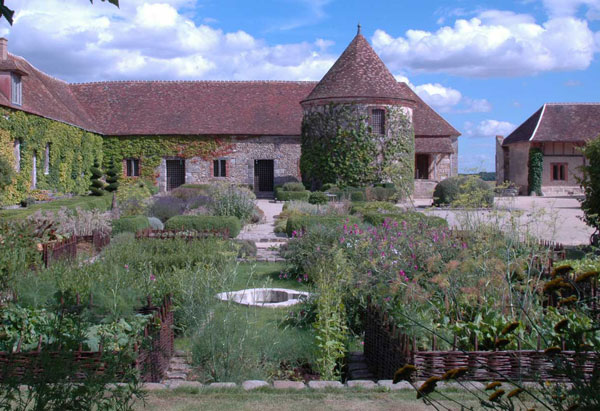
Monastery Garden enclosed using wattle fencing
Gardens were a mainstay of medieval life and were found everywhere. Most manors, abbeys, and great estates had utilitarian gardens, farm fields, and perhaps woods and even vineyards or orchards in addition to some sort of pleasure garden.
The yard around a peasant's hut, called a close, was usually a small farm, even in the cramped space of a village. It was enclosed with a hedge, if possible. It did not have a pleasure garden, but it provided some outdoor space for children, and it was the wandering zone for chickens and pigs. A peasant's close grew beans or peas, besides other herbs and vegetables, and many tried to have a fruit or nut tree.
Gardening was particularly important for medicinal purposes. Monks and healers alike used plants and herbs for different medical remedies. These plants represented the source for many drugs used during the medieval period. Harvested by herbalists, apothecaries as well as the common man, the plants were used to relieve all manners of medical problems. Many were later found to have little or no medical value while others such as Foxglove and Belladonna have ingredients that are still used today.
Monastery gardens were mainly functional and included kitchen gardens, infirmary gardens, cemetery orchards (the cemetery was also used for growing fruit trees), cloister garths and vineyards. Vegetable and herb gardens helped provide both alimentary and medicinal crops, which could be used to feed or treat the sick. Gardens were laid out in rectangular plots, with narrow paths between them to facilitate collection of yields. Often these beds were surrounded with wattle fencing to prevent animals from entry.
Monasteries might also have had a "green court," a plot of grass and trees where horses could graze, as well as a cellarer's garden or private gardens for obedientiaries, monks who held specific posts within the monastery called obedientiary gardens. A cellarer’s garden is for growing vegetables, culinary herbs and other utilitarian plants (eg Covent Garden in London, which later became a vegetable market). Many monastic gardens also included a fish pond where they would farm their own fish and eels.
Monks of this time typically would use astronomy and the stars to determine religious holidays for every year. They also used astronomy to help in figuring the best time of year to plant their gardens as well as the best time to harvest.
Aristocratic or monastic gardens were more specialized. The ideal gardens pictured in manuscript paintings were generally square and are laid out in an orderly way. They are enclosed with a hedge or thick fence. Useful herbs are grown in one half, and aromatic herbs and flowers in another, with a section of lawn. The section of lawn has seats and shade trees and perhaps a vine arbor. By the 14th and 15th centuries, formal gardens at castles and manor houses were elaborate and luxurious. Many had reflecting pools or artificial fountains at the center, and paths led walkers around the flowers and trees. Seats or even tables stood near the pool or fountain so people could carry their books or needlework outside.
Grapes, roses and rosemary in particular were grown over trellises; gilliflowers (carnations, pinks) were trellised in their pots to keep them from falling over. Other kinds of vines were also grown that way. Lattices with climbing plants and trellises with climbing plants were used as garden walls, often starting from the back of a turfed bed or seat, and also for arches and pergolas.
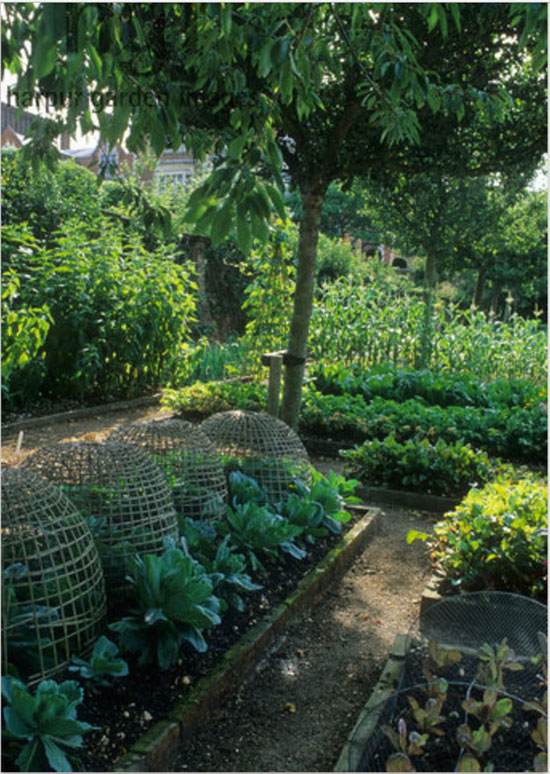
Medieval Potage Garden
Gillyflowers in pots appear to have been especially popular in that period, both indoors and out. Potted plants and trees are depicted placed on top of grassy beds in gardens and entryways-- these may have been tender perennials or fruit trees. Potting plants was used to extend the season, as well. Thomas Hill points out that you can start your cucumbers early if you plant them out in pots, leaving them out all day in warm weather and moving them into a warm shed at night.
Tender perennials and Mediterranean trees such as the orange, bay and pomegranate were sometimes planted in movable pots. In Northern Europe during the Renaissance, plants were raised in tubs and brought into a shed, sometimes a heated shed, in the winter. Le Menagier says to bring violets inside in pots for the winter.
Vineyards were less prevalent and less successful in Northern Europe than Southern Europe but grape vine plantings were useful for the production of verjuice and perhaps grapes for eating even when wine quality was not achieved.
There are two techniques used in forestry that are worth mentioning here: pollarding and coppicing. Both were/are used to get the maximum growth of branches and wood out of farmed trees, so they wouldn't have been used much in gardens, except possibly in hedging. Coppiced trees, such as beeches, were cut down at ground level or a little above, and the stumps allowed to sprout suckers. After the suckers had grown to medium sized branches-- or the right size for fences, wattle, poles, etc-- they were harvested. Pollarding is the same process, but done much higher off the ground, beyond nibbling reach for deer, cattle, etc.
Concerning the structure of the gardens, they often were enclosed with fences, walls or hedges in order to protect them. Stone and brick walls were typically used by the wealthy, such as manors and monasteries. However, wattle fences were used by all classes and were the most common type of fence. They were made using local saplings and woven together. They were easily accessible and durable, and could even be used to make beds. Bushes were also used as fencing, as they provided both food and protection to the garden. Gardens were typically arranged to allow for visitors, and were constructed with pathways for easy access. However, it was not uncommon for the gardens to outgrow the monastery walls, and many times the gardens extended outside of the monastery and would eventually include vineyards as well.
An irrigation and water source was imperative to keeping the garden alive. The most complicated irrigation system used canals dug into the earth. This required that the water source be placed at the highest part of the garden so gravity could aid in the distribution of the water. This was more commonly used with raised bed gardens, as the channels could run in the pathways next to the beds. Kitchen garden ponds also were used come the 14th and 15th centuries, and were meant to offer ornamental value as well. Manure was placed in the ponds to provide fertilization and water was taken straight from the pond to water the plants.
Types of Gardens
Kitchen Garden (Wortgeard or "vegetable garden or yard")
The plants grown here would have been used as food, to make medicines, and prepare household products. There is no absolute list of plants grown in this type of garden. The type of plants would have depended on where the garden was located and the lifestyle of the owners. Gardens in rural areas could supplement what was grown with plants collected from the surrounding woods and fields. Urban gardens may have had a larger garden with a broader plant selection or could have purchased what they did not grow from farmers, herbalists or plant gatherers.
In the kitchen gardens, fennel, cabbage, onion, garlic, leeks, radishes, and parnips might be grown, as well as peas, lentils and beans if space allowed for them. Some medieval vegetables would have been planted in gardens while other were considered field crops. Some of the latter include peas, lentils, fava or horse beans, and turnip. Besides edible roots, leaves from many of these plants were also used as pottage greens in soups or stews.
Pottage plants were found both in the kitchen garden and in the wild. Some of these plants included Agrimony, Betony, Borage, Chives, Dandelion and Violets. Other plants were cabbages, etc., black mustard, other brassica spp., bean, lentil (possible), pea, flax, chervil, coriander, alxanders, fennel, dill, celery, parsley, carrot (could be wild), borage, vervain, hyssop, marjoram, pennyroyal (possible), mint, mace (imported), pot marigold, garlic, leek, onion, rivet wheat, bread wheat, whit, rye, barley, common oat, bristle oat, cereal bran.
A medieval plot would contain shrubby herbs such as sweet bay (Laurus nobilis), sweet myrtle (Myrtus communis), rosemary, sage, thyme and winter savory. Physic or medicinal plants were paramount.
Physic or Informary Garden
Infirmary gardens could contain savory, costmary, fenugreek, rosemary, peppermint, rue, iris, sage, bergamot, mint, lovage, fennel and cumin, amongst other herbs.
Other Plants Found in Gardens
Dyes
Without any source of commercial dyes it was necessary for medieval persons to find plants from which they could extract dyes for cloth, food, inks and paints. Some of the colors extracted were blue from Woad, red from the Madder plant and yellow from Saffron. Cloth that was dyed was often wool and later linen. Food coloration was an important way to liven up meals and provide variety.
Aromas
Scents were also important be they pleasing or objectionable. Pleasing scents helped to mask odors created from lack of personal hygiene and close proximity of human and animal waste. Objectionable scents were used to drive out vermin and snakes and to protect clothes from fleas and moths, among other things.
Distillation
Distilling herbs is a way to remove the volatile oils. The resulting liquid could then be used in medicines or for household purposes. The household uses included fragrant bath waters, oils for massage, hair rinses and perfumes. Most of the distilling was done by placing the herbs in water and then heating them over a flame or in hot sand. Distilling could also be accomplished by mixing the herbs with alcohol to draw out the oils and then staining them through a fine cloth.
Herber
An herber was a herb garden and pleasure garden. An herber often contained ornamental flowers. The most common medieval name for these small, formal gardens was herber. They were like outdoor rooms. One popular feature was to grow wines over an arbor that formed a tunnel or wall. Roses also grew in arbors. An arbor provided shade and broke up the garden into smaller spaces. Some of these spaces were devoted to particular types of flowers or herbs, while others were set aside for lawn games like bowling. A medieval herber used its small area to provide a maximum sense of privacy and space. Paths of gravel, sand, paving stone, or brick led from area to another and created visual design. Sometimes paths were edged with low walls or flowering plants.
Pleasure Garden
While there isn't a clear delineation between gardens for pleasure and utilitarian gardens, orchards, etc. it's clear that some parts of some gardens were intended primarily to be a delight to the senses, and others for their end products. The kitchen or utilitarian garden, in contrast with the pleasure garden, contained food and medicinal plants as well as plants for strewing on floors, making hand waters, quelling insects and other household purposes.
Turfed seats were a major feature of 'gardens of pleasure'. Marble or stone seats also appear. One illustration shows a portable wooden bench. The turfed seats, also called excedra, were generally built along the lines of slightly higher raised beds, the outer wals constructed with wood planks, bricks or wattles, though some illustrations show the benches with sod sides as well. Often the turfed seats were arranged around the inner borders of an enclosed 'herber', providing seats as well as anchorage for the trellised plants.
Tables also appear, as in one illustration of the Garden of Paradise, where the Virgin has at her elbow a marble table containing a glass of something to drink and some snacks. Dining al fresco was a popular summer activity, and there are many illustrations of couples and groups eating, drinking, and/or playing games at tables and benches set up in the garden.
Areas of trimmed green grass were highly prized; thick green turf was considered very restful and beautiful. Flower gardens became symbolic of the aristocratic ladies who owned or walked in them.
The Orchard (Ortgeard or "fruit garden")
Orchards in medieval times were valuable property worth protecting from free-roaming cows, pigs and other animals. They were often protected by thick hedges, fences, wall or even moats. On occasion orchards could serve a dual purpose as part of a pleasure ground or perhaps as a cemetery as evidenced by the ideal plan for the St. Gall monastery. The orchard would contain different varieties of fruits including apple, pear, cherry, and medlar. It would not be unusual to fine bee hives in or near the orchard and garden as the bees would help to pollinate the flowers. The harvest from the orchard would yield food but also cider (apples) and perry, an alcoholic drink made from pears. Verjuice, a vinegar-like liquid, could also be made from cider and used in cooking. Orchards were prized for their blossom in the spring, shade in the summer and the fruit at the end of the year.
In England, as in Italy, mulberry, medlar, quince, chestnut and walnut augmented the basic apple, pear and cherry trees. Other fruit and nut trees were plum, fig (imported dried in the north), almond.
A fuller list of fruits and nuts that were grown, some in garden areas other than the orchard: black mulberry, fig (likely imported dried in the north), walnut, hazelnut, bilberry, gooseberry, bramble, raspberry, dewberry, strawberry, rose hips, peach, almond, sloe, bullace/damson, primitive plum, wild cherry, sour/morello cherry, pear, quince, apple, rowan, whitebeam, wild service, service tree, medlar, hawthorn, grape, citrus, olive, stone pine, monks rhubarb.
Cloister Garth
Technically, a cloister is a covered arcade around a courtyard. But is was much more than that to the monks of a medieval monastery. An essential part of every monastery's design, the cloister joined the main buildings of the monastery and acted as a conduit of transportation. We know that monks often had assigned seats in the cloister, and made use of the natural light of the arcades to study and copy books. The garth garden was an especially important and symbolic area of the cloister. The cross-walk symbolized Christ's crucifix, and divided the garth into four sections representative either of the four gospels, the four evangelists, and so on. The central water source, either a fountain or a well, symbolized paradise. This space of luscious natural beauty invited thought concerning the order of the natural world as designed by God himself. The cloister garth garden would have assumed an enormous importance for those who rarely left the monastery. In addition to being a place of contemplation, the cloister was an area of mundane daily activities: we have record of medieval monks washing their clothes in the fountains and hanging them on the cloister arcades.
Formal or Contemplation Garden
For people in the medieval period a formal garden, such as this, was not just a place to display beautiful or rare plants. The garden also served as a place to go to contemplate the spiritual aspects of life and to escape from the more worldly and mundane features of their existence. In fact the garden became, in literature if not in fact, paradisus terrestris, or paradise on earth with the Garden of Eden serving as a model. The garden was to be isolated from the outside world and was to include all sorts of features that would make it a place of spirituality and contemplation. The plants in the garden were also important in further reinforcing this link with Christian beliefs, personages and events. The color white in flowers stood for the Virgin Mary and purity, red represented the Blood of the Martyrs, grapes for everlasting life, flowers with five petals the five wounds of Christ, and fruit trees stood for the tree of knowledge. These symbolic representations were copied into literature and art and are some of the best examples of elements of medieval gardens that we have today.
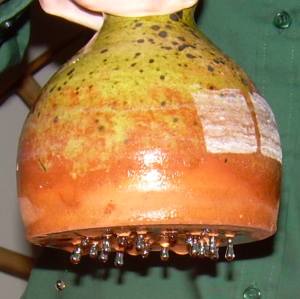
Earthenware pots with sprinkling holes in the base were used from late medieval times till the 1700s, indoors and outdoors. The idea is simple. A pot with a thumb-size hole in the top is plunged into water. It fills up through the holes in the bottom. Put your thumb over the top and the water won't spray out, for the same reason you can't pour liquid out of a tiny hole in a can with no room for air to get in. Carry it to where you want it, remove your thumb and sprinkle the water.
Plants
In pots:
Basil, rosemary (supposedly reintroduced to England by Queen Phillipa), marjoram, gilliflowers, others.
Herbs:
Mints and fennel (Roman de Rose), hyssop, balm, sweet marjoram (introduced in the 14th c to England), parsley and sage, 'other herbs'.
Charles Estienne in his Agriculture et Maison Rustique recommends the cultivation of many rows of scented herbs, 'both for the reserve of your scented garden, for your hedges, and for your winter stews;' for example, sage and hyssop, thyme, lavender, rosemary, marjoram, costmary, basil, balm, 'and one bed of camomile to make seats and labyrinths, which they call Daedalus.'
Walafrid Strabo lists: Sage, Rue, Southernwood, Wormwood, Horehound, Fennel, Iris, Lovage, Chervil, Lily, Poppy, Clary, Mint, Pennyroyal, Celery, Betony, Agrimony, Tansy, Catmint, Rose, as well as Gourds, Mellons, and Radish.
Vegetables:
Coleworts (cabbage, kale), leafbeet, pasnips turnips, and skirrets, sometimes beans and peas (grown mostly as fielc crops), garlic, chives, bulb onion, green leaved onion, watermelons, fennel, leeks, parsley, Salad plants such as borage and langdebeef.
Thomas Hills' The Gardener's Labyrinth lists (for a kitchen or physic garden):
Colewort, Beete, Arage [Orach], Sperage [Asparagus], Spinage [Spinach], Sorrell, Pimpernell, Lovage, Buglosse, Marigolde, Parsely, Tyme, Mints and Holihoke [Hollyhock], Mallows, Artochoke, Endive, Succory, Lettuce, Purselane, Chervils, Smallage [Wild Celery], Targon, Cresses, Bucks horne, Strawberry, Mustard seed, Leeks and Cives [Chives], Onion, Garlike, Scallion, Squill Onion, Saffron, Navews, Rape, Turnips, Radish (long and round), Parsnips, Carrets, Poppie, Cucumber, Gourd, Pompons, Mellons, musk Mellons, Blessed Thistle, Angelica, Velerian, Bitony, Lovage, Elecampane.
Crisp says that Capitulare lists Lilies, Roses, Fenugreek, Costmary, Sage, Rue, Southernwood, Cucumber, Melon, Bottle Gourd, Bean, Cummin, Rosemary, Caraway, Chick pea, Squill, Orris, Tarragon, Anise, Bitter apple, Chicory, Herb William, Laser-wort, Lettuce, Fennel flower, White pepper?, Garden Cress, Butter bur, Pennyroyal, Alexanders, Parsley, Celery, Lovage, Savin, Dill, Fennel, Endive, Dittany, Mustard, Summer Savory, Water Mint, Horse Mint, Tansy, Catmint, Feverfew, Poppy, Beetroot, Asarabacca, Marsh Mallow, Mallow, Carrot, Parsnip, Orache, Blite, Kohlrabi?, Cabbage, Onion, Leek, Radish, Garlic, Madder, Cardoon, Bean, Field or Grey Pea, Coriander, Chervil, Wild caper, Clary, and Houseleek, as well as trees of apples, pears, plums, service tree, medlars, chestnuts, peaches, quince, hazel, almond, mulberry, bay, stone pine, fig, walnut, cherries.
Some common vegetables:
Leek (Allium porrum)
Onion (Allium cepa)
Garlic (Allium sativum)
Shallots (Allium cepa)
Carrots (Daucus carota)
Parsnips (Pastinaca sativa)
Chives (Allium schoenoprasum)
Kale (Brassica oleracea)
White/headed cabbage (Brassica oleracea)
Heart cabbage (Brassica oleracea)
Roman cabbage (Brassica oleracea)
Cauliflower/cole wort (Brassica oleracea)
Plain coles/rape (Brassica napus)
Turnip/neeps (Brassica rapa)
White beet (Beta vulgaris)
Radish (Raphanus sativus)
Fennel (Foeniculum vulgare)
White pea (Pisum sativum)
Green pea (Pisum sativum)
Beans (Faba vulgaris)
Vines:
Grapes, roses, jasmine, ivy. Hill suggests mellons or cucumbers in addition to vines (grapevine) for covering pergolas, and rosemary, red roses, briony, cucumber, gourd, jasmine, 'set to grow upright' -- that is up poles, I think. He also mentions the musk rose, the damask rose, and the privet tree.
Flowers:
Roses, White madonna lilies, violets, florentine irises and sweet flags, borage, daisies, lavender, calendula, poppy, etc. Neckham also lists mandrake, daffodils, chicory, calendula (pot marygold), mugwort, feverfew, houseleek, stickadove. (Fifteenth century and later, says Hobhouse, you would see pinks, clove carnations, stoechas lavender [aka stickadove], and heartsease). Hobhouse says that myrtle in a northern context meant bog myrtle, in the south apparently it would be the aromatic (Greek?) myrtle.
The Unicorn Tapestries include campion, bistot, orchis, lords & ladies, violas, sweetrocket, carnations, white lilies, holy thistle, leopard's bane, stock and lady's mantle. (Hobhouse)
The flowerbeds of the gardens of the Hotel de Pol in the 1370s included 'roses, rosemary, lavender, wallflowers, marjoram, and sage as well as strawberries', when it was refurbished in 1398, 'grape vines. . . pear and apple trees, cherries and plums as well as eight "green bay trees"' as well as roses, lily bulbs, and flag irises. (Hobhouse)
Shrubs & Hedges:
Germander, Box, Roses, Lavender, Rosemary, Privet and others.
Crescenzi's gardens of the middle size should be 'surrounded by ditches and hedges of thorns or roses. . . . in warm places make a hedge of pomegranates and in cold places of nuts or plums and quinces'. Hill gives directions for creating a quickset hedge using seeds of Briers (Eglantine roses), brambles, the white Thorne, Gooseberry and Barberry trees, mixed with vetch-meal and smeared into old untwisted rope, thus making a sort of 16th century seed-tape. For short hedges/edgings inside the garden Parkinson suggests thrift, germander, hyssop, marjoram, savory, thyme, lavender cotton, juniper, yew, and box; for larger hedges Hill and Parkison suggest privet, sweetbriar, white thorn, roses; also lavender, rosemary, sage, southernwood, lavender cotton, or Cornell (cherry trees).
The visitor to Hampton Court (1599) describes it: "The hedges and surrounds were of hawthorn, bush firs, ivy, roses, juniper, holly, English or common elm, box and other shrubs, very gay and attractive."
Thomas Hill also gives instructions for making a sort of 'seed tape' for hedges, by slightly unplaiting an old rope, and mixing shrub seeds with tar and spreading it into the rope. Mixed hedges where shrubs of quicker growth were mingled with slower growing ones in order to provide a succession growth, were often recommended.
Trees:
Orchard trees that give fruit (apples, pears, plums); tender perennials such as bay, orange, pomegranate in the south and later in period, olives and date palms in the south. Nut trees such as chestnut and almond. Pine and Cypress. Of non-fruiting trees, linden or lime trees were popular in northern Europe; William Stephen in 1180 mentions elms, oaks, ash, and willow "along watercourses and to make shady walks" (says Hobhouse); the Roman de la Rose also mentions fir, and oriental plane trees.
Crescenzi says:
"Trees are to be planted in their rows, pears, apples, and palms, and in warm places, lemons. Again mulberries, cherries, plums, and such noble trees as figs, nuts, almonds, quinces, and such-like, each according to their kinds, but spaced twenty feet apart more or less."
He also suggests box, broom, cypress, dogwood, laburnum, rosemary, eonymous or spindle and tamarisk.
Albertus Magnus recommended:
"every sweet smelling herb such as rue, and sage and basil, and likewise all sorts of flowers, as the violet, the columbine, lily, rose, iris and the like. . . sweet trees, with perfumed flowers and agreeable shade, like grapevines, pears, apples, pomegranates, sweet bay trees, cypresses and such like."
He also suggested a lawn, a bench of flowering turf, seats in the center of the garden, and a fountain.
Tools:
Clarkson has some good material on tools, including scythes, and very modern looking rakes, trowels, and shovels. Robin Roe (Raisya Khorivovna) has the following notes on tools for the Carolingian garden:
"There was very little evidence of the tools available, but I've found that the Romans had forks, a primitive spade, sickles, a variety of hoes, a dibber and an odd tool called a falx. The falx was the main tool for pruning, particularly in viniculture, throughout the medieval period. Most of the tools show up in Roman tombs along the Rhine, and any of them may have been in use in the Carolingian garden."
