Mexican Soups
from jmarquez1976, "Understanding Mexican Cuisine" at http://www.bigsoccer.com/forum/showthread.php?t=291205
Soup is Mexico, Mexico is Soup. Foreigners are always shocked to learn that Mexico, with its temperate to hot climates, is crazy for Soup. But, the reality is that it is the single most important course in a proper meal, whether at home, in a humble Fonda, or the most elegant restaurant.....we either have a light soup as a starter, or a heart soup as a main course.....but they rarely fail.
No one makes Soups better than Mexicans. It seems that everytime I am in a restaurant in Mexico, I overhear an excited foreigner saying something like "...this is best chicken soup I have ever had..." There are hundreds, if not thousands, of different soups in Mexico....but typically there a couple of dozens that are commonly consumed on a regular basis.
In Spanish, "caldo" refers to a light broth or stock, while "sopa" generally means a thicker, more substantial soup with larger pieces of ingredients like vegetables, meat, or noodles; essentially, "caldo" is considered a base for other dishes while "sopa" is a full meal soup on its own.
Chicken is the most commonly consumed animal in Mexico so you will commonly find it in soups. The chicken is inexpensive, flavorful....and a decent replacement for the Turkey which was Ancient Mexico's most commonly consumed animal.
Everday Vegetable Soup
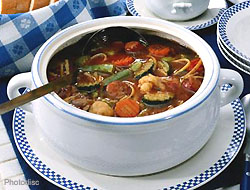 Traditional Mexican dining is composed of a hearty breakfast (Alumuerzo), the big meal of the day (Comida) is eaten around 2 P.M., and a light supper (Cena) 8 to 10 P.M.
The Comida is commonly started wtih a Vegetable Soup, the most common of which are Seasonal Vegetables in Tomato-based broth. Variations include smoky Dried Chile based broths, and herby green soups flavored with pureed herbs such as Cilantro or Flat Leaf Parsley.
Light, High Protein Soups
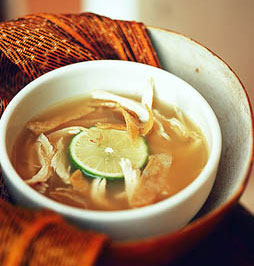 It as also very common in Mexico to have vegetable based main courses....in this case, people will typically serve a light, high protein soup as the first course....such as the ubiquitous "Lime Soup" so common in the Yucatan. In this case, the base of the broth is a citrus fruit that is unique to the Yucatan, whose zest is fragant & not bitter like regular limes, supported by a foundation of garlic & onion.
Legume Based Soups
Legume based soups also provide protein to a largely vegetarian meal. The most common in Contemporary Mexico are the pureed Black Bean soups, but those that are close to their roots prefer the Bean soups, that are only partially pureed, and which also contain wilted greens or cactus.
In addition to the Bean Soups...there also dozens of soups that incorporate legumes brought from Europe....such as Fava Beans, Lentils & Garbanzos. Fava Beans are typically pureed with Cumin & Herbs...then served with poached cactus and chopped cilantro. Lentils are typically served in Adobo Broths (think non sweet, spicy barbecue sauce). Garbanzos are typically simmered in a dried chile broth resembling the one used in Pozole.
Regional specialties include Chilled Pureed Avocado Soups, Cheese Soups, Vermicelli & Vegetables, Green Plaintain Soups and many others.
Hearty Soups
When we don't have the money or time to prepare the elaborate multi-course meals, of our daily rituals, we have Caldos, hearty soups that combine meats and vegetables in Mexico's supremely flavored broths for a filling & healthy one course meal.
Caldos are brothy soups that are packed with rustic chunks of meats & vegetables. These Caldos, come in dozens of variations that span the gamut of Mexican flavors, but are typicallly made with Chicken, Beef, Shrimp or Fish and vegetables such as Corn on the Cob, Mexican Zucchini, Chayote Squash, Carrots, Potato, Tomatoes, Green Beans and recent incorporations such as Cauliflower & Broccoli. Mexican Rice, which is not commonly consumed in Mexico, makes its appearance as the ideal side to a Caldo.
Another common hearty soup, Pozole is typically made with Chicken or Pork (dark meat). The flavorful broth incorporates the flavor of the fresh meat, with a dried chile & oregano puree...and hominy (corn that is dried then boiled to reconstitute). The ideal Pozole is prepared without too much hominy...so that it is quite brothy....then it is topped with chilled cabbage, lettuce, radishes, dried oregano & a couple of squeezes of lime.
Pozoles also come in dozens of varieties, including Pozole Verde.
Soupa de Tortilla (Sopa Azteca)
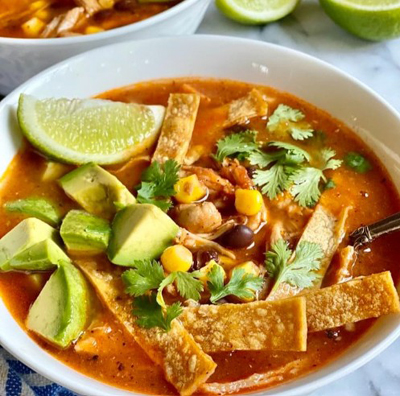
Usually served as an appetizer in Mexico, this tortilla soup was consistently made with the same main ingredients — crispy corn tortilla strips, a piping-hot garlicky tomato-chile caldo (broth), fresh avocado, and a combination of sour cream, fresh cilantro, lime wedges and/or fried chile strips sprinkled on top. Some restaurants also included chicken or soft diced cheese in the soup, while others kept it vegetarian (or vegan). Some kept their soup fairly mild, while others poured on the heat. Some served the soup pre-assembled, while others served bowls full of tortilla strips with a side of DIY toppings and then ladled in the steaming hot caldo table-side. But every single bowl of sopa azteca was downright delicious.
The magic of this soup, of course, is all in that delicious, rich, soul-warming caldo. Turns out, it’s surprisingly easy to make in just 20-ish minutes with a blend of tomatoes, onion, garlic, oregano, chicken or veggie stock and dried pasilla (or ancho) chiles. And yes — the dried chiles are essential here! Traditional sopa azteca is made with fresh Roma tomatoes. But if you’re in a hurry or ripe tomatoes are not in season, you can sub in canned tomatoes instead.
Feel free to also add some cooked chicken (shredded or diced) to your bowl to make chicken tortilla soup. In various regions of Mexico, sopa azteca is also often made with beans puréed into the broth as well. So to make sopa azteca de frijol, simply add canned pinto or black beans to the blender with the other broth ingredients and purée until smooth. The picture of the soup to the left has corn and black beans added to the soup.
Traditional Tortilla Soup (Sopa de Tortilla)
*Tortilla Soup w/ Fire-Roasted Corn & Chipotle Crema
Tomato Tortilla Soup
Albondigas Soup (Meatball soup)
Caldo de Pollo
Caldo de Pollo, or Mexican Chicken Soup, is a light and flavorful soup made with homemade chicken broth, juicy shredded chicken thighs, and fresh vegetables including cabbage, carrots, and zucchini. This is one of the most commonly made Mexican soups, and every family has different vegetable additions.
Caldo de Res (Mexican Beef & Vegetable Soup)
Sonoran-Style Potato, Cheese, and Tomato Soup
Caldo de queso is a classic Sonoran soup made with potatoes in a tomato broth with cubes of queso fresco. As the queso warms, it keeps its shape, but breaks down slightly, imbuing the soup with richness.
Sopa de Fideo - traditionally served at lunch time
"Fideo" is a Spanish word that translates to "noodles" in English. It refers to a type of pasta that's short, thin, and golden in color. Fideo is similar to vermicelli. Sope de Fideo is a Mexican soup made with lightly toasted thin pasta noodles in a delicious and comforting tomato broth. Sopa de fideo is of the simplest Mexican soup recipes to make, but it's a total crowd-pleaser, especially for kids. In The Mexican Home Kitchen by Mely Martinez, she suggests roasting the tomatoes for deeper flavor. This simple soup is traditionally served at lunch time, but it's delicious at any time of day.
Sopa de Lima Yucateca
Albondigas Soup (Meatball soup)
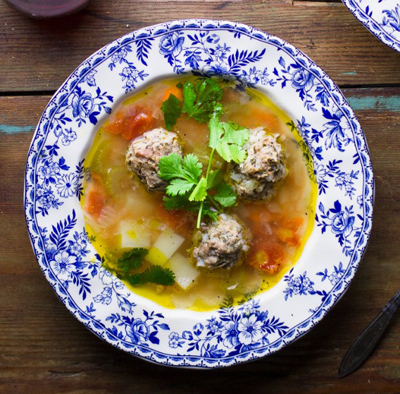
Albondigas soup (“meatballs soup” in Spanish) is wonderfully fragrant and very filling soup—which makes it perfect for colder times of the year. The meatballs are made up of a unique mixture of ground beef, fresh herbs, minced garlic, and, most importantly, a little bit of uncooked white rice. Add some broth and veggies and you’re well on your way to crafting a satisfying meal. Traditional vegetables in albondigas soup include carrots, potatoes, celery, chayote, squash, and green beans.
The broth is made by sauteing some onions and blending them with roasted tomatoes and garlic. Add them to a trustworthy stock along with seasoning and you've got a super foundation for an authentic dish.
Pozole
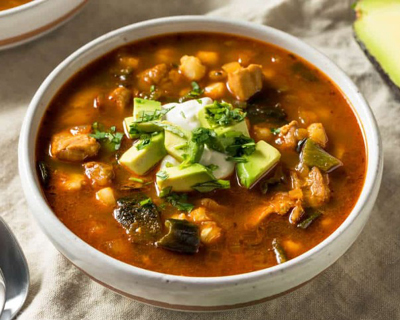
Pozole is made from hominy with meat (typically chicken or pork), and can be seasoned and garnished with shredded lettuce or cabbage, chili peppers, onion, garlic, radishes, avocado, salsa or limes. Known in Mesoamerica since the pre-Columbian era, the stew is common across Mexico and neighboring countries, served both as a day-to-day meal and as a festive dish.
Pozole can be prepared in many ways, but all variations include a base of cooked hominy in broth. The broth is most commonly made with chicken or pork, but vegetarian preparations exist. When the broth is meat-based, pieces of the meat used to make the broth are usually served in the final dish; vegetarian versions substitute beans for the meat.
The three main types of pozole are blanco (white), verde (green), and rojo (red). Pozole blanco—"white pozole"—is the preparation without any additional green or red sauce. Pozole verde—"green pozole"—adds a rich salsa verde based on green ingredients, possibly including tomatillos, epazote, cilantro, green chiles (typically jalapeños or serranos), or pepitas. Pozole rojo—"red pozole"—is similar, but using a salsa roja made from one or more dried or smoked red chiles, such as guajillo, piquin, or ancho, and usually tomato.
Pozole is commonly served accompanied by a wide variety of toppings, particularly raw vegetables. Common toppings include chopped onion, shredded cabbage, sliced radish, avocado, limes, oregano, tostadas, chicharrón, and chiles.
Pozole (Pork & hominy soup)
Mexican Chicken Pozole Verde (tomatillos)
Pozole Rojo (Pork & dried red chilis)
Chicken-Chile Soup (hominy & fresh poblanos, White Pozole?)
Mexican Bean Soups
Sopa Tarasca (Pinto Bean Soup)
Caldo de Frijoles Negros
Sopa de Lentejas
This easy lentil soup is delicious as is, but it also serves as a great foundation for many regional variations and additions, including chorizo, bacon, fried plantains, or even hard boiled eggs.
Fish & Seafood Soups
Caldo de Camarón (shrimp)
This Mexican shrimp soup brings together the great flavors of shrimp, chayote squash, and carrots in a broth made with chilis and stewed tomatoes. The spicy chili-based soup uses both fresh and dried shrimp with different chili flavors from guajillo, and cascabel chilis and then added with tender vegetables. Its comforting goodness is perfected by garnishing it with chopped avocado and a squeeze of lime juice.
Caldo de Siete Mares
Seafood adds great flavor to a Mexican soup. Caldo de Siete Mares boasts seafood apart from the typical meat and vegetable ingredients of other traditional Mexican soups. The seafood packs quite the punch; therefore, the broth must remain as light as can be. The fresh seafood ingredient for this soup makes this popular in the coastal regions of Mexico. It is mostly made with tasty shrimp and is most popularly served for brunch. Other types of seafood like a baby octopus, prawns, and squid, can be added.
Caldo de Oso (catfish)
This hearty fish soup is traditionally made with catfish, but as Pati Jinich suggests in Treasures of the Mexican Table, any white fish will do.
