Hard Shell vs Soft Shell Lobster
Lobster shell types vary seasonally due to molting:
- Hard shells (Nov-June) are meatier, firmer, and more expensive;
-
Soft shells (July-Oct) have sweeter, more tender meat but less yield per pound, ideal for lobster rolls;
-
while Firmer shells represent the transition period in fall (Oct-Nov) or spring (May), offering a balance of meat and flavor before or after peak molting, with late spring often best for plump hard shells and late summer/early fall for sweet soft shells.
Real hard shell lobsters are identified both by their extremely hard shell and by the blacking that occurs on the under side of a claw. One test is to squeeze the claw and see if the soft tissue at the knuckles expands.
Hard shell and soft shell lobsters are eaten the same way and are both delicious. There are some slight differences.
Hard Shell vs Soft Shell
Yield: Since they haven’t shed yet this year, hard shell lobsters have reached capacity in their shells and are packed very full with tasty meat. Hard shells, yes they are harder to get into than a soft shell BUT with no room for water inside the shell this creates less of a mess while breaking and eating!
Soft shells have recently traded their old cramped shell for a new one with growing room. That room fills with water, making the yield slightly less per pound. Try ordering a 1/2 pound bigger!
Taste: Hard shells are delicious. Some people prefer these guys for their firm, dense texture.
Lots of locals prefer a soft shell lobster. Soft shells mean, the lobster has recently shed their old cramped shell for a new one with growing room. This allows extra water in their shells while they cook which locals say seems to marinate them a bit, making them a little more tender.
Price: Full to the brim with meat, hard shells cost more per pound than their softer counterparts.
Since the yield is a bit less, the cost is less per pound for soft shells. With there being less meat in a soft or "new" shell lobster, the cost is less per pound for soft shells to compensate for the extra water weight. The lower price more than compensates for the extra water weight, especially since we take the time to pick the “hardest” of our soft shells to serve you. They are also cheaper because lobsters shed in the summer time while they are in shallower and warmer waters. They congregate in smaller areas and are breeding and more prolific. Between weather, ease of access, and numbers they are easier to catch increasing supply which decreases the price.
Ease of Cracking: Hard shells can be very tough to get into, but no water in the shells means less mess!
Soft shells have a new, thinner shell that is much easier to remove from your dinner. The extra water inside DOES make them a bit messier, but getting them open should be a breeze!
Shipping: Hard Shell survive much better in transit while shipping because they retain sea water longer and can withstand a temperature change. This is the primary reason we send hard shell lobsters to fulfill our of our live lobster orders. For example, if the internal temperature of a shipment rise to 42 degrees Fahrenheit, a soft shell lobster may not survive where a hard shell will most likely survive.
For locals, soft shell lobster is the way to go since they will survive a short distance of travel and consumers will avoid the mess of a hard shell lobster.
Firm Shell Lobsters
Firm shell lobsters travel just as well as hard shell lobsters do, guaranteeing your delivery arrives safely. Firm shell lobsters have that perfect in between meat; meaning it is just as sweet as the meat inside of a soft shell lobster but has the tenderness of a hard shell lobster. When you crack open the claw you won't be disappointed with a tiny piece of meat! A firm shell lobster lives longer outside of the ocean than a soft shell lobster does making shipment easier.
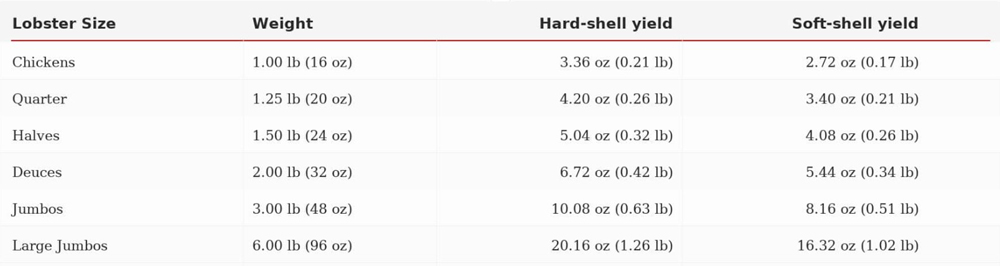
Hard vs Soft Shell Yield
