How to Prune Honeysuckle Vine
Although pruning honeysuckle isn't strictly necessary every year, it's a simple way to keep it in shape for the space it's in, and remove any unsightly, damaged areas. Plus, doing so will encourage healthy new shoots and blooms for the following season.
Deadheading or removing spent flowers is not necessary. Removing the flowers will not encourage more growth, and the blooms turn into berries that provide additional seasonal interest, so most gardeners choose to let the flowers naturally fall away. Honeysuckle maintenance is easy, and learning how and when to cut the plant back will help the plant thrive.
Correct honeysuckle pruning always begins with the removal of the three D’s: dead, damaged, and diseased stems. This avoids vital energy being lost and helps to maintain a healthier plant. Next, correct stems that are growing in the wrong direction and those that rub against each other. Cut a stem all the way back to a point where it joins another stem, or shorten the stems by cutting just beyond a leaf node.
Once gardeners have resolved these problems they can shape the plant by removing stray stems that wander away from the support. You should also thin out the top of the plant to let sunlight and air inside. Good air circulation is essential to prevent diseases like powdery mildew.
When to Prune Honeysuckle
Damaged or dead branches can be removed from a Honeysuckle shrub at any time.
Early-flowering honeysuckles (the ones that generally bloom from around mid to late spring onwards) produce flowers on side shoots on the previous season's growth. The best time for pruning honeysuckle of this type is straight after they've bloomed, in late summer.
To do so, simply cut the flowered shoots back by a third, to make the display tidier next year. You can also cut off any dead or diseased wood back to healthy growth to improve the condition and overall look of the plant. However, leave dead flower heads if possible, as these will turn into berries.
Late-flowering varieties of honeysuckle usually bloom from mid-summer to mid-fall. They flower on the current season's growth, so it's best to prune them in spring. They only require the lightest of trims – if you go in too hard this will reduce the number of flowers you get later in the year. All you need to do is tidy up the overall shape of these climbing plants and thin out congested areas and weaker, damaged, or wayward stems, leaving a strong framework.
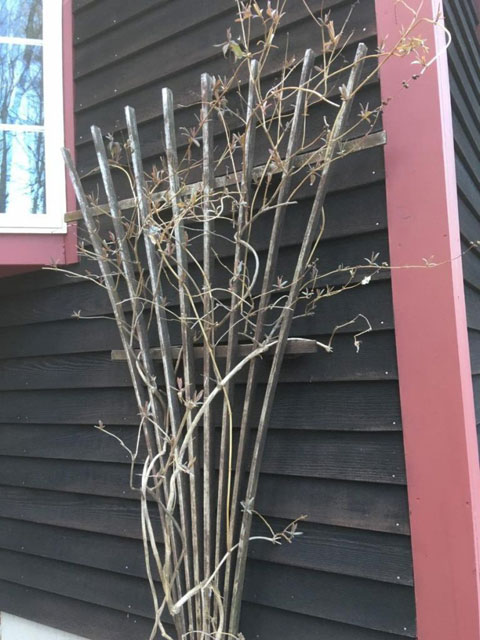
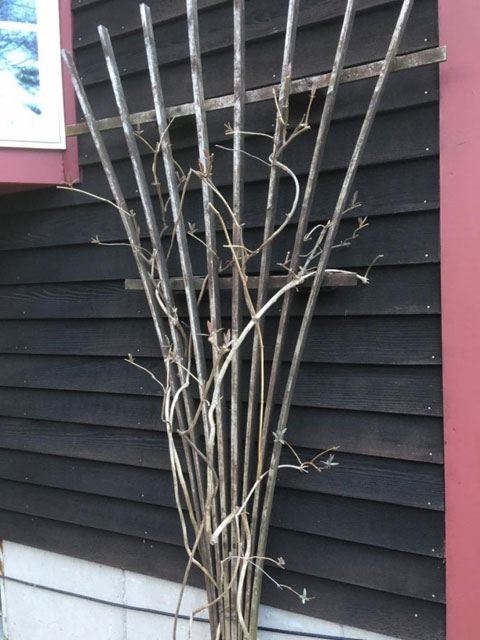
Overgrown plants can be cut back in late winter or very early spring before new growth appears. Cutting the plant back will help it come back more full and lush. Trimming overgrown Honeysuckle during the late winter or early spring allows plenty of time for the plant to regroup and push out growth in time for the spring bloom. If pruned back severely, the plants may miss a year's flowering but will bloom as normal after that.
Neglecting to prune honeysuckle, particularly when overgrown, can prove to be a big issue. The expert said: “When a honeysuckle vine is overgrown, the branches become a tangled mess, making it impossible to prune selectively.
How to Prune Honeysuckle
Step 1 - Inspect the plant for damage
Broken or dead branches can be removed to keep the plant healthy. Cut back before the damage or until all of the dead growth is removed.
Step 2 - Maintain the shape of the plant
Trim back branches that grow beyond the general form or give the shrub an unbalanced, lopsided look.
Step 3 - Give the plant a hard prune
Overgrown plants can be cut back in late winter or early spring before new growth starts. Trim crossed branches or straggly growth to maintain the general shape of the plant. Branches should be trimmed just after a growth point to encourage more branching.