Homemade Vanilla Extract
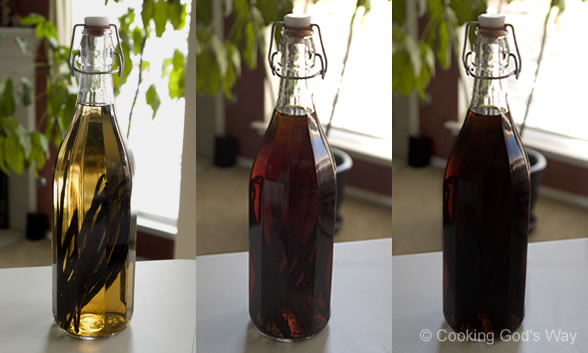
Madagascar vanilla is prized for its bold, rich, and classic vanilla flavor, which is largely attributed to its high vanillin content the key compound responsible for vanilla’s signature aroma and taste. This makes it the go-to choice for many bakers, chefs, and food manufacturers seeking a reliable and intense vanilla flavor and is suggested for those who are new to making extract. Its creamy, sweet, and slightly woody notes lend themselves well to a wide range of culinary applications, from baked goods and ice creams to sauces and beverages. It is the vanilla bean usually used for making vanilla extract.
Good alcohol options for vanilla bean infusions include vodka (for a neutral flavor), rum (for sweetness and warmth), and bourbon (for a smoky, caramel flavor). These alcohols allow the vanilla bean's flavor to shine through, creating a delicious extract.
While any 70 proof alcohol can be used to make vanilla extract, many say that the best alcohol to use is either vodka or a white rum. Both of these spirits have a neutral flavor that will not overpower the vanilla, and they will extract the flavor from the vanilla beans effectively. Once you understand the process more, you want want to experiment with a bourbon, dark or spiced rum, etc. See below for a review of different alcohols from VanillaPure.
From Sally's Baking Addiction
Most store-bought vanilla extracts are what’s known as single-fold. Single-fold vanillas are weaker and to make your own, you need about 6 vanilla beans per 8 ounces of alcohol. I prefer a stronger vanilla so the homemade flavor is more prominent in desserts. Strong vanilla is known as double-fold and it’s pretty pricey because it requires a lot of vanilla beans. Since double-fold can get expensive, I opt for about 8 vanilla beans (about .75 to 1 ounce) per 8 fluid ounces of alcohol. This is the best balance of taste and price. You can continuously add more alcohol to the bottle as you use it.
[FDA: The ratio of vanilla to alcohol is 1 ounce of vanilla pods to 10 ounces (by volume) of your alcohol. This means that if you have 1 oz. of vanilla pods, it’s going to make 1 1/4 cups (10 fluid ounces) of extract. This is the ratio set by the FDA (the agency that regulates food in the United States) for a single-fold extract. If you want to make double-fold, use twice as much vanilla. In metric units, that’s 28g vanilla beans to 300mL alcohol.
https://www.vanillabeankings.com/: They use 1 oz. premium vanilla beans, such as Madagascar Bourbon Vanilla Beans, (about 8 - 10 beans) and 1 cup alcohol (70 proof vodka, rum, bourbon or brandy). Slit the beans and cut into smaller pieces. Cover with the alcohol and shake once or twice a week. Keep out of direct sunlight and at room temperature. Remove the beans when done or leave in.
Dark spirits take more time. If you used bourbon, whiskey, dark rum, brandy, cognac, tequila or even some light rums, the strength of the spirit is great and often requires more extracting time. Some people will let their bourbon vanilla extracts sit for up to 2 years to really make sure that the sweetness of the vanilla bean comes through.]
For best results, let the vanilla beans infuse the vodka for at least 12 months.
.75 to 1 ounce vanilla beans (about 8 beans or 20g total)
1 cup (8 ounces; 240ml) 80 proof vodka (or bourbon, brandy, or even rum)
8 ounce bottle or jar with a tight seal
Using a sharp knife, slit the vanilla beans so the beans are exposed. No need to completely split the bean in half, just slit down the middle. If the length of the vanilla beans don’t fit into your bottle or jar, cut the vanilla beans into smaller pieces. Place beans into bottle or jar.
[You can make your extract without slitting the beans if you want so the seeds don't get mixed in (although they could be strained out). This way you can use your whole beans later to scrap the seed out of. Just snip the end off and squeeze the seeds out.
Pour vodka on top. A funnel helps. Use a little extra vodka, if needed, so the beans are fully submerged. Shake a few times. Store vanilla at room temperature out of direct sunlight. Shake about once per week or once every couple weeks. You can use it in 6 months, but 12+ months is even better.
Test to See If It Is Ready
- Color: It should have a dark yet still a see-through color.
- Smell: When you first smell it, you should smell the vanilla first, then the alcohol.
- Put finger in it, it should taste like vanilla. You can also place a small amount, like 5 drops, into a shot glass with a little milk and a pinch of sugar or in a dollap of whipped cream, unflavored. Let it sit 3 - 5 minutes. Swirl it around and taste.
- If pleased with it, pour the alcohol, now vanilla extract, through a strainer. Pour the extract back into the bottle. No need to remove the vanilla seeds or wash the bottle.
- The beans that were removed have about 50% of their strength left and can be dried out for other use, or left in the jar (see below).
As you begin to use your vanilla, you can refill with a little vodka each time. Give it a shake after you refill and give it a shake before each use, too. If you’re gifting the vanilla or if you don’t have any more alcohol to refill, remove the beans completely after first use. The beans will become a little slimy if they aren’t almost fully submerged.
Unused aged vanilla extract (with the beans fully submerged) will last several years. If it still smells good, it’s still good to use! Aged extract without the beans will last indefinitely. Once you begin using the vanilla and adding more alcohol after each use, the beans will eventually need to be replaced. It’s hard to give a specific amount of time as some may use (and refill) the vanilla more quickly than others. After about 1 year of frequent use and refilling, you will you find the vanilla flavor less intense. Simply remove old beans, add fresh beans, shake, and continue to use/refill.
From http://www.epicurious.com/ (using scrapped pods to make vanilla extract)
Stop Throwing Your Vanilla Beans Away. Those scraped out, spent pods have a whole lot more loving to give.
While it's easy to pick up a good quality bottle of vanilla extract at the grocery store, it's even easier to make it at home. Toss whatever leftover pods you have into a glass jar, fill it with vodka, seal it, and let it sit for at least a few months. You'll see the color of the alcohol slowly start to change to a rich shade of chocolate brown. The best part about DIY vanilla extract is that it's a gift that keeps giving. Continue to toss spent vanilla pods into the mixture whenever you have them and when the extract starts to get low, simply add more vodka. Just remember: the longer the extract sits, the stronger the flavor.
Types of Vanilla:
There are three main species of vanilla that are produced commercially. These include vanilla planifolia, vanilla tahitiensis, and vanilla pompona. Each species has unique characteristics.
- The planifolia species is grown throughout much of the world, from Hawaii to Mexico to Madagascar and is by far the most heavily produced. This species, also known as Bourbon vanilla, is the most common type, cultivated in Madagascar, Indonesia, and other tropical areas. It is known for its rich, creamy, and buttery flavor, often with hints of caramel. This variety also includes vanillas grown in India, Indonesia, Papua New Guinea, Mexico, Guatemala, and Uganda, but without the label “Bourbon”. This species is typically more round and plump compared to the other species. However, strong variations do exist.
- Vanilla tahitiensis, commonly referred to as “Tahitian Vanilla”, typically has a more floral, and fruity, aroma and flavor with notes of cherry, anise, and a sweet, delicate scent. and is cultivated in the South Pacific, particularly in Tahiti. Tahitian vanilla beans also contain less vanillin content (the active ingredient responsible for flavor) and are often used in perfumes. Tahitian vanilla beans also tend to be wide and flat.
- Vanilla pompona is less common, with a bold, classic vanilla base and notes of dried fruit like figs and raisins, and is sometimes described as having a hint of banana. It is found in the West Indies, Central and South America. The quality of its beans is nevertheless considered to be lower with a low vanillin content and a strong smell of coumarin. The fruits are shorter and more rounded than those of the reference case (Vanilla planifolia).
Each type of vanilla is named for the region in which it’s grown. Because of the different environmental conditions and methods of growing the orchids, each type of vanilla has a unique flavor profile.
Madagascar Bourbon Vanilla: Think of Madagascar vanilla as an all-purpose vanilla. It has a rich, creamy flavor that works well in most baked goods. When you conjure the smell and taste of vanilla, this is likely the flavor you imagine. It’s also the most commonly available vanilla, accounting for about two-thirds of the vanilla produced commercially. In the case of this vanilla, Bourbon refers to the region it’s grown, not the liquor.
Mexican Vanilla: Vanilla originated many, many years ago in the area that’s now Mexico. In fact, the vanilla orchids of that area (Vanilla planifolia) were taken to Madagascar to begin their production there. Mexican vanilla beans have a bold flavor with creamy, spicy undertones. They can also be described as strong and smokey, with hints of spice like cinnamon. They’re a good choice in recipes where vanilla is the primary flavor, but you can use it in most any recipe where you’d use Madagascar vanilla.
Tahitian Vanilla: Tahitian vanilla beans have a floral, fruity flavor and aroma. They have less vanillin, which is the primary compound in vanilla that is responsible for vanilla’s distinct flavor and aroma. Thevanilla here is more in the smell than the flavor. Keep in mind that this vanilla doesn’t always hold up well to heat, so it’s perhaps a better choice for cold and frozen treats. These beans come from a different type of orchid (Vanilla tahitensis) than Mexican and Madagascar vanilla beans. They are grown and produced in Tahiti but also in other areas like Papua New Guinea. Vanilla beans from Tahiti are also quite rare making up less than 1% (0.7 according to 2013 statistics) percent of vanilla consumption worldwide. These vanilla beans are not cheap and never will be.
Tahitian vanilla beans from Papua New Guinea: a great vanilla beans at a great price point. This vanilla bean is an all star for those who like Tahitian vanilla but do not have the money to splurge on vanilla from Tahiti.
Indonesian Vanilla: The flavor of Indonesian vanilla leans more toward woody and smokey with fruit and fig flavors. Sometimes, it is described as having a chocolate-like flavor. Unlike many vanillas, it tends to maintain its full flavor through the baking process.
Ugandan Vanilla: These vanilla beans are high in vanillin content, making a bold flavor and aroma that’s well-suited for rich desserts. Ugandan vanilla beans also have an aroma that’s much like milk chocolate, raisins, and figs. The vanilla beans are available at a good price often times lower priced than Madagascar vanilla.
Indian Vanilla: This type of vanilla has a full flavor with chocolate undertones.
Comoros vanilla beans: Another West Indian (flat-leaved) vanilla bean that is absolutely delectable in our opinion. Vanilla beans from Comoros are similar to vanilla from Madagascar with deeper and richer undertones. Long but generally more slender than Madagascar vanilla, these beans sell out quickly every season. This bourbon type of vanilla bean is well worth its price. Comoros vanilla beans make a wonderful vanilla extract that you cannot find on most store shelves. We highly recommend trying vanilla from Comoros. Comoros is a little higher than other vanilla beans, we believe it is well worth it and definitely worth having around the house.
Tips for Alcohol and Vanilla Combinations:
Vodka: Vodka is a classic choice for vanilla extract because it's flavorless, allowing the vanilla bean to be the star. It pairs well with Madagascar vanilla (creamy and sweet) and Mexican vanilla (warm and creamy).
Rum: Rum adds a layer of sweetness and warmth to the vanilla, creating a rich, dessert-like flavor. Consider Ugandan vanilla (chocolatey notes) or Tahitian vanilla (fruity and floral) with rum.
Bourbon: Bourbon's smoky, caramel notes complement earthy and spiced vanilla beans. Indonesian vanilla (spicy and earthy) or Tongan vanilla (bold and dark) are good matches.
Brandy: Brandy offers a fruity and elegant touch, complementing gourmet or floral vanilla beans. Ecuadorian vanilla (light and floral) or Costa Rican vanilla (fruity and gentle) pair well.
Whiskey: For a bold, spicy flavor, whiskey can be a great choice. Use strong vanilla beans like those from Comoros (peppery spice) or Papua New Guinea (deep and smoky).
- Get Madagascan or Mexican vanilla beans over Tahitian, as both generally have bolder flavor (higher vanillin content). I prefer Mexican vanilla, it’s usually cheaper than madagascan, with similar taste profile + added oaky notes. Downside is you need to find a quality seller, there’s less consistency than with the other two varieties. For Madagascan vanilla I like using bourbon to compliment the sweetness of the vanilla. For Mexican, which is a little warmer, I like using dark rum. Keep in mind the spirit needs to pair with the vanilla. Use 70 proof. 45abv/90 proof is a lot, that alcohol burn will likely carry over into your vanilla.
My Review of 15 Different Spirits Used to Make Vanilla Extract
by VanillaPure, https://www.reddit.com/r/Cooking/comments/gv85oc/my_review_of_15_different_spirits_used_to_make/
Below is a list of 15 specific brands of alcohol that we have tried and the different outcomes we have experienced. Vanilla Extract making is all about trial and error, and we have tried and failed a LOT in our experience and we're starting to get pretty good at getting it right.
First of all, if you are new to extract making, we recommend that you begin with multiple samples. Why? Because it takes at least 90 days to make extract and, after 90 days, you only have one extract to try. If there is something that you don't like about it, you will need to wait another 90 days to try another single version. So, start with 5 or 6 (or maybe more!) small, 2oz bottles. You can then try a few different beans and a few different spirits, so in 90 days you will have multiple results to compare all at once.
In short, if you are new to extract making, then your first job is to create an extract tasting experience 90 - 180 days after you begin. The more you taste at once, the more you will be able to determine what you like and for what application.
We will be looking at three different spirit categories below: 1) Rum, 2) Bourbon and, 3) Vodka. If you are interested in just one of these spirits, simply scroll down to find a summary of different brands used. We grade each spirit based on its vanilla taste after extraction and its ability to be used across multiple applications.
Remember: When selecting your spirit, "Pure Vanilla Extract" must always be made with 35% alcohol, so you need to buy 70 proof spirits (or greater than 70 proof) to maximize vanilla bean extraction.
Rum
Kirk & Sweeney 23-Year Rum: Vanilla Extract Grade: A+
This is obviously a top shelf rum. It's pure, clean, rich and sweet. It's stored in a sherry cask, and its production yields a taste that includes hints of caramelized sugar, honey and vanilla. We start with this rum, not because we recommend that you use it. For most extracts Kirk and Sweeney is cost-prohibitive. However, a good vanilla extract will only be as good as the spirit used for extraction. We couldn't believe the rich, deep, bold flavors that came out of this extract after six months of extraction. The spirit only enhanced the natural taste of the beans, which makes this one of the best extract experiences we have ever had. Is it worth it? In some cases such as vanilla flan, vanilla creams or cream pies, a bold extract really enhances the taste. We set the bar very hight with this delightful extract. It's clearly a top shelf, A+ experience.
Captain Morgan White Rum: Vanilla Extract Grade: A-
We like white rum for two reasons: 1) It is sugar-based which means you will get a sweeter extract, and 2) It is mostly tasteless, which means that after 3-6 months of extraction, you will primarily just taste the vanilla beans. This makes white rum a great kind of alcohol to use when experimenting with different beans. Try a white rum with a Tongan vanilla bean vs. a white rum with a Madagascar vanilla bean and you will smell and taste the dramatic difference between those beans almost immediately. As such, white rum's application are almost universal. A Mexican vanilla extract made in a white rum can be used in almost any dessert, making this our favorite choice. Captain Morgan white rum specifically is a little less strong and more subtle, which results in a creamy and smooth extract.
Bacardi Superior White Rum: Vanilla Extract Grade: B+
Given our affinity to white rums, we have tried multiple versions. Bacardi is sometimes a little more expensive than Captain Morgan and we typically find that more expensive spirits yield better results. We did not see much of a difference in this case. The finished vanilla was fantastic but not clearly better than the lesser expensive Captain Morgan, so we felt that an B+ grade was appropriate. We also noticed that Bacardi had a stronger rum taste after six months of extraction. Perhaps a slight kick, or burn from its bold default taste, whereas Captain Morgan was a little softer. So, any of you rum connoisseur's out there may appreciate the bold taste of a Bacardi over a Captain.
Captain Morgan Spiced Rum: Vanilla Extract Grade: B
Spiced rum will evoke memories of holiday egg nog or pumpkin spice cookies...and that is exactly what a spiced rum vanilla extract can be used for. Banana bread, zucchini bread, ginger bread, etc. are all great applications for for a spiced-rum extract. Everyone should have at least one bottle of spiced rum vanilla extract in their cabinet just for the holiday season because it accentuates the taste of those familiar holiday flavors. If it weren't for a the holiday-only niche, we would give this rum an A+.
Bacardi Gold Rum: Vanilla Extract Grade: B
Bacardi Gold is a very unique rum. We could almost place this in the bourbon section below. It has bold, smokey, charcoal tones that are reminiscent of a scotch or whiskey, but it's sugar-based so it still errs on the side of sweetness. As such, an extract made with Bacardi Gold needs to be used for "darker" applications. We used Indonesian vanilla beans because they are inherently dark, smokey and sweet. The result was a very rich and creamy extract that could be used in brownies, chocolate cakes and chocolate frostings. Perhaps even fudge or double-chocolate-chip cookies. This is certainly a unique extract and its taste deserves an A, but its applications are limited, so we gave it a B.
Captain Morgan Dark Rum: Vanilla Extract Grade: D+
Dark rum is powerful, rich and smokey. So powerful that after six months of extraction, it was hard to notice the vanilla. There were definitely vanilla undertones, but they weren't bold or pronounced enough to overcome the rum itself. That being said, this could make the perfect vanilla extract to add a little kick to caramels, toffees or dark creams, but that's a very specific niche. Still, it may be worth a try. If you have a great experience with dark rum, please let us know and we may change the grade. Given its limited application, we felt that a D+ was the best we could do.
Blue Chair Bay Coconut Rum: Vanilla Extract Grade: B-
Like cooking and baking new treats for the first time, vanilla extract making should also be fun! We couldn't help ourselves when we made our first ever vanilla extract using coconut rum. You know what? It was DELICIOUS! Something about the coconut and the vanilla that made the experiment and the outcome absolutely a delight. So why the B- grade? Because, outside of using it for coconut cream pies or pineapple up-side-down cakes, its applications were fairly limited. If you really love coconut and you really love vanilla, then you should absolutely give this a try!
Bourbon
Woodford Reserve Straight Bourbon Whiskey: Vanilla Extract Grade: A+
As we did with the rum, we are going to start at the top. A common theme that you will see at VanillaPura is quality. When developing a quality extract, you can't overlook the spirit any more than you can overlook the importance of the vanilla bean itself. We recommend bourbon, because it is regulated by the government and is pure and consistent, more than whiskey. (See the bottom of this article to understand why we believe that bourbon is better than whiskey when making extracts.) Woodford Reserve is one of the best bourbon's in America. It has dark and smokey undertones, and since it's 51% corn based, it's sweet. A bourbon extract made with an Indonesian or Mexican bean is the perfect dark chocolate, rich extract for darker desserts. We have had several customers use bourbon-based extracts in their BBQ sauces and protein glazes to add a hint of sweetness. This particular bourbon adds sweet, spicy floral notes to its rich flavor profile.
Maker's Mark Bourbon: Vanilla Extract Grade: A
For its price, Maker's Mark is a great bourbon to begin with. It's made with a soft, red winter wheat instead of rye, which softens the bold tones found so often in most bourbons. What that means to you as an extract maker? It means that the vanilla has room to shine through and present itself within the complicated overtones of the bourbon. Simply stated, it's a perfect mixture of smokey and sweet and allows for a pure, rich bourbon extract experience. We recommend this bourbon as a great starting point for new extract makers.
Four Roses Bourbon: Vanilla Extract Grade: D
This is one of those instances where price and final quality did not match up. Four Roses is a nice bourbon and a little more expensive than Maker's Mark. But something about its bold spice and honey tone made it a difficult marriage with vanilla beans. The final taste was too complicated and hard to find an application for. While it wasn't the worst bourbon extract that we ever tried, it certainly didn't meet its mark in our experiment.
Old Crow Bourbon: Vanilla Extract Grade: F
We went there. The bottom shelf. The cheapest bourbon that we could find. We purchased the bourbon, added beautiful, high-quality Indonesian vanilla beans...and we waited six months. We presented this extract to a team of chefs at a local culinary institute to see their reactions. Our goal was to determine if the quality of the spirit really did matter in extract making. Or, is it all about the bean and only about the bean? The result was immediately apparent. This was absolutely the worst extract that we ever made. It was horrible. Perhaps good as a fire starter at a BBQ, but certainly not something that could be used in food. Avoid the bottom shelf in vanilla extract making. Spirits matter.
Vodka
Grey Goose Vodka: Vanilla Extract Grade: A+
We hear that vodka is vodka and, since it is largely tasteless, who cares what vodka you use? Well, that is mostly correct. We have tasted many different extracts with many different types of vodka and they truly are quite similar. This makes vodka the perfect kind of spirit to begin with because it's hard to mess up your extract based on the kind of vodka you use. However, we did notice a clear difference in vodkas that have been distilled 5 times and those that have not. We also noticed a difference over time in the top-shelf vodkas vs. the bottom shelf. Grey Goose (a more expensive top-shelf vodka) became even more rich and creamy with time. The vanilla bean taste became much more pronounced making it one of the most fully-rounded vanilla extracts that we have ever made. If you're going for a bold vanilla taste and an aged vanilla extract that you allow to rest for more than a year, this is the vodka you should use. Made in France with a winter wheat blend that is truly unique.
Svedka Vodka: Vanilla Extract Grade: A
While this is not a top-shelf vodka, it will provide a wonderful final product that you will be proud of. Also a winter wheat vodka like Grey Goose, but it originates from Sweden. Svedka will provide a bold vanilla extract taste that becomes smooth and creamy with time. These extracts can be used with virtually any dessert or other food applications. The price is a little less than Grey Goose and the result is almost identical.
Smirnoff Vodkas: Vanilla Extract Grade: B+
We listed Smirnoff Vodkas as plural (vodkas) as opposed to the singular. Why? Because Smirnoff is the flavor leader of all vodkas. They have multiple vodka flavors, all of which can be used for vanilla bean extraction. The grade of these vodkas is B+ not because of taste. (The taste of a regular Smirnoff vodka vanilla extract is definitely an A) It's a B+ because there are specific flavor applications available through Smirnoff that will make extract making fun, but will limit your application. They have vanilla-infused vodka that will make your extracts an even more pronounced vanilla. They have fruit vodkas that can be used to extract your vanilla beans that will all result in fun (but limited) vanilla use. Smirnoff is the fun vodka. Give it a try, make something unique and tell us about it!
Van Gogh Chocolate Infused Vodka: Vanilla Extract Grade: ??
We were just introduced to this vodka. When you read the ingredient summary of most chocolate bars, you will almost always see the inclusion of vanilla. Chocolate is accentuated with the application of vanilla. They need each other and the result is a beautiful, pure and rich chocolate taste. Chocolate vodka vanilla extract is our latest experiment. We will report on the outcome as soon as we are finished!
Vanilla extract making is simple and fun. It's creative and allows the maker to express him/herself in a million different ways. The result is often a taste that the world has never seen before. With multiple vanilla beans (all with different flavor compounds) and thousands of spirits on the market, there are literally billions of vanilla extract combinations that the world hasn't yet seen.
My Notes:
Started: Tuesday, August 26, 2025
Madagascar vanilla beans, Grade A, 10 beans, about 1 oz. (weighed .9 ounce)
Ron Ricco rum Silver label 80 proof - 5 beans - .45 ounce, 1/2 cup rum - 4 oz
Smirnoff No 21 vodka (red label) 80 proof - 5 beans - .45 ounce, 1/2 cup vodka - 4 oz
