Fresh Chiles
Chiles are available fresh, dried, smoked and roasted. Over 100 varietals are available commercially, although most are grown in limited quantities. Chiles are fruits: like tomatoes and all fruits (except the strawberry), they carry their seeds on the inside. While Americans tend to think of chiles simply as hot, each has a specific fruit flavors: apricot, cocoa, nutty, plum raisin, sweet et al.
When cooking with chiles, it is important to pick the chile that fits the desired culinary effect. It may be necessary to blend several different chiles and test extensively. Chile influences change with each ingredient added to a recipe. Some moles use five different chiles!
Asian Chili Peppers
Tien Tsin Chili Peppers: 50,000 - 75,000 Scovilles. The Tien Tsin is named after the province in China where its harvest originally took place. This pepper has traditionally accompanied fare in its native Asia. It now grows widely beyond the Middle Kingdom and appears in cuisines around the world. The Tien Tsin pepper is very hot. It usually displays a bright red color and grows from 1 to 2 inches in length. You can still find these once-exotic peppers in much of general Hunan and Szechwan cooking, and especially in the popular dish Kung Pao chicken.
Bird’s Eye: 50,000-100,000 Scovilles. The tiny Bird’s Eye Chili originated in Cambodia, Vietnam, Thailand, The Philippines, and surrounding countries, but they can now be found all over the world.
Thai chili pepper: 50,000 - 100,000 Scovilles. Despite the common belief, there is no single "Thai chili pepper" though most candidates for the title are small in size and high in heat or pungency. There are at least 79 separate varieties of chili that have appeared from three species in Thailand. Oddly, the peppers now featuring in the sauce known around the world as Sriracha are red Serrano peppers! At least in agricultural terms, we specify that two types of chili peppers grow for harvest in Thailand: the prik khee nu or "bird pepper" and the prik khee fah or plain "chili pepper."
Scoville unit values:
- Mild: 0 to 5,000 SHUs
- Medium: 5,000 to 20,000 SHUs
- Hot: 20,000 to 70,000 SHUs
- Extreme: 70,000 to 30,000 SHUs
Mild Chiles |
Medium Chiles |
Hot Chiles |
Anaheim  |
Cherry  |
Cayenne  |
| Chilaca |
Cuaresmeno |
Habanero  |
| Hungarian Wax |
Fresno  |
Manzana |
| New Mexico |
Guero |
Rocoto |
| Pimiento (no heat) | Holland Chile |
Scotch Bonnet |
| Pablano |
Jalapeno |
Serrano |
| Rocotillo |
Mirasol |
Thai |
| Shishito |
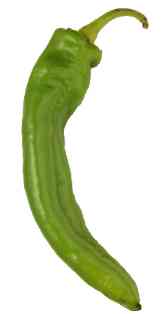
Anaheim (California green chile, chile verde, when mature and red - chile colorado)
Description:
The Anaheim chile, named because it was canned in Anaheim, California beginning in the early 1900s, was developed from the pasilla chile. These large, mild chiles are available in most large supermarkets,
and are popular for stuffing. They have a tough skin which
peels off easily if you first char them over a flame, then steam
them in a paper bag for several minutes. They're available year-round,
but they're best in the summer.
Heat Scale:
500-2500 Scoville Heat Units
Common Uses:
Mexican cooks like to dice or purée them, then add them
to sauces, soups, and casseroles. Roast, peel and use for salsa,
sauces (especially chile verde) or stuff with cheese, shrimp or
various spiced meat/vegetable mixtures, or freeze. Dried chiles
can be used for red chile sauces or ground into chile powder.
Substitutes:
New Mexico green chile (very close, but hotter)
OR poblano chili (This is especially good for stuffing. Poblanos
are sweeter and usually a bit hotter than Anaheims, and their
skin isn't as tough.) OR Big Jim (hotter) OR canned green chilies
(preferably fire-roasted)
Banana pepper
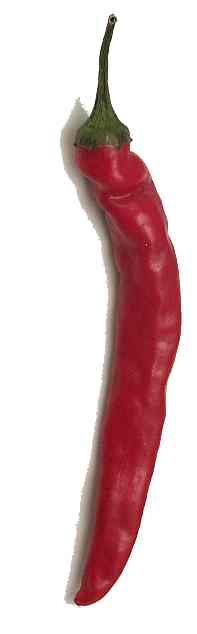
Description:
These are often used in Cajun recipes. Green cayennes appear in
the summer, while hotter red cayennes come out in the fall.
Heat Scale:
30,000-50,000 Scoville Heat Units
Common Uses:
Dried, and powdered, or crushed into flakes. Many Louisiana hot
sauces use cayennes.
Substitutes:
Chile de arbol OR Thai pepper OR habanero OR jalapeno OR serrano
OR cascabel OR pequin OR tepin OR Holland OR cherry pepper
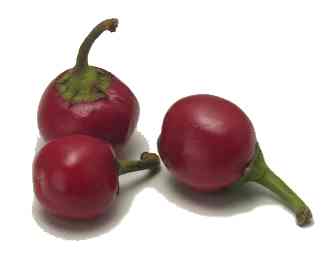
Description:
Along with pepperoncini, this is a good pickling pepper.
Heat Scale:
0 to 3500 Scoville Heat Units
Common Uses:
Substitutes: cayenne pepper OR pepperoncini
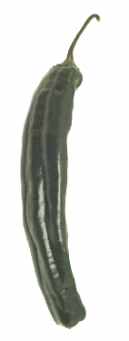
Description: Very dark green, ripens to a dark brown; called pasilla when dried and sometimes chile negro. Up to 8-10" long, thin walled, wrinkled skin. Also called chilaca when fresh.
Heat Scale:
1000-1500 Scoville Heat Units
Common Uses:
Dried pods used for mole sauces, fresh can be used in enchilada
and chile sauces.
Substitutes: poblano pepper
Description:
Heat Scale:
Substitutes: jalapeno pepper (very similar) OR serrano pepper
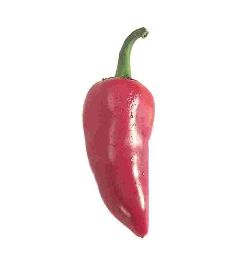
Description: Sweet, hot, small red chile. These are similar to jalapeno peppers, but with thinner walls. Green Fresnos are available in the summer. the hotter red ones come out in the fall. The Fresno variety originated in Fresno, CA, in 1952 by the Clarance Brown Seed Co. Andrews suggests it is a TMV resistant cross between serranos and one of the long green New Mexico type peppers.
Heat Scale:
6 on the heat scale
Medium hot, probably around 5,000-15,000 Scoville Heat Units
Common Uses:
Great in salsa, stuffings, and breads.
Substitutes:
Jalapeno pepper OR Serrano pepper
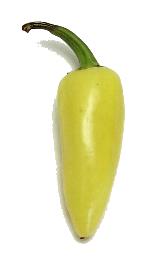
Guero (yellow hot chile, caribe, Sante Fe grande, caloro, goldspike)
Description:
Güero means 'blond' in Spanish; ie, the peppers are yellow when
mature. They have a nice, spicy smell to them.
Heat Index:
Common Uses:
Substitutes: Hungarian wax chile peppers OR Fresno pepper OR jalapeno pepper OR serrano pepper
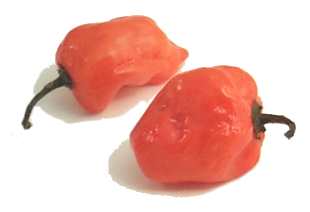
Description: These extremely hot chiles have a fruity flavor. They're best in the summertime.
Heat Scale:
Most habaneros run in the 150,000 Scoville Heat Units range
Common Uses:
Fresh in salsas; pickled or made into hot sauces, typically mixed
with onion and carrots.
Substitutes:
Scotch bonnet chiles (very close) OR manzana chile
OR fresh cayenne peppers OR jalapenos OR Serrano peppers (use
twice as many)
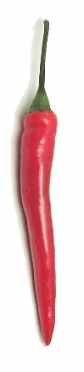
Description:
Heat Scale:
Common Uses:
Substitutes: fresh cayenne pepper OR Fresno chile
Description: yellow
Heat Scale:
Common Uses:
Substitutes: banana pepper (milder) OR guero
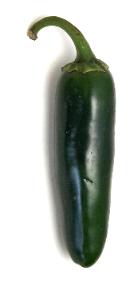
Description:
These popular chiles have a good amount of heat and rich flavor.
Green jalapenos are best in the late summer, while red jalapenos
appear in the fall. Canned jalapenos aren't as fiery as fresh.
Heat Scale:
2500-10,000 Scoville Heat Units
Common Uses:
Fresh in salsas; pickled. Can be frozen well, but don't dry well
since they are too thick. Ripe (red) jalapeños are smoked and
then called chipotles.
Substitutes: cuaresmeno (very similar) OR Fresno chile OR guero chile OR malagueta (hotter) OR serrano pepper OR yellow wax chile pepper OR fresh cayenne pepper
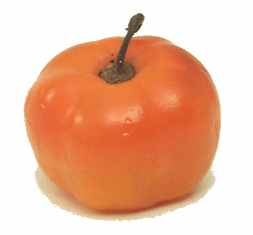
Description:
This habanero relative is often used in salsas. It has black seeds.
Heat Scale:
Common Uses: salsas
Substitutes: habanero pepper OR Scotch bonnet chile
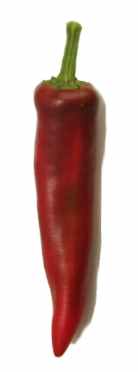
Description:
Mirasol peppers have a distinctive fruity flavor.
Heat Scale:
Common Uses:
Substitutes: hontaka chili OR serrano pepper
New Mexico green chile (red when mature)
Description:These large chiles are similar in size to Anaheims, but they're hotter. New Mexico green chiles peak in the late summer, while the hotter New Mexico red chiles appear in the fall.
Heat Scale:
Common Uses:
Substitutes:
Anaheim chile (milder) OR a combination of Anaheim chiles and
jalapenos.
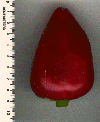
Description:
Pimiento grow on low spreading plants, and are similar to bell
peppers. Pods are dark green, and ripen to bright red. Thick,
semi-tapering pods.
Heat Scale:
0 Scoville Heat Units (no heat)
Common Uses:
Canned and used to stuff olives. Used fresh like bell peppers.
Can be pickled or dried and used for paprika.
Substitutes:
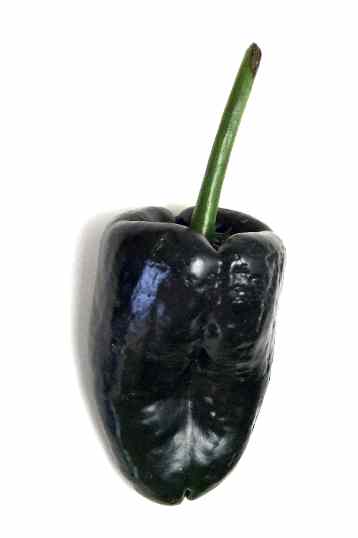
Description:
These mild, heart-shaped peppers are large and have very thick
walls, which make them great for stuffing. They're best in the
summer.
Heat Scale:
1000-1500 Scoville Heat Units
Common Uses:
Like poblanos, these are great for stuffing. Since they have a
tougher skin, you may want to char, steam, and peel them first.
Green: roast, peel and use for salsa, sauces (especially chile
verde) or stuff with cheese, shrimp or various spiced meat/vegetable
mixtures, or freeze. Red: dry in the sun; dried chiles can be
used for red chile sauces or ground into chile powder for use
in moles. The traditional mole has ancho, mulato and pasiila chiles.
Substitutes:
Anaheim OR bell pepper (for stuffing, milder) OR canned chile
peppers (preferably fire-roasted) OR Serrano pepper (hotter)
Description:
Heat Scale:
Common Uses:
Fresh in salsas; pickled or made into hot sauces, typically mixed
with onion and carrots.
Substitutes: another small, mild pepper
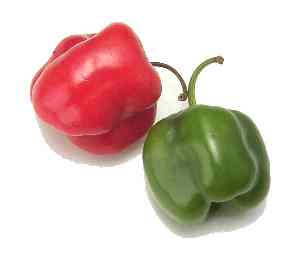
Description:
These hot chiles look like tiny bell peppers and have black seeds.
They have an interesting fruity flavor. This is the most common
chile found in the Andes. Pods mature to red, yellow, orange,
or brown. Fruit is very fleshy and seed core is quite separate
from the flesh, rather like a small, pungent, delicious bell pepper.
Some varieties seem much hotter than habaneros due to the unique
mix of capsaicins.
Heat Scale:
30,000-60,000 Scoville Heat Units
Common Uses:
Usually eaten fresh in salsas or stuffed and baked.
Substitutes: manzana chile (very similar) OR habanero (similar heat)
Description:
This chile is almost indistinguishable from the habanero, except
that it's a bit smaller. It's popular in the Caribbean.
Heat Scale:
Common Uses:
Substitutes: habañero chile OR Serrano chilies (use twice as many) OR jalapeno peppers (use twice as many)
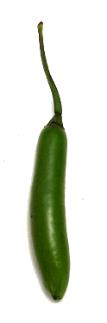
Description:
These have thin walls, so they don't need to be charred, steamed,
and peeled before using.
Heat Scale:
10,000-20,000 Scoville Heat Units
Common Uses:
Most often used fresh in salsas.
Substitutes: jalapeno (not as hot) OR Fresno chile (not as hot) or guero chile (not as hot)
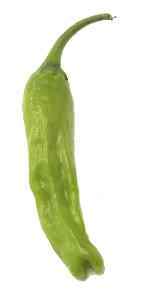
Description:
This Japanese chile is very sweet and mild. It's about two inches
long.
Heat Scale:
Common Uses:
Substitutes:
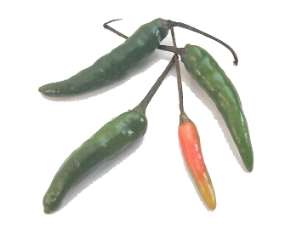
Description:
Heat Scale:
Common Uses:
Substitutes: chile de Arbol OR fresh cayenne pepper OR jalapeno peppers (not as hot) OR Serrano peppers (not as hot)
