How to Cook Pacific Cod and Alaskan Pollock Fish
from http://fishcooking.about.com/
Most people have eaten cod at some point in their lives, but up until recently, it was usually Atlantic cod. However, now only the Icelandic fishery remains in healthy condition for this type of fish. But because the demand for cod and its cousin the pollock fish continues to grow, the North Pacific fisheries have ramped up the production of similar species. Now nearly every fish stick, fast-food or breaded fish you will find in the U.S. is either Alaska pollock fish or Pacific cod.
Both fisheries are in excellent shape, so these fish are both economical and sustainable choices for seafood lovers. Pacific cod and Alaskan pollock are white, low-fat and mild fish. They typically come as skinless fillets and are commonly sold frozen. Both have a coarse flake when cooked and their bones make excellent stock.
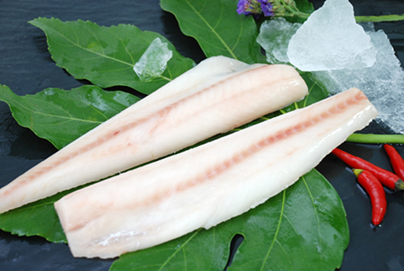
Pollock Fillets
Cooking Alaskan Pollock Fish
Pollock and Cod both boast white flaky meat, which can be prepared in a variety of ways. They do look similar, but there are are a few differences between the two. First, Pollock has a milder flavor than Cod. Second, the difference is in texture: Pacific cod is nearly identical to its Atlantic cousins, although they are slightly less firm. Pollock fish, on the other hand, is soft. Pollock can lose its shape a lot quicker if overcooked. Cod meat is a little firmer, but still flaky and tender when prepared correctly.
The pollock is a relative of the Atlantic cod but is usually smaller, averaging 4-12 pounds compared with the cod's average of 10- 22 pounds.
Alaskan pollock makes fine fish sticks and fish cakes, is good steamed and is passable as fish and chips. [I am not fond of deep-fried pollock. The flesh is too soft.] Don't broil it, because if you make the slightest miscalculation you could wind up with dry fillets.
Another way to eat Alaskan pollock is as surimi, or imitation crab. Many of you have probably eaten it in a California roll at mid-range sushi bars; often the "crab" in this crab-and-avocado roll is actually Alaskan pollock, processed into surimi. It is supposed to taste like snow or king crab; it doesn't, but is okay for what it is.
Do not put Alaskan pollock in a fish soup unless you intend to puree it -- the fish will practically dissolve.
Alaskan pollock is the most common type of Pollock in U.S. markets.
There are two types of Pollock:
1. Alaska pollock, also called Walleye pollock, is usually available in single or twice-frozen fillets either deep-skinned or with the fat layer intact; fresh pollock exists but isn’t common. Deep-skinning the fish results in whiter fillets, but the lower meat yield tends to mean paying a higher price for the fillets. This fish has a delicate, sweet flavor; compared to Atlantic pollock they are smaller, have whiter flesh, and less oil. Whole fish average 3lbs. pounds in size, and fish from the Gulf of Alaska tend to be the largest. About 40% of the walleye pollock in the U.S. market is from Russian fisheries, and mostly imported after being processed in China. The supply of walleye pollock is large, stable, and available year-round. According to some buyers, the highest quality walleye pollock is from factories that freeze the fish at sea right after it’s caught.
2. Atlantic pollock is a member of the cod family but distinguished from cod by its greenish hue, paler belly, and brownish green back. Atlantic pollock are larger, slightly darker flesh, and have higher oil content than Alaskan pollock, which is actually a different species. Atlantic pollock is low in saturated fat and is an excellent source of protein, vitamin B12, phosphorus, and selenium. The flesh is firm and white, and has a sweet, delicate flavor. It is sold whole, in fillets, and steaks that are fresh, frozen, or smoked.
Cooking Pacific Cod Fish
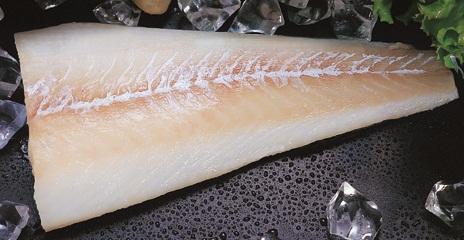
Pacific cod, on the other hand, is an excellent substitute for any recipe that calls for Atlantic cod. It is what you will get in most restaurants these days when you order cod.
The average Pacific Cod is 2 to 3 times larger than its cousin the Pollock.
Pacific cod is excellent baked, fried (especially batter-fried), sauteed and steamed. Pacific cod is also excellent in fish soups or chowders.
How to Buy and Store
Both fish freeze very well, and since both are from far-off waters, I would advise you to always buy it frozen, unless you can be assured that the fish has never been frozen before.
