Ancient Grains
Also see https://wholegrainscouncil.org/whole-grains-101/whole-grains-z
Man first cultivated grain roughly 10,000 years ago, letting him diversify his Quest for Fire diet of animal parts, seeds and berries. Now those selfsame "ancient grains" are staging a comeback. Ancient grains like farro, freekah and kamut are early strains of wheat. Chia, quinoa and amaranth are technically seeds, but they're generally called "grains" and are popping up in everything from pizza to pasta to cookies to chips. The flavor of ancient grains is often described as richer and more complex than that of modern wheat with nutty or earthy undertones. This makes them highly attractive for artisan baking, whole grain dishes, and specialty food products.
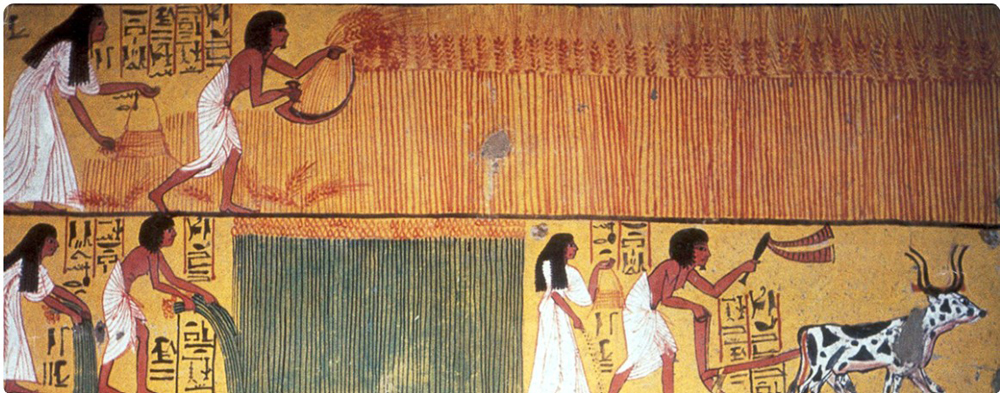
Einkorn, one of the earliest domesticated wheat species, was grown in the Fertile Crescent over 10,000 years ago and likely represents
one of the first steps in the agricultural revolution. Emmer followed closely and became a staple in ancient Egypt and Mesopotamia.
This illustration of a scene on the wall of a tomb in ancient Egypt is courtesy of Alamy/Science History Images.
The ancient grains — confusingly — are not all grains. Grains are technically grasses. By that standard, Kamut, spelt and wheat are all grains, but quinoa and amaranth are not. Still, the common term "grain" has stuck for all of them. "Grains" such as quinoa, amaranth, spelt and Kamut are called "ancient" because they've been around, unchanged, for millennia. By contrast, corn, rice and modern varieties of wheat (such as hard white wheat and hard red spring wheat) have been bred selectively over thousands of years to look and taste much different from their distant ancestors. Modern corn, for example, bears little resemblance to wild corn from long ago.
As part of the agricultural revolution, modern grains underwent substantive hybridization with the intent of increasing production, increasing profitability and ultimately reducing the cost to the consumer. These older grains faded in popularity as their hybrid modern cousins produced higher yields and thus, higher profits.
History of Einkorn, the Ancient Grain
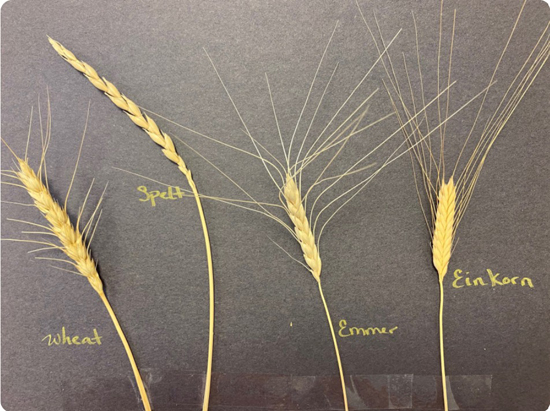
Einkorn is an ancient grain, and is known as the oldest variety of "wheat." Einkorn is also sometimes referred to as "farro" or "farro einkorn." Einkorn was first cultivated 5,000 to 10,000 years ago. It is classified as a "diploid" because it only has two sets of chromosomes. Modern wheat varieties are classified as "hexaploid," having six sets of chromosomes, due to a long history of hybridization. Einkorn is thought to have originated in the upper area of the fertile crescent of the Near East (Tigris-Euphrates regions), and is quite probably the main grain recorded in the earliest biblical history. Einkorn became widely distributed throughout the Near East, Transcaucasia, the Mediterranean region, southwestern Europe, and the Balkans, and was one of the first cereals cultivated for food.
Emmer, another ancient, has four sets of chromosomes and was probably an early hybrid of wild einkorn that was more suitable for a wider range of climates and geographical areas, particularly warmer climates. Emmer became the predominant wheat throughout the Near and Far East, Europe and northern Africa until about 4,000-1,000 BCE, although it was still cultivated in isolated regions such as south-central Russia into the last century, and even today remains an important crop in Ethiopia and a minor crop in Italy and India.
Spelt: The oldest hexaploid grain and the predecessor to modern wheat is probably spelt. Spelt was a hybrid of emmer with more adaptability then emmer. These three ancient grains are known as "the covered wheats," since the kernels do not thresh free of their hard coverings, making them more labor intensive to mill.
These ancient grains went through a long history of hybridizations to make them easier to mill and process into our modern day wheat, and to make them more desirable for bread making with a higher gluten content. But due to gluten toxicity issues in modern times, many are reviving the ancient varieties of grains, and einkorn is the oldest.
Health bonus: Studies show that compared to modern wheat these grains are higher in protein, phosphorus, potassium, and beta-carotene, among other nutrients.
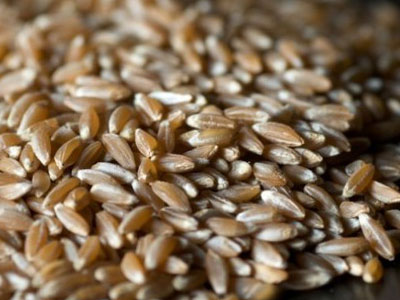
Farro (Emmer)
See also Farro page
Farro, also referred to as emmer, is a wheat grain that was one of the first domesticated crops in the Fertile Crescent thousands of years ago. It was used in Egyptian bread making and served as the standard daily ration of the Roman legions. Farro was found buried in the tombs of Egyptian royalty.
But over the centuries, emmer was gradually abandoned in favor of durum wheat, which is easier to hull. By the beginning of the 20th century, higher-yielding wheat strains had replaced emmer almost everywhere, except in Ethiopia, where emmer still constitutes about 7% of the wheat grown.
Farro is an ancient, nutrient-rich whole grain widely used in Mediterranean and Middle Eastern cooking. It comes from specific species of wheat and is prized for its hearty, chewy texture and rich, nutty flavor. Farro is highly versatile and serves as a great, fiber-packed alternative to rice or quinoa in salads, soups, and risottos.
In English, farro is most commonly known as emmer. The term farro is actually Italian and is used as an umbrella term for three ancient varieties of hulled wheat:
- Einkorn (Farro piccolo): The smallest and oldest variety.
- Emmer (Farro medio): The most common variety sold in supermarkets.
- Spelt (Farro grande): The largest of the three.
In Italy – and increasingly throughout the world – emmer is known as farro and is staging a comeback as a gourmet specialty. Semolina flour made from emmer is still used today for special soups and other dishes in Tuscany and Umbria, and farro is thought by some aficionados to make the best pasta.
Farro, which is chewy and nutty-tasting, is commonly used in Italy as a whole grain in soup, pasta, risotto (called farrotto), and salad dishes. It can also be used to make bread and baked goods.
Look for "whole farro" on labels; if it's "pearled," it's not a whole grain because the bran has been removed. Soak whole farro overnight. After soaking, it should get tender within 45 minutes on the stove at medium-low heat. Semi-Pearled Farro: Has some of the bran removed, which drastically reduces cooking time and requires no soaking.
Cooking farro is very similar to cooking pasta or rice. You can boil it in a pot of water or vegetable broth until it reaches your desired tenderness (about 20-30 minutes for semi-pearled, and up to 40 minutes for whole grain). Once cooked, it can be eaten plain with a drizzle of olive oil, mixed with roasted vegetables, or used in classic preparations like Farro Risotto or Mediterranean Farro Salad.
Farro is high in fiber (5 g per serving) and protein (6 g per serving) and provides 20 percent of your daily needs for niacin and 15 percent of your daily needs for magnesium and zinc.
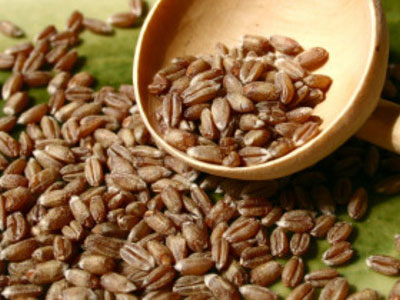
Spelt
This ancient cereal grain was first grown in Iran around 6000 B.C. Spelt is an ancient grain that was commonly eaten in medieval times. Spelt resembles wheat, but has a tougher husk. While it's part of the wheat family, people with wheat intolerances are often able to eat spelt.
You can find spelt at natural food stores in two forms: whole kernels, or "berries," and ground flour. Spelt flour is often used in breads, muffins, pancakes and cookies — you may even see it in the packaged baked-goods section at your health food store. You can replace some or all of the flour in a bread or muffin recipe with spelt. It will give the food a sweet, nutty flavor and an extra dose of protein and vitamins.
As for spelt berries, try them in any recipe that calls for cooked grains (rice, quinoa or wheat berries), like side dishes, salads and hearty soups. Spelt can be used as an oatmeal alternative.
A single serving of spelt is high is in fiber (5 g) and protein (6 g), and provides 14 percent of the daily recommended value of magnesium and zinc, and 25 percent of iron.
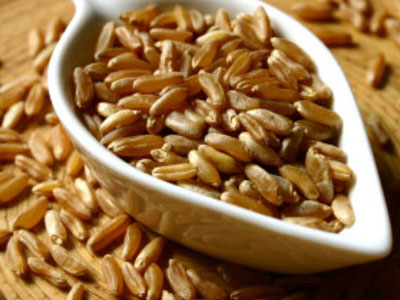
Kamut
Khorasan wheat (Kamut is the registered brand name) is a form of grain grown in many cultures and is believed to have first been grown in Egypt or Asia. The high-protein grain gets its name from the ancient Egyptian word for "wheat.
Similar to dried beans, kamut needs to soak for several hours before cooking. Once cooked, use it to replace rice in side dishes or use kamut powder for baking. It's used commercially in pastas and crackers, but you can also use the deliciously nutty grain whole in salads, soups or pilafs.
Kamut is two to three times the size of common wheat and has 20-40 percent more protein and 65 percent more amino acids. Kamut is also high in essential fatty acids, which can help lower bad LDL-cholesterol and raise good HDL-cholesterol. It's a particularly good source for thiamin, niacin, folate, riboflavin, vitamin B6, vitamin E, phosphorus, magnesium, zinc, and complex carbohydrates.
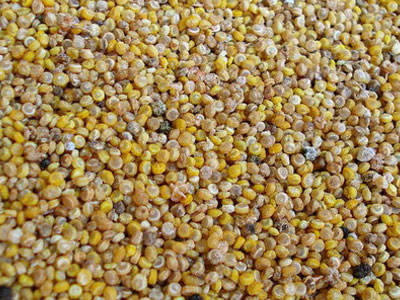
Quinoa
Found in the Andes Mountains of Bolivia, Chile, and Peru, quinoa means "mother grain" in Inca.
A versatile, delicious grain, quinoa can easily substitute for rice and couscous in recipes, such as pilafs, or serve it with fresh veggies. There are over 120 varieties, in many different colors. Pale yellow quinoa is most common, though red quinoa contains significantly more phenols and has higher antioxidant activity. Quinoa cooks up fluffy with a nutty flavor.
Because the seeds are naturally coated with bitter compounds (saponins, which defend against insects), they must be washed before cooking. Even if the package says the seeds were washed, it’s a good idea to rinse them to remove any remaining bitterness. Kañiwa (kah-nyeewah), quinoa’s smaller and lesser-known red cousin, doesn’t need to be rinsed before cooking because it doesn’t have the bitter compounds.
Quinoa is a complete protein, meaning it has all nine essential amino acids, which have been shown to boost immunity, improve muscle quality, and regulate hormone production. It's also a great source of high-quality protein (8 g per serving), fiber, and riboflavin, thiamin, and niacin, which help your body metabolize energy. Quinoa provides 20 percent of the iron and phosphorus that you require every day, along with 9 percent of potassium and 2 percent of calcium.
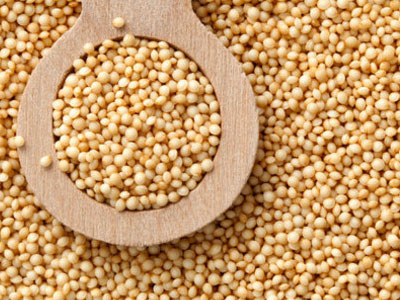
Amaranth
One of the world's oldest grains, amaranth is a South American grain native to both Mesoamerica and the Andes that can be used in place of rice. It was major food crop of the Aztecs and Incas.
Amaranth was a staple of Aztec culture, until Cortez, in an effort to destroy that civilization, decreed that anyone growing the crop would be put to death. Seeds were smuggled out to Asia, where local dialects referred to Amaranth as “king seed” and “seed sent by God” as a tribute to its taste and sustenance. Amaranth kernels are tiny; when cooked they resemble brown caviar. Amaranth is a “pseudo-grain” – like quinoa and buckwheat, it’s not in the Poaceae botanical family, but is listed with other grains because its nutritional profile and uses are similar to “true” cereal grains. (Two other amaranth species — A. hypochondriacus and A. caudatus — are also grown for their edible seeds, but A. cruentus is most common.)
This tiny grain resembles fine couscous and has a nutty, sometimes peppery, flavor. Cook amaranth in water or chicken stock with vegetables for dinner. Amaranth makes a great chilled taboulleh-style salad, but can also play nice with earthier warm ingredients like mushrooms or nutty cheeses. It's nutty, malty taste also makes it a perfect choice for breakfast when blended with nuts, dried fruit, and milk. Popped amaranth seasoned with either honey or savory spices is a popular street snack in South America. Be sure not to overcook it since it will become sticky.
Today amaranth is making its way back, thanks to a lively, peppery taste and a higher level of protein (it’s roughly 13-14% protein) compared to most other grains. In South America, it is often sold on the streets, popped like corn. Amaranth has no gluten, so it must be mixed with wheat to make leavened breads. It is popular in cereals, breads, muffins, crackers and pancakes.
Amaranth is almost always whole, since the grains are too small to easily refine. The seeds can be ground into flour for bread or baking.
Both gluten- and wheat-free, amaranth is high in protein (9 g per cup) and amino acids that help build brain cells like lysine, cysteine, and methionine, which aren't found in as high concentrations in other grains. A single serving of amaranth has up to seven percent of vitamin C, 42 percent of iron, and 16 percent of calcium needs for the day.
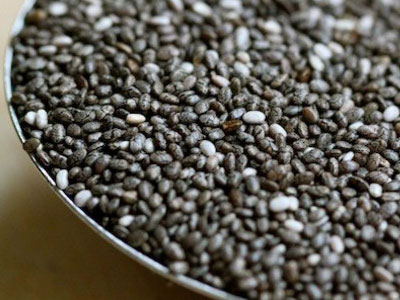
Chia
You may know Chia as the sprouts that grow on the porous clay figurines called Chia Pets, however there is much more to it than that! Chia has both nutritional and medicinal benefits. The seeds are an excellent source of essential fatty acids and are a great addition to a healthy diet.
Chia is a member of the mint family. The seeds are either white or black and both types are highly nutritious. Originally grown in Mexico and the Southwest between 1500 and 910 B.C., Chia seeds were an important part of the Aztec and Mayan diet. Aztec warriors used Chia as their main source of fuel during conquests. Medicinally, they also used it to relieve joint pain and stimulate saliva. Although once a major crop in Mexico, it was banned after the Spanish conquest due to its association with Aztec religion where it was used as an offering during religious ceremonies and ritual. Commercial production is increasing and you can now find Chia seeds online as well as in many health food stores.
Chia Seeds have a mild, nut-like flavor. The seeds are easily digested and do not have to be ground to be used. In Mexico, the seeds are mixed with water and a little bit of lime or lemon juice to make a drink called “Chia Fresca.”
Whole Chia seeds can be sprinkled on your cereal, salads, or yogurt. Seeds can also be ground and mixed into smoothies or added to baked goods. The seeds can be sprouted and used in salads or sandwiches. Sometimes Chia seeds are soaked in water (for about 30 minutes) to form a gel. The seeds soak up to nine times their weight in water. The gel is then added to porridges or used to make puddings.
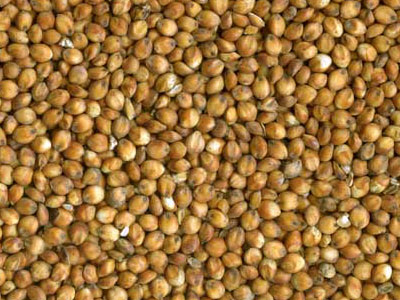
Sorghum
This gluten-free cereal grain originated in Egypt and later found its way to other parts of Africa. Specialty varieties of sorghum are high in antioxidants and policosanols, compounds important in heart health. Like kamut, this grain can be a substitute for wheat flour in most baked goods, or can be boiled like rice.
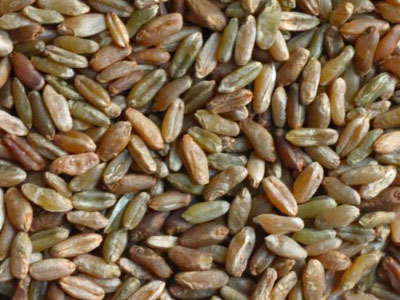
Freekeh (or farik)
Common in Middle Eastern and North African cuisine, freekeh refers to a harvesting process rather than an actual grain. The grain, typically wheat, is harvested when it is young, yellow, and soft—at its peak nutrition—and then roasted. Similar in texture to bulgur, it tends to have a smoky, nutty flavor. Though freekeh is being billed as the hottest new ancient grain, it's still not widely available in stores. You might find it in Middle Eastern or other specialty markets; it's also sold online.
Freekeh is a roasted green wheat. It is harvested while the grains are still soft and green. It is then spread out to get dried by the flaming ball of gas in the center of our solar system that we call the sun. The key is to only dry the stalks leaving the seeds with a little moisture. The stalks are then set on fire, but with the remaining moisture in the seeds keeps the seeds protected from the heat but they pick up a nice, but very light, smokiness. The wheat is then rubbed to expose the beautiful greenish wheat grain we call Freekeh. Freekeh, the word itself means "rubbed" in Arabic. It comes either whole or ground small to something very similar to bulghar wheat.
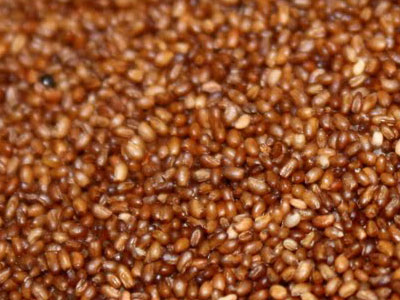
Teff (sometimes called taf)
Originating in Ethiopia more than 2,500 years ago, teff, the world's smallest grain, is made from the seed of an Ethiopian grass and made up mostly of bran and germ.
Uncooked teff can be used in baking cakes, breads, and muffins in place of small grains or seeds. For a meal, blend teff into soups and stews. It serves as a nutritious thickening agent, making it great for heavier, cool weather meals. Teff remains a staple in Ethiopia, where it's mostly used to make a spongy sourdough bread.
It is one of the smallest grains in the world—so tiny (like poppy seeds) that its bran germ, and endosperm cannot be separated, so it can be consumed only as a whole grain. According to the Whole Grains Council, there are about 3,000 teff grains in just one gram (1/28th of an ounce). Like amaranth, teff has about 60 milligrams of calcium per four ounces, cooked. Teff is slightly sweet, with white varieties mildest in flavor; darker varieties taste earthier, even chocolate-like.
This gluten-free, nutrient-dense grain contains high-quality carbs, protein (26 g per serving), minerals, and fiber, and is high in the nutrients calcium, thiamin, and iron (it has twice as much as wheat and barley).
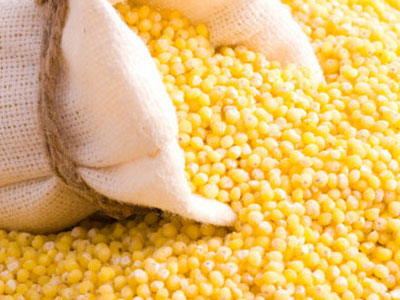
Millet
You've probably purchased millet before — it's often the star grain in bags of bird seed. Millet is a small, whole grain food that is a staple grain in many Asian and African countries. Commonly called a grain, it's actually a seed that must be hulled before we can eat it.
Quick to brown in a frying pan or pot, millet can be mixed with seasoned veggies, meats, spicy beans, and other flavorful foods.
Whole grains like millet have been associated with protection against cardiovascular disease, type 2 diabetes, and some types of cancer, and millet has also been shown to decrease the incidence of stomach ulcers. A cup of millet has just 207 calories, 6 g of protein, and 2 g of fiber. It's also cholesterol-free and only has 3 mg of sodium per serving. Millet is also gluten-free.
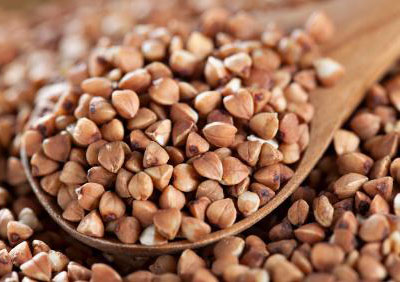
Buckwheat (Kasha - buckwheat groats)
Buckwheat is often found in Eastern Europe and Russia. This Russian native is often thought of as a grain, but it's actually an herb. Botanically, buckwheat is a cousin of rhubarb, not technically a grain at all – and certainly not a kind of wheat. But its nutrients, nutty flavor and appearance have led to its ready adoption into the family of grains. Buckwheat tolerates poor soil, grows well on rocky hillsides and thrives without chemical pesticides.
Buckwheat came to America with early European colonists and was most commonly grown in the northeast and northwest of the country. At its peak of production in 1886, buckwheat was most commonly used for flour and animal feed. Major agricultural advances of the 20th century, such as nitrogen fertilizer, increased the productivity of major staple crops like wheat and corn to such a degree that the production of minor rotational crops, such as buckwheat, declined steadily. In was not until the 1970s that buckwheat enjoyed a boost in popularity, and it continues to be a popular gluten free flour option for bakers. According to the UN, in 2016 Russia lead the world in buckwheat production, followed by China and Ukraine (FAOSTAT data, chart courtesy of Wikipedia)
Buckwheat forms the backbone of many traditional dishes across Asia and Europe. Soba noodles are enjoyed both hot and cold in Japan, and in Korea buckwheat flour and potato or sweet potato starch are used to make the traditional noodle dish naeng myun. Italy’s Lombardy region produces pizzoccheri, a type of short, flat ribbon pasta made with buckwheat and wheat flour. Elsewhere in Europe buckwheat flour is used to make galettes, a famed crepe from the Brittany region of France, and in Eastern Europe buckwheat plays a leading role in the pancake like blinis and blintz’s. For many countries in Eastern Europe buckwheat is most commonly used in its whole form, roasted and made into a traditional porridge called kasha – one of the national dishes of Russia.
The seeds of this plant are used to make buckwheat flour, which gives a bold flavor to pancakes and famous Russian blinis. You can also use the hulled, crushed kernels (called buckwheat groats) in rice-like side dishes. Roasted groats, called kasha, have a nuttier flavor. Add cooked buckwheat to salads, use it as a side dish, or add fruit and honey for a healthy oatmeal alternative.
Buckwheat is low in fat and offers eight percent of the daily value of niacin, six percent for vitamin B6, four percent for riboflavin and thiamin, 21 percent for magnesium, 12 percent for copper and phosphorous, and 7 percent for iron and zinc. It also contains all essential amino acids, making it a complete protein which helps with muscle-building.
Buckwheat is a terrific energy source, and in its whole grain, or groat, form has high levels of resistant starch resulting in a low GI response. Studies also show buckwheat is more satiating then other grains like wheat and rice and has pre biotic benefits — which as we have written before can contribute to overall health.
Each whole grain offers a different mix of nutrients. Whole grain buckwheat provides a good source (greater than or equal to 10% of the recommended daily value) of the following nutrients: protein, fiber, phosphors, and the B vitamins riboflavn (B2) and niacin (B3). Buckwheat is also an excellent source (greater than or equal to 20% of the recommended daily value) of magnesium, copper and manganese.
Not only is buckwheat a good source of protein in terms of quantity, it is a complete protein, containing all 9 of the essential amino acids that humans do not produce naturally and must consume through food. If you have celiac disease remember, buckwheat is one of the many great gluten free grain options!
Intact whole buckwheat groats can be found raw or toasted. Remember, raw buckwheat has a much milder flavor than its toasted counterpart! Unlike most whole grains, which need to be cooked in liquid to be rendered delicate enough to eat, toasted buckwheat is delicious as a salad topping (think of it as a substitute for a crouton) or stuffed into vegetables. Today, buckwheat flour is also incredibly popular in baked goods. Buckwheat is robust and earthy, pairing well with dried fruit, dark spices, beets, walnuts and hazelnuts.
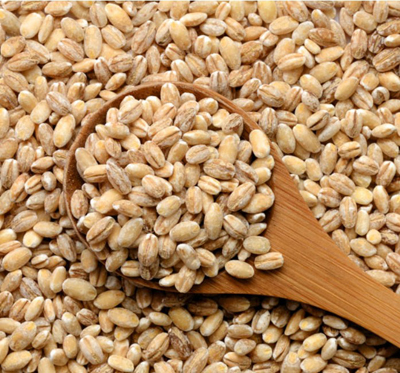
Barley
Barley is one of the world’s oldest cultivated crops, domesticated in Southwest Asia more than 10,000 years ago. Based on archeological finds, it is clear that barley was regularly cultivated along with other cereal grains emmer wheat and einkorn by 11000 to 10500 BP, often planted alongside legumes such as lentils and chickpeas. Though Southwest Asia is largely agreed upon as barleys point of domestication, it may not be the only one. The genetic diversity between barley’s archaeological remnants in Southwest Asia and the Tibetan plateau has led many to believe Tibet to be a completely separate point of barley domestication.
Regardless of origin, barley quickly spread and became an important crop throughout Eurasia. Domesticated barley quickly traveled on from the Near East through East Central and South Asia and into Europe and Africa. Barley had rooted itself in Africa by 5000 BP, existing in Ethiopia for long enough that, although not an original cultivar, it has evolved distinct genetic differences from its Eurasian cousins. Barley continued to travel East by numerous different routes, and by 2000 BCE barley had established itself across Europe.
Barley’s importance in Ancient life is evidenced in both the archaeological and written record. There are more barley remains in Mesopotamian sites than wheat, supporting the hypothesis that barley was food for the masses. In Ancient Sumeria, there was a god of barley but not of wheat. The Romans fed their gladiators barley, which some attributed to their strength calling the gladiators hordearii, or barley-men. Egyptians buried mummies with necklaces of barley, and centuries later In 1324 Edward II of England standardized the inch as equal to “three grains of barley, dry and round, placed end to end lengthwise.” Slowly, wheat gained an edge over barley and by the 1st century AD wheat had overtaken barley as the main cereal crop. Barley was relegated to mainly animal feed, though it remained an important food crop in Northern Europe until the 16th century. Today it is predominantly grown for animal feed and malt for use in alcoholic beverages.
Barley grows well where other main cereal crops do not thrive due to altitude, low rainfall, or poor soil salinity. Barley’s tolerance is exemplified by its impressive geographic range of cultivation, grown from Norway to Chile. The largest producers of barley from 2015-2017 were the Russian Federation followed by France, Germany and Australia, a list that further exhibits barley’s dynamic growing capabilities.
Barley has a particularly tough hull, which is difficult to remove without losing some of the bran. Hulled barley, available at health food stores, retains more of the whole-grain nutrients but is very slow-cooking. New varieties of hull-less barley are starting to become available. Lightly pearled barley is not technically a whole grain (as small amounts of the bran are missing) – but it’s full of fiber and much healthier than a fully-refined grain.
Barley is around 17% fiber, one of the highest levels in all whole cereal grains. It also contains high levels of soluble beta glucan fiber, a special type of fiber (also found in oats) that can help to control blood sugar and reduce the risk of heart disease. Barley has also been shown to reduce blood pressure and significantly lower total cholesterol.
Barley is pleasantly firm and chewy, making it ideal for grain salads and pilafs and a superb substitute for rice especially in curries, stir fries, and risottos. Barley has a rich flavor with mild sweetness, pairing well with mushrooms, root vegetables, warm spices and fall flavors such as apples. One serving of cooked barley (¼ cup, uncooked) has 160 calories, 8 grams of fiber and 6 grams of protein.
How to be sure you’re getting whole barley: Look for whole barley or hulled barley or hull-less barley.
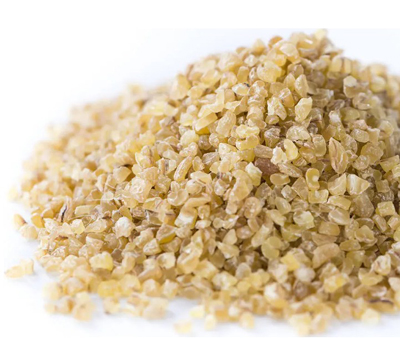
Bulgur
When wheat kernels are cleaned, boiled, dried, ground by a mill, then sorted by size, the result is bulgur. The preparation method dates back to around 2,800 B.C. and is even referenced in the Old Testament.
This wheat product is sometimes referred to as “Middle Eastern pasta” for its versatility as a base for all sorts of dishes. Because bulgur has been precooked and dried, it needs to be boiled for only about 10 minutes to be ready to eat – about the same time as dry pasta. This makes bulgur an extremely nutritious fast food for quick side dishes, pilafs or salads. Perhaps bulgur’s best-known traditional use is in the minty grain and vegetable salad known as tabbouleh.
Close to 95% of wheat grown globally is Triticum aestivum, known as common wheat or bread wheat. The remaining 5% of global wheat production is composed of Triticum durum, known as durum wheat or pasta wheat, which thrives in hotter and drier climates. Though common wheat and durum wheat make up the vast majority of wheat produced globally, interest in heirloom and ancient grains has spiked due to the growing popularity of sustainable plant-based diets. This interest has created a growing market for ancient wheat varieties such as einkorn, spelt, Kamut® and emmer (or farro). New varieties of wheat, such as kernza the perennial wheat, and tritordeum, a barley wheat hybrid, have been produced to address current climate and sustainability challenges.
Together, maize, rice, and wheat provide nearly 60% of total plant calories that humans consume, and wheat itself is estimated to provide 20% of daily food calories. In addition, wheat contains 13% protein, which is higher than most other grains. Though it does not contain all the essential amino acids necessary to make it a complete protein, wheat’s prominence as a food source globally makes it an essential source of plant protein especially in developing nations.
Bulgur is the base for dishes like tabbouleh, kibbeh, and pilafs.
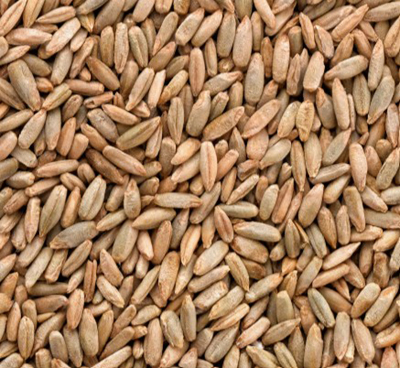
Rye
Long seen as a weed in more desirable wheat crops, rye eventually gained respect for its ability to grow in areas too wet or cold for other grains. For this reason it is a traditional part of cuisine in Northern Europe and Russia. Rye was also widely grown in colonial America; some historians believe a fungus, rye ergot, triggered hallucinations leading to the Salem witch trials.
Recently the Finnish bakery group Fazer started a three-year program to publicize the health benefits of rye products, in a major push to increase rye consumption. Rye is unusual among grains for the high level of fiber in its endosperm – not just in its bran. Because of this, rye products generally have a lower glycemic index than products made from wheat and most other grains, making them especially healthy for diabetics.
How to be sure you’re getting whole rye: Look for whole rye or rye berries in the ingredient list – just because something is labeled “rye bread” doesn’t guarantee it’s whole grain.
Health bonus: The type of fiber in rye promotes a rapid feeling of fullness, making rye foods a good choice for people trying to lose weight.
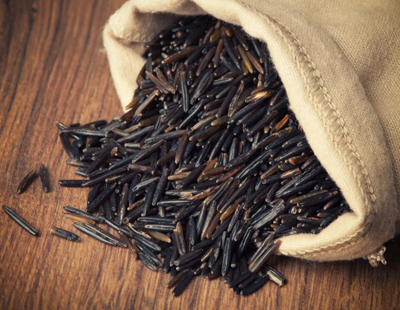
Wild Rice
Wild rice is not technically rice at all, but the seed of an aquatic grass originally grown by indigenous tribes around the Great Lakes. Today some commercial cultivation takes place in California and the Midwest, but much of the crop is still harvested by Native Americans, largely in Minnesota.
The strong flavor and high price of wild rice mean that it is most often consumed in a blend with other rices or other grains. Wild rice has twice the protein and fiber of brown rice, but less iron and calcium.
How to be sure you’re getting whole wild rice: When you see wild rice on an ingredient list, it is almost invariably whole wild rice.
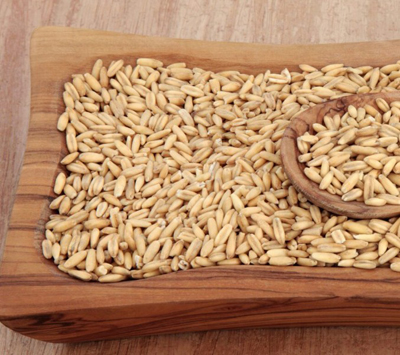
Oats
Oats are widely classified as ancient grains. While modern varieties were domesticated around 1000 BCE, primitive hunter-gatherers were processing oats as food as far back as 32,000 years ago. They remain highly valued for their high fiber content and heart-healthy beta-glucans.
Oats have a sweet flavor that makes them a favorite for breakfast cereals. Unique among grains, oats almost never have their bran and germ removed in processing. So if you see oats or oat flour on the label, relax: you’re virtually guaranteed to be getting whole grain.
In the U.S., most oats are steamed and flattened to produce “old-fashioned” or regular oats, quick oats, and instant oats. The more oats are flattened and steamed, the quicker they cook – and the softer they become. If you prefer a chewier, nuttier texture, consider steel-cut oats, also sometimes called Irish or Scottish oats. Steel-cut oats consist of the entire oat kernel (similar in look to a grain of rice), sliced once or twice into smaller pieces to help water penetrate and cook the grain. Cooked for about 20 minutes, steel-cut oats create a breakfast porridge that delights many people who didn’t realize they love oatmeal!
Health bonus: Scientific studies have concluded that like barley, oats contain a special kind of fiber called beta-glucan found to be especially effective in lowering cholesterol. Recent research reports indicate that oats also have a unique antioxidant, avenanthramides, that helps protect blood vessels from the damaging effects of LDL cholesterol.
Modern Grains
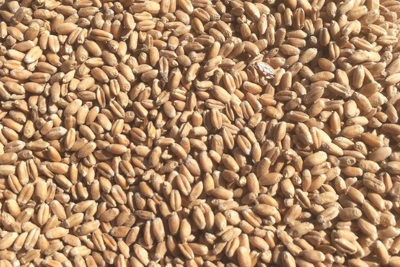
Modern Wheat
Modern wheat refers to selectively bred, high-yielding wheat varieties developed since the mid-20th century. Primarily Triticum aestivum (bread wheat) or Triticum durum (for pasta), it features shorter stalks for easier mechanical harvesting and higher gluten levels, making it ideal for industrial baking.
Modern wheat is the product of careful, centuries-long selective breeding and hybridization, not genetic modification (GMO). The most significant changes occurred during the mid-20th-century "Green Revolution", led by agronomist Norman Borlaug. Breeders developed dwarf, disease-resistant varieties that could withstand heavy fertilization and produce much higher grain yields to combat global hunger. Wheats bred after 1969 will need to be grown under high Nitrogen, regardless of their traits. When earlier and taller varieties are fertilized in the same way, they lodge, or fall over, which makes harvest difficult.
The “Green Revolution” is widely criticized for creating widespread dependence on chemical agriculture, obliterating small and mid-size farms, and emphasizing yield over flavor and nutrition.
Compared to ancient grains (e.g., einkorn, emmer, or spelt), modern wheat is genetically complex. While ancient grains are typically diploid or tetraploid, modern bread wheat is hexaploid (containing six sets of chromosomes). This complex genetics results in:
- Higher Gluten: It contains a higher ratio and stronger bonds of gluten proteins, allowing for superior dough elasticity, gas retention, and fluffier leavened breads.
- Naked Kernels: The kernels are "naked," meaning they easily detach from their husks, drastically simplifying processing and milling.
The majority of modern wheat is processed using high-speed, steel-roller mills, which strip away the nutrient-rich bran and germ to create consistent, shelf-stable white flour. The rise of modern wheat and industrial milling has sparked debate among nutritionists. Critics point to the loss of fiber and vitamins in refined flour, the addition of isolated vital wheat gluten to various products, and modern fast-acting yeast fermentation that may make the grains harder to digest for some individuals.
Some modern breeders, like Heather Darby of the University of Vermont, are working on developing wheats with traits that are interesting to farmers who use more sustainable practices, like the ability to compete with weeds, and disease resistance, and food-quality traits that appeal to artisan bakers. One modern variety, NuEast, which is popular with both CGA growers and bakers, was released in 2009 by David Marshall of the Plant Science Research Unit in Raleigh, NC. Growers love it because it yields well, doesn’t lodge, and resists sprouting in our inevitably moist harvest conditions (which severely degrades the quality of the grain). Bakers love it because it responds well to natural fermentation and other artisan techniques.
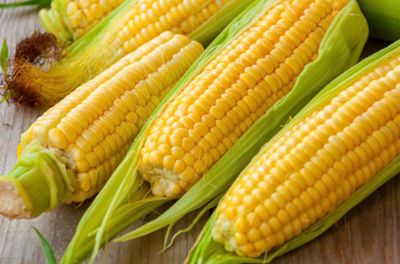
Corn
Fresh corn on the cob. Popcorn. Corn cakes. Polenta. Tortillas. Corn muffins. Though sometimes dismissed as a nutrient-poor starch – both a second-rate vegetable and a second-rate grain – corn is lately being reassessed and viewed as a healthy food. Traditional Latin cultures learned how to treat corn with alkali, creating masa harina. This treatment liberates the niacin in corn, so those who depend on it for sustenance will avoid pellagra. Eating corn with beans creates a complementary mix of amino acids that raises the protein value to humans. Most of the corn grown in the U.S. is used to feed cattle and to make sweeteners. But some finds its way into the grocery store.
Oh, the joy of a tortilla chip’s crisp snap, a fluffy bite of popcorn, and the memories that accompany the smell of fresh corn tortillas or cornbread wafting in the air.
Corn, known as “maize” in most parts of the world, is used in some of the most beloved foods found across the Americas and Europe (ask any Italian about polenta!), and is ubiquitous in the American pastoral landscape. Corn started as a small, semi-tropical grass, but the intervention of numerous human cultures over a period of more than 9000 years has transformed it into one of the most prevalent grain crops in the world.
Corn comes from humble beginnings. The corn we see today is an ancestor of a plant called teosinte, a small, semi-tropical grass that looks somewhat like wheat, with no cobs or ears to speak of. Recent DNA technology has helped archaeologists estimate that teosinte’s transformation into corn happened over the course of 9000 years, as the result of selective breeding by different peoples throughout the centuries. A maize sample from around 6300 years ago indicates it was bred to increase the size of the kernels and cobs on the developing plant. Samples taken from a Mogollon culture settlement in the Southwestern United States, some of which were around 2000 years old, show that around that time maize was beginning to be bred for starch and other characteristics helpful in making masa products.
Corn has been an integral part of innumerable cultures in North, Central and South America for centuries. It is said that the Aztecs discovered that ash from their fires mixed with water created a solution that softened the tough outer layer of corn, allowing for ease in processing. This process, called nixtamalization, is traditionally used in Central and South America and is a mainstay in corn processing to this day. Corn is soaked in an alkaline solution then drained and ground into masa, which is then dried into masa flour or used immediately to make tortillas, tortilla chips and other foods.
Today the crop is adept to growing in cooler climates and provides for about 21 percent of human nutrition across the globe. Corn’s use is by no means exclusive to human consumption. In fact, only slightly more than one percent of corn grown in the United States is grown as a cereal crop. According to the National Corn Growers Association over 65% of corn is grown either as animal feed (33%) or as biofuel (34%). Corn and its derivatives are also used as sweetening ingredients in numerous products and function as components of cosmetics, ink, glue, laundry starch, medicines and fabrics. Traditional uses of corn went beyond sustenance as well. Indigenous Americans wove the husks into baskets, toys, and even clothing.
We know corn has a wide range of applications, but when it comes to human food, many people want to know whether it counts as a grain or a vegetable. The answer is both! Fresh corn is usually classified as a vegetable, and dried corn (including popcorn) as a grain.
Sweet corn is the ear we eat as a vegetable, either plain or prepared with butter or lime and a little salt. This type makes up only 1% of the total corn grown in the United States each year, yet it is what most of us envision when we conjure up images of corn in our mind’s eye. Sweet corn earns its name from its high sugar content, which is the result of a recessive mutation in the genes that control the conversion of sugar to starch.
Field corn is by far the most common corn type grown. With a much higher starch content, this corn is not harvested until it is dried. By that time, the dried kernels have a slight indentation, a characteristic that inspired this corn’s other moniker, dent corn. This is the corn type made into cornmeal, corn grits and the like. Field corn’s main use is for animal feed and industrial products like ethanol and sweeteners.
Flint corn got its name from its tough outer layer, reminiscent of flint. This hard outer layer adds to the drama when flint corn kernels are heated to their limit for one of its most popular uses, popcorn! Flint corn is one of the many varieties of corn that was grown by the native tribes in the northeastern United States and subsequently the English settlers who later occupied the land. Flint corn’s colorful kernels make it a popular fall decoration in homes across the country.
It is important to keep in mind there is no “healthiest” whole grain. All grains, when kept whole, have unique qualities that make them an integral part of a healthy diet. Recent studies have found that corn has naturally-high levels of resistant starch that may be especially good at making us feel full longer, and may help us maintain healthy gut microbiota which is an important marker in overall health.
Each whole grain offers a different mix of nutrients. Whole grain corn provides a good source (greater than or equal to 10% of the recommended Daily Value) of the following nutrients: fiber, magnesium, phosphorus, manganese, selenium and thiamine. Corn also contains more than 10 times the amount of vitamin A of other grains. Recent research shows that corn is also high in antioxidants and carotenoids, such as lutein and zeaxanthin that are associated with eye health. If you have celiac disease remember, corn is one of the many great gluten-free grain options!
Corn brings a wonderful sweet taste to any dish, and pairs well with chilies, berries, stone fruit, aromatic spices, tomatoes, peppers, cumin, and beans. One 45g serving of cooked whole grain corn has 110 calories, 2 grams of fiber and 2 grams of protein.
Rice
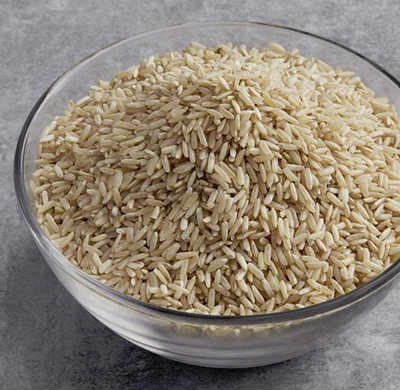
White rice is a refined grain, not a whole grain, because the germ and bran have been removed. Whole grain rice is usually brown – but, unknown to many, can also be black, purple, red or any of a variety of exotic hues. Around the world, rice thrives in warm, humid climates; almost all of the U.S. rice crop is grown in Arkansas, California, Louisiana, Mississippi, Missouri and Texas.
Common white rice is considered a modern staple. It has been cultivated and altered over thousands of years to increase yields, resist pests, and adapt to cultivation. Thus, it is generally not classified as an ancient grain because it has been heavily modified by millennia of selective breeding. However, heirloom varieties (like black or red rice) and North American wild rice are exceptions.
Converted rice is parboiled before refining, a process which drives some of the B vitamins into the endosperm so that they are not lost when the bran is removed. As a result, converted rice is healthier than regular white rice, but still is lacking many nutrients found in brown rice. Brown rice is lower in fiber than most other whole grains, but rich in many nutrients.
Health bonus: Rice is one of the most easily-digested grains – one reason rice cereal is often recommended as a baby’s first solid. This makes rice ideal for those on a restricted diet or who are gluten-intolerant.
Triticale
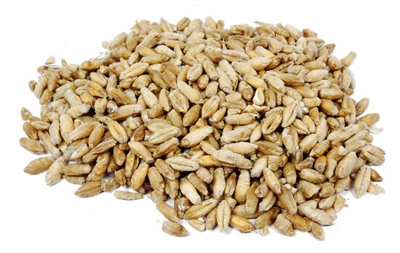
Triticale (trit-i-KAY-lee) is the new kid on the block, a hybrid of durum wheat and rye that’s been grown commercially for only thirty-five years. Rye and wheat have long cross-bred in nature, but the resulting offspring were sterile, until a French scientist, in 1937 discovered how to induce fertility.
Triticale was over-hyped as a miracle crop in the 1970s, but initial interest faded when crops were inconsistent and acceptance was slow. Today about 80% of the world’s triticale is grown in Europe. It grows easily without commercial fertilizers and pesticides, making it ideal for organic and sustainable farming.
How to be sure you’re getting whole triticale: When you see triticale on an ingredient list, it is almost invariably whole triticale.
