Types of Sugar and other Sweeteners
Liquid Sweeteners
Honey
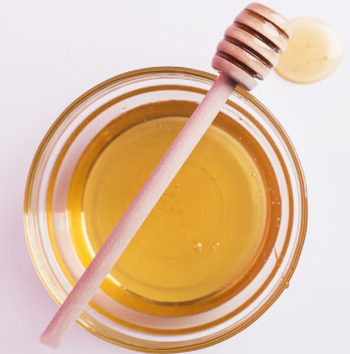
Honey is a sweet and viscous substance made by several species of bees, the best-known of which are honey bees. Honey is made and stored in hives to nourish bee colonies. Bees produce honey by gathering and then refining the sugary secretions of plants (primarily floral nectar) or the secretions of other insects, like the honeydew of aphids. This refinement takes place both within individual bees, through regurgitation and enzymatic activity, and during storage in the hive, through water evaporation that concentrates the honey's sugars until it is thick and viscous.
Honey for human consumption is collected from wild bee colonies, or from the hives of domesticated bees. The honey produced by honey bees is the most familiar to humans, thanks to its worldwide commercial production and availability. The husbandry of bees is known as beekeeping or apiculture, with the cultivation of stingless bees usually referred to as meliponiculture.
Most microorganisms cannot grow in honey and sealed honey therefore does not spoil. Samples of honey discovered in archaeological contexts have proven edible even after millennia. Honey use and production has a long and varied history, with its beginnings in prehistoric times. Several cave paintings in Cuevas de la Araña in Spain depict humans foraging for wild honey at least 8,000 years ago. While Apis mellifera is an Old World insect, large-scale meliponiculture of New World stingless bees has been practiced by Mayans since pre-Columbian times.
It has attractive chemical properties for baking and a distinctive flavor when used as a sweetener. Honey is higher in fructose than glucose, and because fructose is sweeter than glucose, you may be able to use a smaller amount of honey in your food or drink without sacrificing sweetness. And remember how your mom or grandma always told you to put honey in your tea when you were sick? Well, she wasn't wrong: Research from the journal Frontiers in Microbiology found that the sugary substance fights off your cold in multiple ways. It contains bacteria that actually kill cells; it weakens pathogens’ ability to multiply; it can make antibiotics work even better.
Honey was man’s first and most reliable source of sweetener. The oldest written reference to honey dates back to the Egyptians in 5500 B.C.E., and references to honey abound in antiquity. Until cane sugar, which originated in southeast Asia, became commercially available and affordable in the mid-19th century, honey was the major sweetening agent for Westerners. Over its history as a food, the main uses of honey are in cooking, baking, desserts, as a spread on bread, as an addition to various beverages such as tea, and as a sweetener in some commercial beverages.
Some of America’s most widely-available honeys are clover, orange blossom and sage. More rare, regional honeys include buckwheat, heather, raspberry, spearmint and thyme. Greece is famous for wild thyme honey, France for lavender and acacia honey. In Australia, the most common honey comes from the different species of eucalyptus trees.
Store honey at room temperature. Your pantry shelf is ideal, or kitchen counter away from direct sunlight. Like most foodstuffs, honey likes a location that is cool and dry. Storing honey in the refrigerator accelerates the honey’s crystallization. If your honey crystallizes, simply place the honey jar in hot water and stir occasionally until the crystals dissolve (10 to 15 minutes). Or, place the honey in a microwave-safe container with the lid off and microwave it for 30 seconds.
Honey enhances the color of crusts, and imparts its rich, distinctive flavor to all baked goods—breads, muffins, cookies, cakes and pies. It also is a natural moisturizing agent, keeping cakes moister longer. When substituting honey for sugar in baking:
- The general rule is to use 2/3 cup of honey for every 1 cup of sugar you would normally use, as honey is significantly sweeter than sugar. It's also worth noting here that a lot of American recipes tend to call for more sugar than they actually need, so do not be afraid to reduce the amoung of sugar, perhaps even back to 1/2 cup for every 1 cup.
- Reduce the liquid in the recipe by 1/4 cup for each cup of honey used.
- Honey is acidic. Add about 1/2 teaspoon baking soda for each cup of honey used to compensate for the change in pH level.
- Honey burns at a lower temperature than sugar. Reduce oven temperature by 25 degrees to prevent over-browning.
- A slightly different rule of thumb: substitute honey for up to half of the sugar called for in the recipe, but for every 12 ounces of honey added, reduce the amount of liquid required by three ounces.
- A 12-ounce jar of honey equals a standard measuring cup.
Note: Honey should not be fed to infants under one year of age. Honey is a safe and wholesome food for older children and adults.
Maple Syrup
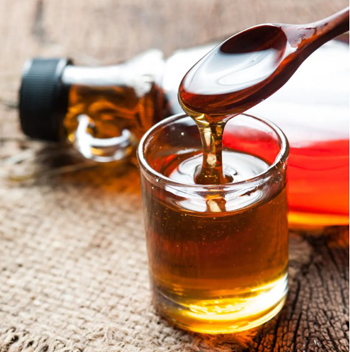
Maple syrup is a sweet syrup made from the sap of maple trees. In cold climates, these trees store starch in their trunks and roots before winter; the starch is then converted to sugar that rises in the sap in late winter and early spring. Maple trees are tapped by drilling holes into their trunks and collecting the sap, which is processed by heating to evaporate much of the water, leaving the concentrated syrup. Similar syrups may also be produced from walnut, birch, or palm trees, among other sources.
Indigenous peoples living in northeastern North America were the first groups known to have produced maple syrup and maple sugar. According to Indigenous oral traditions, as well as archaeological evidence, maple tree sap was being processed into syrup long before Europeans arrived in the region. There are no authenticated accounts of how maple syrup production and consumption began, but various legends exist; one of the most popular involves maple sap being used in place of water to cook venison served to a chief. Indigenous tribes developed rituals around syrup-making, celebrating the Sugar Moon (the first full moon of spring) with a Maple Dance.
The Algonquians recognized maple sap as a source of energy and nutrition. At the beginning of the spring thaw, they made V-shaped incisions in tree trunks; they then inserted reeds or concave pieces of bark to run the sap into clay buckets or tightly woven birch-bark baskets. The maple sap was concentrated first by leaving it exposed to the cold temperatures overnight and disposing of the layer of ice that formed on top. Following that, the sap was transported by sled to large fires where it was boiled in clay pots to produce maple syrup. Often, multiple pots were used in conjunction, with the liquid being transferred between them as it grew more concentrated. Contrary to popular belief, syrup was not typically produced by dropping heated stones into wooden bowls, especially in northeast North America where Indigenous cultures had been using clay pots for thousands of years. However, modern and historic sources contain evidence that hot stones may have occasionally been used in the upper Midwest and Canada, where hollowed out logs and birchbark containers typically replaced clay pots.
In the early stages of European colonization in northeastern North America, local Indigenous peoples showed the arriving colonists how to tap the trunks of certain types of maples during the spring thaw to harvest the sap. By 1680, European settlers and fur traders were involved in harvesting maple products. However, rather than making incisions in the bark, the Europeans used the method of drilling tapholes in the trunks with augers. Prior to the 19th century, processed maple sap was used primarily as a source of concentrated sugar, in both liquid and crystallized-solid form, as cane sugar had to be imported from the West Indies.
Maple sugaring parties typically began to operate at the start of the spring thaw in regions of woodland with sufficiently large numbers of maples. The specific weather conditions of the thaw period were, and still are, critical in determining the length of the sugaring season. As the weather continues to warm, a maple tree's normal early spring biological process eventually alters the taste of the sap, making it unpalatable, perhaps due to an increase in amino acids. Tap seasons typically happen during late winter and spring and usually last for four to eight weeks, though the exact dates depend on the weather, location, and climate.
Around the time of the American Civil War (1861–1865), syrup makers started using large, flat sheet metal pans as they were more efficient for boiling than heavy, rounded iron kettles, because of a greater surface area for evaporation. Around this time, cane sugar replaced maple sugar as the dominant sweetener in the US; as a result, producers focused marketing efforts on maple syrup. The first evaporator, used to heat and concentrate sap, was patented in 1858. In 1872, an evaporator was developed that featured two pans and a metal arch or firebox, which greatly decreased boiling time. A large number of technological changes took place during the 1970s. Plastic tubing systems that had been experimental since the early part of the century were perfected, and the sap came directly from the tree to the evaporator house. Improvements in tubing and vacuum pumps, new filtering techniques, "supercharged" preheaters, and better storage containers have since been developed.
Maple syrup is graded based on its colour and taste. As of 31 December 2014, the CFIA and as of 2 March 2015, the United States Department of Agriculture (USDA) Agricultural Marketing Service issued revised standards intended to harmonize Canadian and United States regulations on the classification of maple syrup as follows: Grade A: Golden colour and delicate taste, Amber colour and rich taste, Dark colour and robust taste, Very dark colour and strong taste, Processing grade and Substandard. As long as maple syrup does not have an off-flavour, is of a uniform colour, and is free from turbidity and sediment, it can be labelled as one of the A grades. If it exhibits any problems, it does not meet Grade A requirements, and then must be labelled as "processing grade" maple syrup and may not be sold in containers smaller than 20 litres (5 US gal). If maple syrup does not meet the requirements of processing-grade maple syrup (including a fairly characteristic maple taste), it is classified as substandard.
The United States had used different grading standards — some states still do as they await state regulation. Maple syrup was divided into two major grades: Grade A: Light amber (sometimes known as fancy), Medium amber, Dark amber, and Grade B. Golden and amber grades typically have a milder flavour than dark and very dark, which are both dark and have an intense maple flavour. The darker grades of syrup are used primarily for cooking and baking, although some specialty dark syrups are produced for table use. Syrup harvested earlier in the season tends to yield a lighter colour.
Maple syrup and its various artificial imitations are widely used as toppings for pancakes, waffles, French toast, oatmeal and porridge in North America. They can also be used to flavour a variety of foods, including fritters, ice cream, hot cereal, fresh fruit, bacon, and sausages. It is also used as sweetener for granola, applesauce, baked beans, candied sweet potatoes, winter squash, cakes, pies, breads, tea, coffee, and hot toddies.
Because of food rationing during the Second World War, people in the northeastern United States were encouraged to stretch their sugar rations by sweetening foods with maple syrup and maple sugar, and recipe books were printed to help housewives employ this alternative source. Almost all of the world's maple syrup is produced in Canada and the United States. `
Corn Syrup
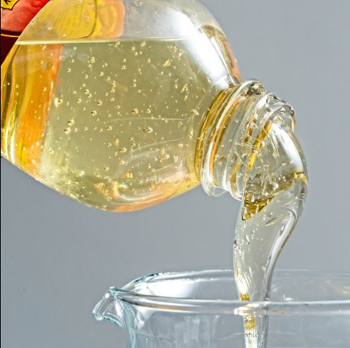
Corn syrup is not quite the evil ingredient people think it is. They confuse the corn syrup we use for baking with a very specific commercial variant: high fructose corn syrup, which is found lurking in all kinds of processed foods.
Corn syrup from the baking aisle is an invert sugar, meaning it's liquid at room temperature. It does a couple of specific things in baking. In a cookie recipe, it creates a texture that's both bendy and chewy, as opposed to crisp, that is, if you bake your cookies just until the edges start to brown. Invert sugars prevent grains of sugar from recrystallizing when the cookie cools, making it less brittle. Keep in mind, though, that if you bake the batch a bit too long, you'll get a cookie that's crisp throughout, despite the invert sugar in the formula.
Corn syrup is often added to fudge recipes to keep them from getting grainy, again by inhibiting the formation of large sugar crystals. That's also the reason it's sometimes added to cookie glazes: smaller crystals mean the frosting is shinier when it dries.
Molasses
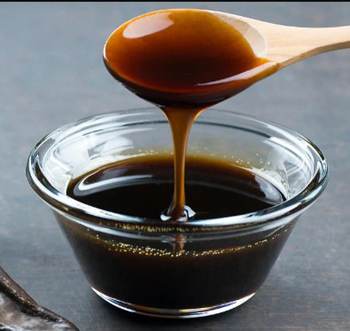
Molasses runs through our history and the evolution of our baked goods. In colonial times, it was commonly used in tandem with honey as a principle sweetener. Refined sugars were too expensive for most households, so baking with molasses became the norm, appearing in staples like anadama and brown breads, baked beans, and gingerbread. As a result, we're left with a national memory of its flavor.
Traditions have changed quite a bit since then, but molasses, with its caramel notes and slightly bitter undertone, still claims a place in our cooking. It anchors the spices in barbecue sauces, brings its complexity to frostings and cakes, and is also delicious drizzled over cornbread. Despite the rise of other sweeteners, when we encounter a molasses cookie, it's like meeting an old friend.
How it's made: Cane syrup, light molasses Cane syrup is the boiled syrup of crushed sugar cane. Light molasses is the liquid that remains after the first white sugar is extracted from cane juice. The flavor is lighter and has more fruity notes to it, in the same way the first pressing of olives makes a lighter, fruitier olive oil. Light (sometimes called "fancy") molasses is ideal for baked goods and candies.
Dark molasses is made from the second boiling of cane syrup, after the white sugar is removed. This thicker, darker version is often referred to as "full" or "robust" molasses. It gives gingerbread its distinctive flavor and can be used interchangeably with light molasses in baking, for those who prefer a stronger flavor.
Blackstrap molasses is the result of a third boil. It's darker, more viscous, stronger-tasting, and less sweet than dark molasses. Because of this, its bitter flavor is best suited for savory preparations, such as baked beans or barbecue sauce, rather than for sweets.
Agave Nectar
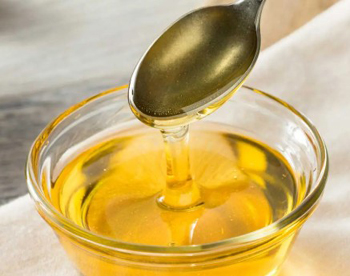
Agave nectar, derived from the heart of the agave plant, including Agave tequilana (blue agave) and Agave salmianais, gaining popularity as a sweetener. One tablespoon of agave nectar contains about 60 calories, while 1 tablespoon of white granulated sugar contains about 45 calories. But agave nectar is sweeter than white sugar by about 150%, so you don't need as much agave nectar to achieve the same sweetness as white sugar. Agave syrup is also sweeter than honey and tends to be less viscous. Most agave syrup comes from Mexico and South Africa.
Agave nectar comes in light and dark (amber) versions. The light-colored variety has a mild flavor and is often used as a sweetener in recipes to complement the flavors of other ingredients.
However, there are still some reasons people prefer agave nectar to other sweeteners. For example, because agave nectar is lower on the glycemic index, this sweetener may not raise blood sugar levels as high as white sugar. Additionally, agave nectar is a vegan alternative to honey.
Sugars
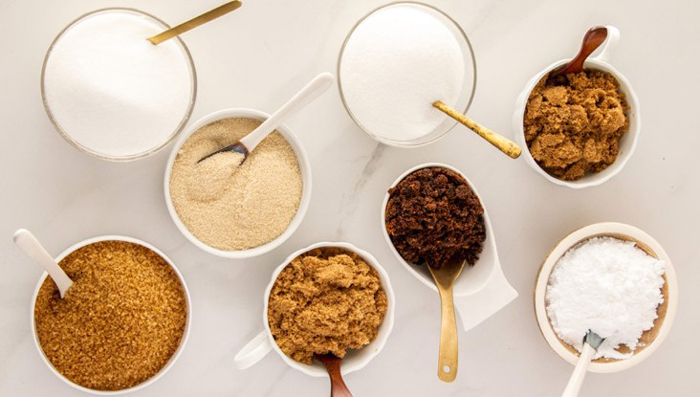
Think of sugar in three categories: everyday sugars, specialty sugars, and finishing sugars. Everyday sugars are self-explanatory — they’re the ones we most frequently pull out of our pantries to bake with (white granulated sugar, brown sugar). Specialty sugars are less common but can contribute flavor and/or texture in a way that favorites like granulated or brown sugar can’t. Lastly, there are finishing sugars: They don’t go into a batter or dough but instead are used to garnish baked goods for an elegant appearance, pleasing texture, or both.
Substitutions: In general, use your best judgment if you need to substitute — only swap sugars that look and taste similarly (i.e., no confectioners’ sugar in place of granulated!). And remember that recipes won’t turn out exactly the same whenever you make a change. For handy reference, here’s a shortcut of common swaps:
- Granulated sugar can be used in place of superfine sugar/caster sugar by weight; if possible, blitz in a food processor to make it more finely ground before baking
- Light brown sugar and dark brown sugar can be used interchangeably
- A combination of granulated sugar and molasses can be substituted for brown sugar
- Brown sugar can be used in place of muscavado sugar by weight or volume, and vice versa
- Turbinado sugar and Demerara sugar can be used interchangeably when sprinkled on top of baked goods
Everyday Sugars
Granulated White (common) sugar
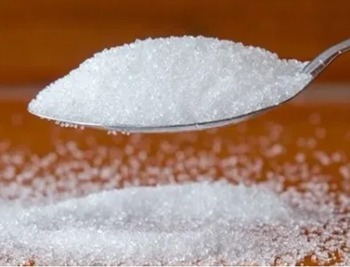
Granulated white sugar — what we mainly use in baking — is derived from either sugar beets or sugarcane. It's technically sucrose (a disaccharide) which is made up of two simple sugars (monosaccharides): glucose and fructose. This is your everyday white table sugar with small grains that measure roughly 0.5 mm across. It has a large variety of uses, as a table sugar, in baking and to decorate pastries.
This is the most commonly used sugar in baking, and for good reason. It’s neutral in flavor and has medium-sized, uniform crystals that are small enough to dissolve into batters and large enough to create air pockets when creamed with butter. If you only stock one sugar, this is the best choice.
- Recommended granulated sugar substitutes: superfine sugar (by weight)
Icing sugar (confectioners sugar or powdered sugar)
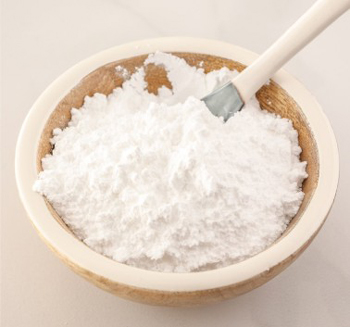
Also called powdered sugar or icing sugar, confectioners’ sugar is granulated white sugar that has been blitzed to a fine white powder with a bit of cornstarch added to prevent clumping. Because of its fine consistency, confectioners’ sugar dissolves easily and is used for icings, frostings, and glazes. It can also be sifted over baked goods as a finishing touch.
It’s not good for creaming because it doesn’t have defined crystals to cut through the butter; on the flipside, it’s great in dense, buttery cookies like shortbread because it doesn’t incorporate air and yields a supremely tender, melt-in-your-mouth texture. This fine, powdered sugar is best for making icings, sweetening fillings and sprinkling over the top of desserts. It is also the main ingredient in cake decorating ingredients like fondant and flower paste and in candies like peppermint patties and butter mints.
Is caster sugar the same as icing sugar? No, it’s definitely not. Caster sugar is fine crystals whereas icing sugar is a powder and they perform very differently if used in baking.
- Recommended confectioners’ sugar substitute: 1 cup (198g) granulated sugar + 1 tablespoon cornstarch whizzed in a blender or food processor until fine (sub by weight if using in a batter or dough; by volume if you’re dusting on top of a baked good)
Brown sugar (light or dark)
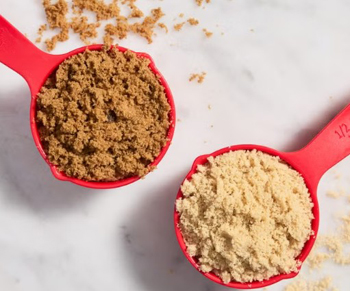
Perhaps the second-most common sugar in baking, brown sugar is basically granulated sugar with a small amount of molasses added. You’ll typically find two types of brown sugar: light brown and dark brown. The latter has slightly more molasses and as a result will provide more flavor and darker color, but for the most part they can be used interchangeably in baked goods.
Back in the day, brown sugar was sugar cane juice that was partially evaporated, then run through a centrifuge to remove some (but not all) of the natural molasses that gives it its color. Once the brown sugar had been “harvested,” the remaining sugar was further processed to become white granulated sugar. Today, the light brown and dark brown sugar you commonly buy is white granulated sugar with molasses added back in — up to 10% molasses, by weight.
The inclusion of molasses gives brown sugar its toasty color, additional depth of flavor, slight acidity (important for leaveners!), and moisture. As a result, brown sugar is typically used in recipes to provide both more flavor and a softer texture.
Brown sugars are made by coating white sugar crystals in a molasses like syrup. The darker the sugar, the more molasses it contains, and the stronger the caramelised flavour will be. Brown sugar retains more moisture than white sugar, so it is loved in baking as the final product will stay fresher for longer.
- Recommended brown sugar substitutes: For every cup of brown sugar called for in your recipe, substitute 1 cup (198g) white granulated sugar and 2 teaspoons (14g) molasses for light brown sugar; or 1 cup (198g) white granulated sugar and 1 tablespoon (21g) molasses for dark brown sugar. There’s no need to mix the molasses into the sugar; simply add both to your recipe at the same time.
Specialty Sugars
Caster sugar (called Superfine Sugar in US)
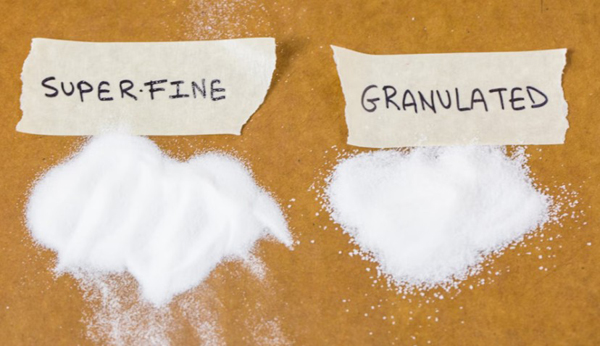
Superfine (Caster) sugar vs Granulated sugar
See how much smaller the superfine sugar granules are?
Caster, or castor, sugar is a type of fine granulated sugar that's widely available in the United Kingdom. It's not quite as common in the United States, though you can find it in some baking aisles under the name "superfine sugar." Its texture is somewhere between regular granulated sugar and confectioners' sugar. What's with the name? Years ago, this type of sugar was often found in a shaker (called a caster) and sprinkled on fresh fruits.
Caster sugar is the preferred sugar in most pastry and cake baking, and is defined by its ultra fine granules, which measure around 0.35 mm. The fine particles dissolve faster than white sugar and the sharp edges are able to aerate batters as they easily cut through fat particles. This is also the preferred sugar for making pavlovas and meringues as the fine particles easily dissolve in the beaten egg whites, preventing a grainy texture.
Caster sugar is available in two varieties: white (regular) and golden. The golden variety is unrefined and processed in a way that maintains some of the molasses, similar to brown sugar. It has a warmer, more caramel-like flavor than white caster sugar.
Since it's finer than granulated sugar, caster sugar dissolves and incorporates more quickly — this makes it perfect for light and airy desserts like meringues and soufflés. It's also often used to sweeten beverages, such as tea, because it doesn't need heat to dissolve.
Really, though, caster sugar can be used in almost any way granulated sugar is used. Substitute on a 1:1 ratio (if your recipe calls for a cup of caster sugar, use a cup of granulated sugar).
- The best substitute is DIY caster sugar. Make the British ingredient at home with just granulated sugar and a food processor, blender, or coffee grinder. To make caster sugar, simply pulse or blend granulated sugar until it reaches a finely ground — but not powdery — consistency. Two or three quick pulses will usually do the trick.
Muscovado sugar
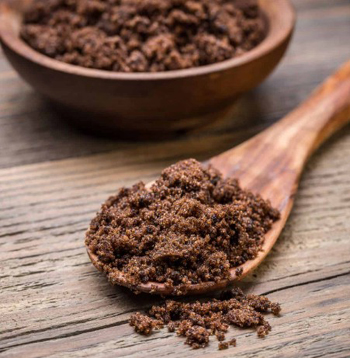
A dark, slightly sticky sugar, muscovado retains the molasses from the sugarcane, yielding a pronounced burnt caramel-like flavor and deep brown color.
Whereas brown sugar has a molasses syrup sprayed onto the sugar particles, muscovado sugar is the made from evaporated sugar cane juice and is not refined. It is naturally processed and is free from any harmful chemicals that are often used to make other types of sugar. It is also nutritionally rich as it retains all the natural minerals and vitamins found in the sugar cane juice.
For this reason it is often termed a healthier alternative to other types of sugar. Like brown sugar, it comes in light and dark, with the dark brown sugar producing a stronger butterscotch flavour. Use in place of brown sugar.
- Recommended muscovado sugar substitutes: brown sugar (by volume or weight)
Palm sugar (Jaggery)
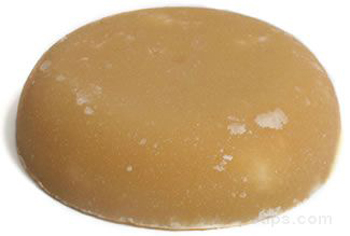
A coarse, unprocessed sugar, which is generally brown in color, sticky textured and crumbly in consistency. This sugar, which may also be referred to as jaggery, gur or coconut sugar, is obtained by boiling down the sap from the coconut palm or the palmyra palm tree. The liquid is then cooled and dried to be shaped into crystallized cakes, cylindrical blocks, rough surfaced round balls, small logs, or packaged in cans and tubs as a soft, sweet paste to be sold in Asian food stores. If the sugar is smoke-cured it then becomes much darker in color and noticably distinct in flavor.
Jaggery sugar, which may also be made from sugar cane as well as palm sap, is often produced as a rough or smooth jaggery. The rough jaggery has a stronger flavor with both a molasses and caramel taste. The smooth jaggery has a much milder taste than the rough jaggery, providing more of the caramel flavor than the molasses flavor. The rough jaggery is commonly used in India to sweeten and balance the more intense flavors present in many lentil dishes.
Often used in Asian food dishes, palm sugar has a flavor that is similar to a combination of molasses and brown sugar. It is a sugar that is used to flavor beverages, curries, rice dishes, desserts, and candies.
Finishing Sugars
Sparkling sugar (Sanding sugar)
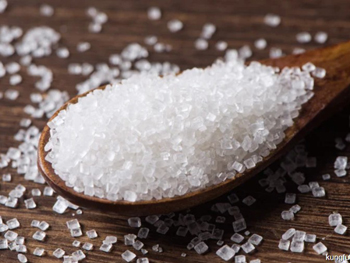
Also called sanding sugar, sparkling sugar has large, clear granules that retain their shape and crunch after baking, similar to Demerara sugar. It’s sprinkled on top of scones, snacking cakes, breads, pies, and more.
- Recommended sparkling sugar substitutes: Demerara sugar, turbinado sugar (by volume if you’re sprinkling on top of a baked good)
Demerara sugar
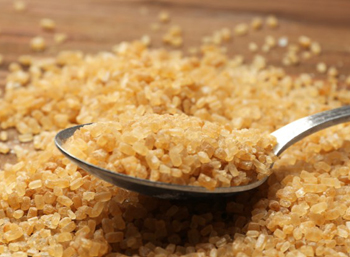
Another type of natural sugar, Demerara sugar is also unrefined and is made from dehydrating cane juice. It has large golden crystals that are often washed with alcohol to make them shiny. Demerara sugar's large crystals dissolve slowly, allowing the butterscotch flavour of the natural sugar cane syrups to last, and making them a particularly popular pairing with coffee. The rich golden colour and molasses flavour of Demerara also make it popular in baking, where the large particles give crunch to cakes, scones and biscuits.
A less-processed version of granulated sugar, Demerara sugar contains some molasses, making it similar to brown sugar in taste, while in texture it’s more like sanding sugar, coarser and with larger granules, making it an excellent finishing sugar for topping cakes, quick breads, and muffins before baking because the prominent crystals remain intact and provide a pleasing crunch. For this same reason, it’s not a good substitute for granulated sugar, as it doesn’t dissolve as easily in batters.
- Recommended Demerara sugar substitutes: turbinado sugar, sparkling sugar (sub by weight if using in a batter or dough; by volume if you’re sprinkling on top of a baked good)
Other possible substitutes for demerara sugar include any type of brown sugar, particularly light brown sugar, turbinado sugar, or muscovado sugar in equal amounts depending on the baked good. (Dark brown sugars will add a stronger molasses flavor.) You can also use granulated sugar, but there will be a flavor and texture difference.
Turbinado sugar
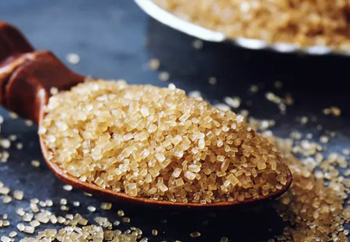
Similar to Demerara sugar, with a rich brown color, large crystals, and a molasses-y flavor. Use it the same way you would Demerara — to garnish the tops of baked goods for pleasing color and crunch.
This “natural” brown sugars, ranging in color from light hazelnut to deep-dark mahogany, is manufactured by centrifuging partially evaporated sugar cane juice, rather than adding molasses to white granulated sugar as brown sugar is made.
- Recommended turbinado sugar substitutes: Demerara sugar, sparkling sugar (sub by weight if using in a batter or dough; by volume if you’re sprinkling on top of a baked good)
