Types of Grain
Grains, commonly referred to as ‘cereals’ or ‘cereal grains’, are the edible seeds of specific grasses belonging to the Poaceae (also known as Gramineae) family. Wheat, oats and rice are the grains most commonly eaten in Australia, with others such as rye, barley, corn, triticale, millet and sorghum making a smaller contribution. Some types of wheat such as spelt, freekeh, emmer and eikorn are also becoming more popular.
True Cereal Grains
There are a number of different types of grains found within the true cereal grains which are from the botanical family ‘Poaceae’ including wheat, oats, rice, corn (maize), barley, sorghum, rye, and millet. Within these groups there are also varieties such as farro, freekeh, emmer and spelt which are all types of wheat as well as new grains like triticale which is a mixture of wheat and rye.
Pseudo-Cereal Grains
The ‘pseudo-cereal’ group are not part of the Poaceae botanical family, in which ‘true’ grains belong, however they are nutritionally similar and used in similar ways to ‘true’ grains. Many of these, such as amaranth, buckwheat and quinoa (pronounced ‘keen-wah’), are not actually grains but are in fact seeds from a number of different plant species external to the Poaceae family. As such, they are not by definition ‘true’ grains, yet they are considered ‘pseudo-cereals’ since their overall nutrient composition is similar and they are prepared and used in similar ways to ‘true’ grains. Pseudo-cereals are increasingly being used in the manufacture of niche breads, flatbreads, crispbreads, pasta, breakfast cereals and snack bars as well as on their own as alternatives to rice, pasta and cous cous.
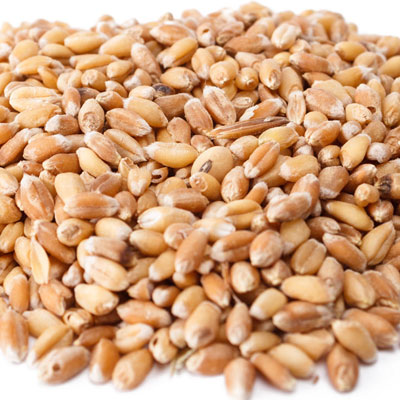
Wheat
Wheat is the most widely cultivated cereal crop in the world, with Australia being the eighth largest producer and fourth largest exporter of wheat in the world. Wheat has come to be a firm favourite grain because of the diversity it provides in culinary applications.
Wheat Types
Many different types of wheat grain exist, with two main types being eaten in Australia, namely bread wheat (Triticum aestivum vulgare) and durum wheat (Triticum turgidum durum). The durum variety is used in the manufacture of pasta while the other type is used to produce most other wheat-based foods. Bread wheat in Australia is typically white and does not have the red colour, which typifies most bread wheat grown in the northern hemisphere.
Bread wheat is described as ‘hard’ or ‘soft’ according to its protein content. Hard wheat has more protein, including more gluten, which makes it purposeful to bake bread, while soft wheat has a much lower protein content, which when milled produces ‘cake flour’ for sweet biscuits and cakes.
Aside from bread wheat and durum, other types of wheat include spelt, emmer, einkorn and kamut. These wheat varieties are commonly referred to as ‘ancient’ grains and are increasingly being used in the manufacture of niche wheat-based food products.
Wheatberries, chewy and light, they do especially well with wintery ingredients like Brussels sprouts or fennel. Though cooking them takes some patience, the results are well worth it—they have a great wheaty flavor and a satisfying crunch that feels substantial and cozy, even when served room temperature. You'll find several varieties on shelves these days, from the more widely available durum wheatberry to ancient species like farro, spelt, and emmer. There are also semi-processed varieties like bulgur, which has been parboiled and roughly crushed for a faster cooking time and finer texture.
Spelt is higher in protein than common wheat and can be used in place of common wheat in most recipes. Though very similar to durum wheatberries, spelt has a more fibrous bite and toasted flavor. Be prepared for an extended cooking time—spelt bran is on the thick, tough side. Spelt does contain gluten and should not be consumed by people who need to avoid gluten as a consequence of medically diagnosed coeliac disease.
Spelt is a species of wheat that was a very important crop in ancient and medieval times, but now it is only commonly grown in Europe. It's been around in the United States since the 1890s, but it was replaced in the 20th century by bread wheat. According to Wikipedia, spelt actually requires fewer fertilizers, so the organic farming movement is making it more popular again, as is the health food industry.
Spelt is not just a "good-for-you" grain. It has a sweet, nutty chewiness that tastes a little like barley but without barley's sliminess. The grains stay fluffy and distinct when cooked, nicely al dente. It's not a gluten-free grain; it's moderately high in gluten since it is, after all, a type of wheat. But it's high in protein and fiber and like other whole grains a great addition to your diet.
Emmer/Farro or ‘grano farro’, is staging a comeback as a gourmet ingredient, with appreciable amounts of antioxidants. Emmer is an ancient grain. In fact, it's the oldest grain there is and it is believed that all other grains derive from it. It was a daily staple in the diets of Ancient Romans, as well as people in the Mediteranean and the Near East. However because it's difficult to grow and is a low yielding crop, it nearly became extinct. Nowadays it is grown mostly Mugello region of Tuscany. Emmer wheat is most frequently imported from Italy and sold pearled (which cooks quickly) rather than hulled (whole). Rich in fiber, protein, and vitamins A, B, C, and E, farro is low in gluten and easily digested.
Similar to spelt, wheatberries and barley, farro has a nutty flavor and a chewy texture. It's great in soups since it doesn't get mushy even if it's over-cooked and it's excellent on its own as the base of a salad or a side dish. Its unique texture makes it a nice conrast for virtually any vegetable, nut, or dried fruit. Try it tossed with chopped tomatoes and kalamata olives, a handful of fresh herbs, and drizzled with olive oil and red wine or balsamic vinegar. Combine it with toasted pine nuts and currents or grilled eggplant or roasted squash. It is often used in hearty Italian soups and as a substitute for Arborio rice in risotto. It is currently becoming more popular with the health conscious as well as in upscale restaurants.
Einkorn is prized for having a high protein content and the highest level of lutein among wheat species.
Kamut is a heirloom grain originating from Egypt which is higher in protein and contains more vitamin E than common wheat.
Main culinary uses of wheat:
Wheat is typically milled into flour which is then used to make a wide range of foods including bread, crumpets, muffins, noodles, pasta, biscuits, cakes, pastries, cereal bars, sweet and savoury snack foods, crackers, crisp-breads, sauces and confectionery (e.g. liquorice). Other culinary applications of wheat include:
Flaked, puffed and extruded wheat – all three forms are commonly used to manufacture breakfast cereals and cereal snack bars.
Wheat berries – raw kernels of wheat that have been stripped of their inedible outermost hull only – are the least processed form of wheat and come in many varieties: hard or soft, winter or spring, and red or white. Wheat berries contain the bran, germ, and endosperm of the wheat kernel, which translates into maximum nutritional payload. There's lots of fiber and protein packed into these grains, along with a bounty of B Vitamins. Wheat berries have a sweet, nutty flavor that makes them incredibly appealing on the table. This flavor works just as well in savory meat and vegetable dishes as it does in sweeter puddings and breakfast dishes. They also hold their shape and chewy texture even after long cooking, which is a boon in winter soups.
Cracked wheat is made by milling raw wheat berries into smaller pieces, a process that reduces cooking time but still preserves the nutrient- and fiber-rich bran and germ layers.
Wheat bran – added to biscuits, cakes, muffins and breads to increase the dietary fibre content. Wheat bran is also used in the manufacture of some breakfast cereals.
Wheat germ – can be added to breads, pastries, cakes and biscuits or sprinkled onto yoghurt, breakfast cereal or fruit dishes.
Semolina – mainly used for making pasta. The preferred variety of wheat for pasta is Triticum durum. It can also be cooked in milk to make semolina pudding or fried golden brown and then mixed with plenty of sugar to make Halva, as eaten in the Middle East. In Greece, semolina is used in baked cakes.
Cous cous – used widely in North Africa, cous cous is made from semolina grains which are sprinkled with slightly salted water and rubbed to make tiny pellets which are steamed and then dried. Instant couscous is available in Australia which needs only 5 minutes soaking in hot water.
Burghul (also known as bulgur) – is made by parboiling wheat, drying it and then coarsely grinding it. It can be steamed or boiled and used in a wide range of dishes, such as the Middle-Eastern dishes tabouleh, kofta and kibbeh. Bulgur has a nutty flavor and a granular texture. It is a good source of potassium, B vitamins, iron, and calcium; it also has the same amount of protein as brown rice but less fat and more fiber. Bulgur is a good choice for salads: Try it with tomatoes, cucumbers, parsley, and mint or with dried fruits, nuts, and cinnamon.
Kibbled wheat – grains are cracked or broken into smaller particles and then moistened or steamed and dried. Kibbled wheat is used as an ingredient in mixed grain bread or cooked as a side dish.
Boiled wheat – puddings are made from boiled wheat in Lebanon and the Balkans.
Wheat starch – used as ‘cornflour’ or converted to glucose, dextrose and other sugars for use in confectionery and other manufactured foods.
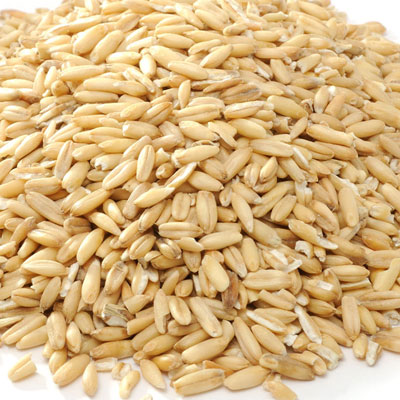
Oats
Oats are the fourth largest grain crop produced in Australia. Oats almost never have their bran and germ removed in processing so most food products containing ‘oats’, ‘oat flour’ or ‘oatmeal’ as an ingredient contain wholegrain oats. Oats are naturally rich in beta-glucan – a soluble fibre found in the bran and endosperm layer of the oat grain. Beta-glucan has been shown to improve blood glucose control after a meal and improves insulin responses as well as decrease cholesterol levels. More recent research indicates oats contain avenanthramides – a unique phytochemical that has been shown to help protect blood vessels from the damaging effects of LDL-cholesterol.
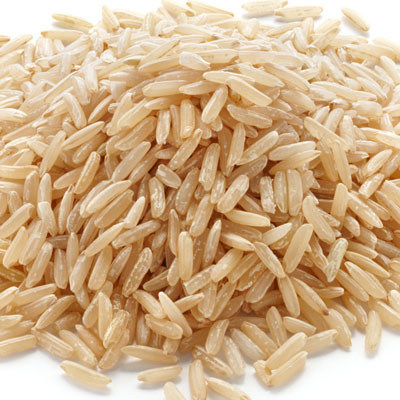
Rice
Rice is grown in over 100 countries and is a grain eaten by more people in the world than any other grain. In fact, three of the most populated regions of the world, China, India and Indonesia, are all rice based societies and it is their staple food.
There are over 40,000 varieties of rice out there, which tends to limit one's ability to make grand generalizations. It's easiest to talk about rice in terms of length rather than flavor, with most short and medium grain varieties having the highest levels of amylopectin. They're your best candidate for rice pudding, risotto, sticky rice, and other glutinous preparations. Long grain rice, like basmati, jasmine, or Carolina, is usually higher in amylose—amylopectin's counterpart—and stays fluffy after cooking. It's used for traditional pilafs and fried rice, or as a bed for sauces. As for the difference between white and brown rice? It's a simple as this: white rice is brown rice, minus the bran.
Of these varieties, more than 100 varieties are grown worldwide. Some of the more popular rice varieties eaten in Australia include:
White Rice –To produce white rice the nutrient rich bran layer is removed. While white rice has lower levels of nutrients it still contains protein, vitamins, minerals and some fibre and is low in fat and salt. When enjoyed in moderate amounts, and as part of balanced meal, white rice makes a positive contribution to a healthy diet.
Basmati rice – a very long, slim grain, which is very popular in Indian cuisine and often served alongside curry based dishes. It also has a lower GI than regular rice.
Jasmine rice – a very fragrant rice and originates from Thailand where it is used extensively in cooking, usually steamed.
Arborio rice – a much shorter and plump grain, it is typically used in Italian dishes like risotto.
Brown rice – a rice grain with the bran layer still intact. It can be cooked and eaten as it is and contains more nutrients in this form than white rice, which has had the outer bran layer and germ removed.
Coloured rice – black rice and red rice are now available in Australia as well as wild rice.
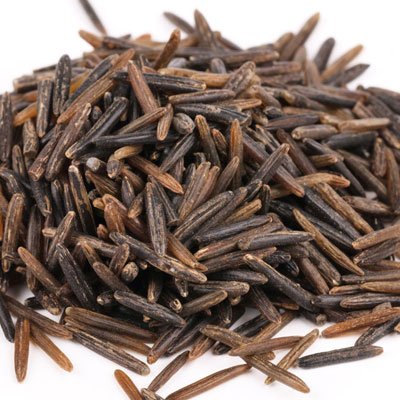
Wild Rice
Chewy, nutty, and slightly herbal, long grain wild rice is one of the most distinctive grains out there. It's not technically a rice, nor is it particularly wild these days—domestically, most of it is cultivated in paddy fields in Minnesota and California, though it does grow naturally in a number of rivers and lakes across the Americas. Warm or chilled, it's usually combined with autumnal ingredients like dried cranberries and toasted nuts, roasted root vegetables, or squash, but you can also incorporate it into soups for some extra texture or combine it with "true" rice in a pilaf.
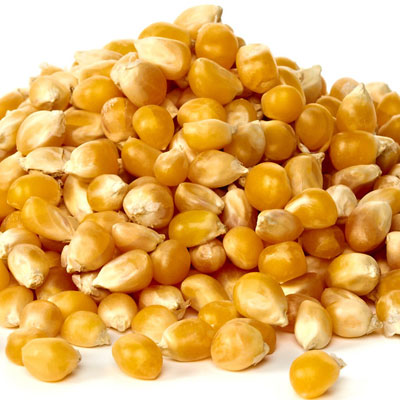
Corn
Corn (also known as maize), is one of the sweetest tasting grains. In its immature form it is the familiar yellow corn on the cob. When it matures and dries out it is used like other grains to make grain foods like breakfast cereal and tortillas.
Corn production in Australia is small, producing 0.6% of total world production, compared with the USA which is responsible for about 43% of total world production. It is one of the world’s most important crops because it is used widely in food manufacture.
Corn is unique in that it cannot reproduce itself without the aid of humans – its seeds cannot be released because they are tightly wrapped around the ear. Wild corn has never been found and domesticated corn was probably developed through hybridisation.
Main culinary uses of corn:
Fresh corn – is frequently eaten fresh as a vegetable (sweetcorn), which is steamed or boiled after dehusking. It is also available to eat frozen and canned, either whole or as single corn kernels.
Corn starch – is used in packaged foods or hydrolysed to dextrose, corn syrup solids or glucose.
Corn flour – the corn flour sold in the supermarket is in fact corn starch. It is used as a thickener in custard powders, dessert mixes and sauces. Different types of cornflour (cornstarch) are put to a variety of uses e.g. corn flour with a high amylopectin content is used as a starch thickener, while that with a high amylose content is ideal for the production of extruded products.
Corn meal – made by grinding white or yellow corn, corn meal is used to make polenta, a Northern Italian porridge which can also be sliced cold and eaten like bread. Uncooked corn meal can also be mixed with water, egg, cheese and herbs to make dumplings to float on casseroles. In Central America, corn meal is cooked into flat thin cakes called tacos and tortillas, while the North Americans produce corn bread, corn pone and hominy from corn. In traditional Latin American cuisine dough made from the corn flour ‘hominy’ is used to make soft tacos and tortillas. The corn is soaked in lime (calcium hydroxide) which removes the hard outer hull and the germ. It also releases the B vitamin niacin, preventing the Native Americans from developing the vitamin deficiency pellagra.
Corn grits – is used for breakfast cereals, such as cornflakes, baking products and snack foods, such as corn chips.
Popcorn – is made from a corn variety which has a very tough outer covering so that it “explodes” when heated.
Porridge – in South Africa, corn is boiled with water to make a porridge known as mealie meal.
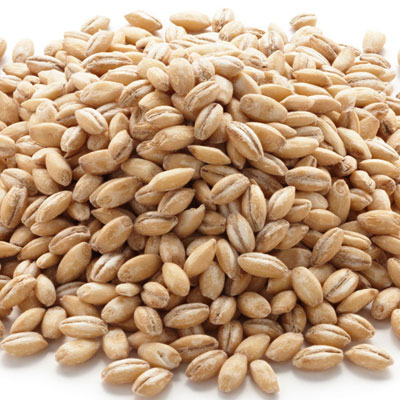
Barley
Barley is a cereal grain that was originally native to Asia. Barley was very important in ancient times and was one of the first grains to be widely cultivated. However, when leavened bread became popular, consumption of barley was replaced by wheat and rye. Having a lower gluten content (which provides the framework for dough to rise), the application of barley in the production of bread is limited. As such, fewer people today in developed countries eat barley. Although, the discovery that barley is high in beta-glucan has given rise to its use in health-promoting food products, especially foods tailored to cardiovascular health.
A large proportion of the world’s barley supply is used make beer. Barley does however remain a staple food for many people in less developed countries such as those in North Africa and in areas where wheat is difficult to grow, such as Tibet.
Barley has a springy, pasta-like texture, a mild flavor, and a creamy flavor. It is sold as a whole grain (hulled) or pearl barley (bran removed, then steamed and polished), which cooks faster. A high-fiber food, barley helps lower cholesterol, reduce the risk of heart disease, prevent the development of type 2 diabetes, and aid regularity. In a soup, or as a side dish or a salad, the grain pairs nicely with roasted meats, fruit, and earthy vegetables, like mushrooms.
Cooked whole, it has a meaty chewiness that lends itself well to bulking up any dish it's added to. It's especially high in amylopectin, so it adds a nice silkiness to soupier foods. With a slightly malty character (hence beer) and a mild nutty sweetness, it's pretty palatable, even served pilaf-style with minimal seasoning. But if you prefer to amp things up, it's quite receptive to everything from root vegetables and aromatics to even the boldest of meats, like lamb.
Most of the barley that's commercially available is light in color and labeled "pearled," meaning that it's had both its hull and bran removed, and often the germ, too. While even pearled barley still retains substantial nutrients and cooks up faster and slightly more tender, if you're looking for the most robust option, seek out hulled barley, instead. Just consider giving it a soak overnight to help the process along.
Main culinary uses of barley:
Pearled barley – is made by removing the two outer layers. Pearled barley is generally used in soups and casseroles or as a side dish (kasha).
Scotch barley – is a husked grain which has been roughly ground is used in soups and stews.
Barley flour – is made by grinding the “pearls”. In the Middle East and Africa, barley flour is blended with wheat flour to produce breads or is ground and cooked as porridge. Bread made with barley flour has a sweeter taste. In Japan and other parts of Asia, barley is used to produce noodles.
Barley grits – are chopped grains which have a shorter cooking time than whole grains. It’s used in casseroles, hamburgers, soups, stews and as an ingredient in breakfast cereals.
Barley flakes – are barley grains that have been soaked to soften before being added to baked products. They may also be used to make porridge, milk puddings and breakfast cereals.
Malted barley – is used in the production of alcoholic beverages such as beer and whisky and as a flavouring agent for cereal breakfast foods and for malted milk.
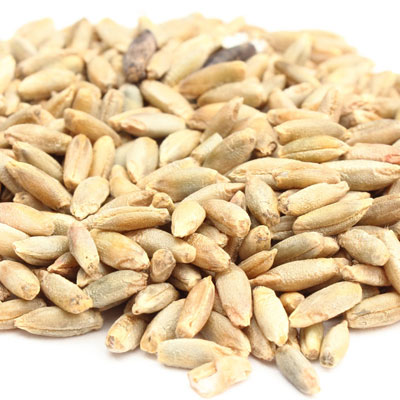
Rye
Rye came into cultivation later than wheat, barley and oats and was not known to the ancient Egyptians and Greeks. It was the main grain used for bread-making in Northern Europe and Russia for many centuries. This is partly because it grows well in colder, harsher climates and partly because it was preferred by some people.
Scandinavian countries such as Denmark, Norway and Sweden eat a variety of bread and crispbreads made from rye flour, although wheat products are becoming more popular.
Rye contains less gluten than wheat flour, and this makes rye bread significantly denser. Traditional rye breads are made with a sourdough method so have a slightly sour taste when compared to wheat bread. Dark rye flour bread is all whole grain flour. Light rye grain bread is a mixture of whole grain rye flour and refined rye flour. Bread made wholly from rye flour is made in Germany and called pumpernickel.
Rye is unique among grains for having a high level of fibre in its endosperm – not just in its bran. As such, the glycemic index (GI) of rye products is generally lower than products made from wheat and most other grains.
Imagine a grain with the chewiness of barley or wheatberries and the flavor of rye bread—earthy, slightly sweet, but far more mild than buckwheat—and you've got rye. It pairs well with tangy acids (think the sauerkraut in your Rueben) and sweeter flavors—in the wintertime, it would make a nice, hearty dish with root vegetables like parsnips, turnips, sweet potatoes, or even beets. Or serve them in a room temperature salad with carrots, celery, cilantro, and almonds.
Main culinary uses of rye:
Rye berries – the intact grains can be boiled like rice and eaten as a side dish, cooked as a pilaf or added to soups or salads.
Rye flour – dark rye flour is made from the whole grain and light rye flour from partially debranned grain and has a stronger flavour than wheat. Light, medium and dark rye flours are used to make bread, biscuits like gingerbread, pancakes and Scandinavian rye crispbreads. Rye flour is also used as a filler for sauces and soups.
Rye bread – most rye flour is used to make bread, which is normally blended with wheat flour. Although rye contains gluten, it is much weaker than wheat gluten. Traditionally, rye breads are made using a sourdough process giving it a distinctive flavour.
Pumpernickel – a dense 100% dark rye bread originating from Germany which is steamed in the oven for many hours, resulting in bread with a strong flavour.
Rolled rye flakes and rye grits – crispy rye flakes have a blue-green colour and may be cooked as a porridge or toasted and added to breakfast cereals. Rye grits are also added to breakfast cereals. Rye flakes are also used as a topping or binder for savoury dishes (e.g. hamburgers) or in stuffing’s.
Alcoholic beverages – rye is used for distilling alcohols such as gin, whisky and beer.
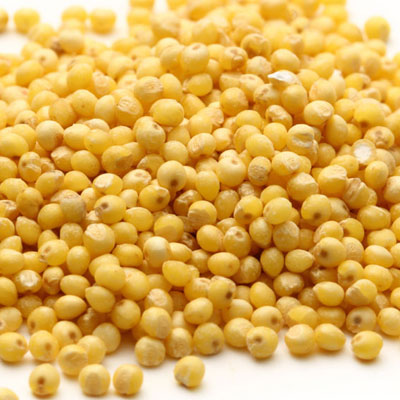
Millet
Millet is an ancient seed, originally cultivated in the dry climates of Africa and northern China since the Neolithic Era. (A few years ago, archaeologists discovered a 4000-year old bowl of millet noodles in northwestern China!) In time, millet spread throughout the world; the Romans and Gauls made porridge from it, and in the Middle Ages millet was more widely eaten than wheat. It is mentioned in the Old Testament as an ingredient for bread.
Before rice was widely consumed in Asia, it is thought that different varieties of millet were the staple grain in this region. For centuries it remained the leading grain. It is one of the hardiest grains and is therefore a staple food in regions with poor soils where other grains will not grow at all (e.g. parts of India, Africa, China and Russia). This legacy persists in the Chinese language, where the signs for ‘millet’ and ‘mouth’ together make the word ‘harmony’. It is a gluten free grain that in most cases is used as a whole grain.
Millet is a woefully overlooked grain, mildly sweet and nutty and so versatile it can be used in everything from pilafs to cookies. It has a soothing, comforting quality that makes it ideal for fall and winter meals.
Today, millet continues to be a staple for a third of the world's population. Ground millet is used in flatbreads, such as Indian roti and Ethiopian and Eritrean injera (made from teff, a variety of millet). In Eastern Africa, millet is used to make beer. It is also an ingredient in Eastern European fermented drinks and porridges.
In America and Western Europe, millet has mostly been relegated to bird and livestock feed. However, interest in the grain has been growing, especially in gluten-free diets. It's nutritious – providing fiber, iron, B vitamins, manganese, phosphorus, and magnesium – and highly alkaline, making it easily digestible and soothing to the stomach.
There are many varieties of millet; the primary types are called pearl, foxtail, proso, and finger. Yellow proso is the kind most often found pre-packaged or in bulk bins at health food stores. (Do buy millet intended for human consumption, as the millet sold for pet food still has the undigestible outer hull.)
How to cook millet
Millet is so versatile, it can be used in main dishes and desserts. It has a delicate nutty flavor and, depending on how it is cooked, a texture that can be crunchy or soft. We think the flavor complements winter squashes particularly well, making it a perfect grain for this time of year.
• To cook basic millet: Rinse and drain millet. In a medium saucepan, bring 2 1/2 cups water and 1 cup millet to a boil. Cover, reduce heat to medium-low, and cook 15 minutes. Remove from heat and let sit uncovered for 20 minutes. Toss with butter or olive oil and season to taste with salt, pepper, or herbs. Makes about 3 cups.
• For a softer texture similar to mashed potatoes, increase water to 3 1/2 cups and simmer, covered, until water is absorbed, about 45 minutes to an hour.
• For a nuttier flavor, toast the millet before cooking. Toast it in a dry skillet over medium heat, stirring constantly until fragrant, about 3 minutes.
• Leftover millet can be tossed into salads, stir-fried with tofu and vegetables, shaped into croquettes, or simmered with milk, honey, and cinnamon for breakfast.
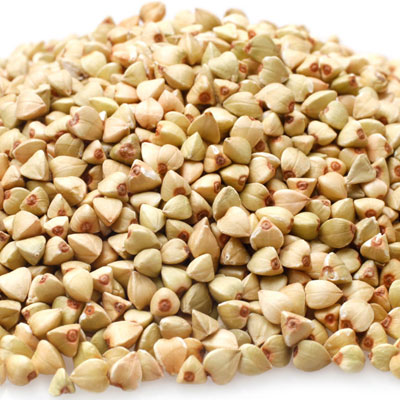
Buckwheat
Not belonging to the Poaceae botanical family, buckwheat is not classified as a ‘true’ grain, but rather a ‘pseudo-cereal’. Buckwheat is actually the seed of a flowering fruit that is related to rhubarb and sorrel. It's completely gluten-free and unrelated to wheat and all the grasses in the wheat family. So it's a popular substitute for wheat for those who are gluten-intolerant. It's also a plant known for its honey; the flowers are attractive to bees and its pollen produces a dark and uniquely flavored honey. Its nutritional profile, nutty flavour, appearance and culinary applications have led it to be commonly referred to as a grain.
Buckwheat has played an important role in diets around the world, mainly in Asia and Eastern Europe for around 8,000 years. It is neither a grain popular with bucks or a relative of wheat, but rather, its seeds so closely resemble the much larger seeds of the beech tree that the plant has been called “beech wheat,” or buckwheat, ever since.
Yeast-risen crêpe-like buckwheat galettes and heftier buckwheat pancakes have a sour note that pairs well with sweet jams and syrups, or even savory items like smoked salmon. And it's hard not to fall for Japanese soba noodles, served chilled with a salty-sweet dipping sauce, or hot in a flavorful broth. If you go the whole-groat route, just be careful to coat them in egg, oil, or butter and toast them in a pan before adding your water—otherwise, you'll wind up with a pot of mush.
Main culinary uses of buckwheat:
Buckwheat flour – may be used to make gluten free crepes and pancakes. Up to half the rice, bean, sorghum or soy flour in gluten free recipes may be used to make muffins, rolls, bread and cookies. Buckwheat flour also works well as a thickener for sauces, soups and casseroles.
Buckwheat groats – are dehulled buckwheat kernels. The groats are used in many dishes throughout the world. In Asia they are consumed as noodles, dumplings and as unleavened chapattis. In the USA and Australia, the main use has been in pancakes, although, buckwheat is increasingly being eaten in the form of noodles, various ethnic dishes and gluten free foods.
Kasha (toasted buckwheat groats) has a distinctive slightly sweet, musky flavor. It is often classified with grains but is really a three-sided fruit seed. A protein-rich, gluten-free food, kasha is high in dietary fiber and antioxidants and helps lower blood pressure and cholesterol. It complements richly flavored foods, such as caramelized onions, cured meats, nuts, and wild rice. In Europe, Kasha (toasted buckwheat groats) is used in dishes ranging from pilafs to mixtures with meat.
Soba noodles – buckwheat flour is mixed with wheat flour to produce Japanese noodles called ‘soba noodles’. The buckwheat flour content ranges from 50% to 80% depending on the type of noodle produced.
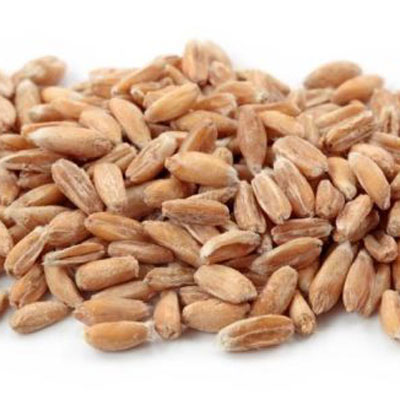
Triticale
Triticale is a cereal grain created by plant breeders. In the 1950s, plant geneticists hoped that a cross fertilisation of wheat and rye would produce a cereal with superior yield. The hardiness and disease resistance of rye was combined with the milling and baking qualities of wheat.
In 1970, the first commercial variety of triticale went on sale and triticale bread, flour and breakfast cereals became available. Triticale was hyped as a miracle crop during this time, but initial interest faded when crops were inconsistent and acceptance was slow. As such, triticale has not achieved its objectives to dominate as a grain for food production. Today in Australia triticale is found in a range of grain foods.
Main culinary uses of triticale:
Triticale flour – can be used to make biscuits, rye-type crispbreads, cakes and muffins. The flavour and texture of breads made from triticale are similar to that of light rye bread.
Triticale flakes – whole grain triticale is pressed and rolled, which than may be used like rolled oats to make a hot breakfast cereal or substituted for rolled oats in recipes (e.g. in cookies and muffins).
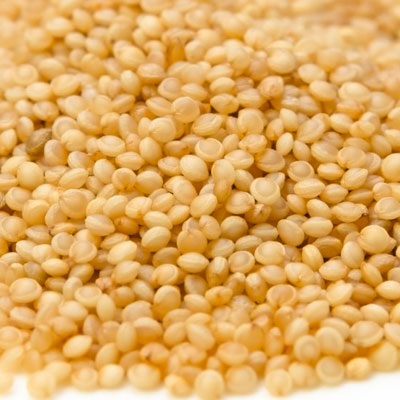
Amaranth
Like quinoa, amaranth is an ancient, protein-packed seed. The tiny poppy seed-size "grain" was a staple of the Aztecs and Mayans.
Amaranth is not a ‘true’ grain, but classified as a ‘pseudo-cereal’, as it’s not part of the Poaceae botanical family. However it is listed with other grains as its nutritional profile and uses are similar to ‘true’ cereal grains. Thanks to the lively, peppery taste of amaranth and the higher level of protein it contains compared to most other grains, amaranth is today rising in popularity. Amaranth is not grown in large quantities in Australia so most amaranth is imported. Amaranth is increasingly being used in Australia to manufacture gluten free foods like breakfast cereals and pasta, as sold in health food stores and major supermarkets.
Remarkably tiny and just slightly crunchy, amaranth* has a similar mouthfeel to tobiko (the minuscule fish roe you'll sometimes find on sushi rolls). And if you've ever shucked corn on the cob, you have a good sense of what it smells like—as soon as they hit the pan, the seeds release an intensely grassy aroma that translates to a slightly nutty, herbal flavor reminiscent of hay. On its own, that distinctive flavor can be a little overwhelming, but a touch of salt, lemon juice, and olive oil can work magic. Amaranth makes a great chilled taboulleh-style salad, but can also play nice with earthier warm ingredients like mushrooms or nutty cheeses. In many South American and South Asian cuisines, it's often cooked with additional water (up to 6 cups for a single cup of grain!) to make a glutinous breakfast porridge, or dry-popped and seasoned with either honey or savory spices as a snack or crunchy garnish.
Amaranth can be roasted, popped, boiled, and added to other dishes, making it a versatile pantry item. Here are some ways to incorporate it into your cooking:
• As a breakfast cereal. Simmered just right, amaranth has a sweetness and porridge-like consistency that make it a delicious cereal. Use a ratio of 1 1/2 cups liquid to 1/2 cup amaranth. (Yield: 1 1/2 cups cooked.) Place amaranth and water or apple juice in a small saucepan. Bring to a boil, then reduce heat and simmer, uncovered, until water is absorbed, about 20 minutes. Keep a close eye on it towards the end and then serve it right away, as it will turn gummy and congeal if overcooked or left to sit. Add fruit, nuts, cinnamon, and/or sweetener.
• Popped. Toast a tablespoon of amaranth seeds a time in a hot, dry skillet. Continually shake or stir until the seeds pop. Eat them as a snack or use them to top soups, salads, and vegetable dishes. We've also heard that popped amaranth can be used to bread tofu or meat but haven't given it a try yet.
• Combined with other grains. When cooked with another grain, such as brown rice, amaranth doesn't overwhelm with its sticky consistency but adds a nutty sweetness. Use a ratio of 1/4 cup amaranth to 3/4 cup other grain and cook as usual.
• Added to soups and stews. Take advantage of amaranth's gelatinous quality and use it to thicken soup. A couple of tablespoons added while the soup is cooking is usually sufficient.
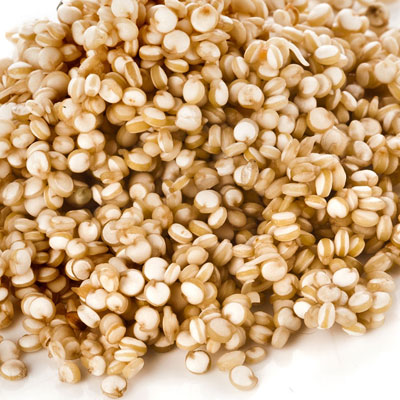
Quinoa
As for amaranth and buckwheat, quinoa (pronounced ‘keen-wah’) fits within the ‘pseudo-cereal’ group as it is not part of the Poaceae botanical family, in which ‘true’ grains belong. It’s loosely grouped as a ‘pseudo-cereal’ with other grains as it’s nutritionally similar and used in similar ways to ‘true’ grains. Technically, it's not a grain but a seed, though it is used in virtually all the same ways as other whole grains.
Quinoa originates from the Andes, where it has been cultivated by the Inca people for over 5,000 years. It is a small, typically light-coloured round grain (although it also available in other colours including red, purple and black), similar in appearance to sesame seeds.
To help ward off insects and birds, quinoa has a bitter residue of saponins, a natural occurring plant-defence. Most quinoa sold today has already been washed, but it is still advisable for consumers to thoroughly rinse the quinoa seeds under running water prior to cooking, so as to maximise the enjoyment of this pseudo-cereal. Nearly, if not all, of the natural bitterness of quinoa's outer coating can be removed by a vigorous rinsing in a mesh strainer.
Like other pseudo-cereals, quinoa contains significant amounts of all the essential amino acids. Quinoa is traditionally produced in South America in higher altitudes and cooler environments than Australia.
Most quinoa is packaged as red, black, or white, and while there are subtle distinctions between the three (red holds its shape a bit better, while black is slightly nuttier and sweeter) you can use them interchangeably. Use quinoa just as you would any other grain, like rice or barley! It makes a fantastic side dish for almost any meal, especially if you cook it with broth instead of water and add a bay leaf to the pot. Quinoa is good in a chilled salad, or really anything featuring bright, bold flavors—a squeeze of citrus, some tart tomatoes, a sprinkle of tangy feta, maybe a dash of fresh herbs—but in colder months, it makes a nice base for a hot meal of chicken and some bitter greens, mushrooms, and a fried egg. 1 cup dry quinoa yields about 3 cups cooked quinoa.
