Lobster Yield
There are two main types of lobster.
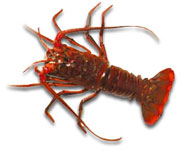
Clawless Lobsters - usually bought as frozen tails
“Spiny lobster” or “rock lobster” refer to some 40 species of clawless lobster found around the world. They generally range from 1 to 5 pounds, but can grow to 15 pounds. The vast majority of spiny lobster sold in the U.S. is sold as frozen tails, although much of the world harvest is sold live to Asian markets.
What are the yields on lobster tails?
The tail is 24% of the total lobster weight (hardshell).
The tail meat is 60-65% of tail weight. For example, if you picked out the meat in 100 pounds of lobster tails, you would have 60 to 65 pounds of meat.
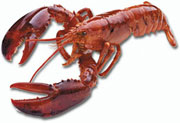
New England Lobster with Claws
American lobster are found from North Carolina to Labrador, with Maine and Nova Scotia typically being the biggest producers. Two related species are found throughout Europe and off the coast of Norway.
Estimated yield in cups from live American lobster: A 1 1/2 pound lobster yields approximately 1 1/3 cups of meat. A one-pound lobster yields approximately 2/3 cup.
In pounds, lobsters will yield approximately 28% of their overall weight when they are cooked and the meat is removed. So, for instance, 3 1-1/4 pound lobsters will yield about 1 pound of meat.
A tip from Alton Brown to get every last bit of meat from your lobsters: "to easily extract the meat from lobster legs, roll them with a rolling pin. Cut the ends off the legs and the meat will push out."
Lobster Season
Also see Hard Shell vs Soft Shell Lobster
In mid-May, when New England waters have begun to warm and the legal lobster season has opened in Canada, lobsters are hard shelled and absolutely delicious. They're feeding ravenously, bulking up and offering cooks unlimited possibilities.
By early July, lobsters molt, and their shells soften. The meat is sweet, but very delicate and mushy, best suited for boiling and picking for salads.
In October, lobster is great again: the new shells have hardened, and are full of buttery, sweet, firm meat. They remain that way until late December.
After that, they're semi-dormant until late March.
