Types of Rice
Rice is classified mostly by the size of the grain. Long-grain rice is long and slender. The grains stay separate and fluffy after cooking, so this is the best choice if you want to serve rice as a side dish, or as a bed for sauces. Medium-grain rice is shorter and plumper, and works well in paella and risotto. Short-grain rice is almost round, with moist grains that stick together when cooked. It's the best choice for rice pudding and molded salads. Other specialty varieties include Spanish rice for paella, glutinous rice for sushi and rice balls, and risotto rice for risotto.
Most varieties are sold as either brown or white rice, depending upon how they are milled. Brown rice retains the bran that surrounds the kernel, making it chewier, nuttier, and richer in nutrients. White rice lacks the bran and germ, but is more tender and delicate. It's less nutritious than brown rice, but you can partially compensate for that by getting enriched white rice. Brown rice takes about twice as long to cook as white rice.
Converted rice is beige. It tastes a lot like white rice, but it has more nutrients. Uncle Ben's is one brand of converted rice readily available. Instant rice, such as Minute Rice, is white rice that's been precooked and dehydrated. It's convenient, but expensive and bland.
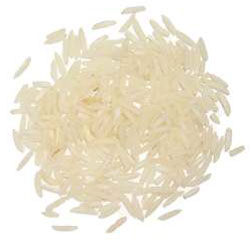
Basmati Rice
Pronunciation: bahs-MAH-tee
Notes: This aromatic, long-grain rice is grown in the foothills of the Himalayas and is especially popular in India. The cooked grains are dry and fluffy, so they make a nice bed for curries and sauces. Basmati is available as either white or brown rice. Brown basmati has more fiber and a stronger flavor, but it takes twice as long to cook. Aged basmati rice is better, but more expensive.
Equivalents: One cup dried rice yields three cups cooked rice.
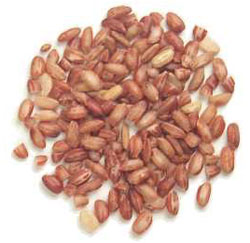
Bhutanese Red Rice
This red short-grain rice is a staple in rural areas of Bhutan, a small kingdom nestled high in the Himalayas. It has a strong, nutty flavor and is best served with other assertive ingredients. It cooks much faster than brown rice.
Substitutes: Wehani rice OR brown rice
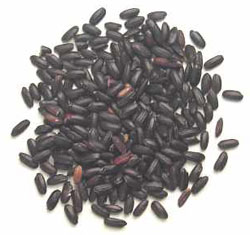
Black Rice
Black rice is a kind of sticky rice which is one of several black colored heirloom plants producing rice variants such as Indonesian black rice and Thai Jasmine Black Rice.
Black Rice is actually more purplish in color than black; although when uncooked it is very dark in appearance. This type of rice is usually sold ‘un-milled’, with the husk intact. Black rice is chewier and more intense than brown rice.
Up until modern times, Black Rice was not easy to come by; it had been highly treasured and protected in Asia for many centuries. According to ancient Chinese legend, black rice was so rare, tasty, and nutritious that only the emperors were allowed to eat it. It is also commonly used as a condiment, dressing, or as a decoration for different types of desserts in many countries around the world. High in nutritional value, black rice is rich in iron and high in fiber.
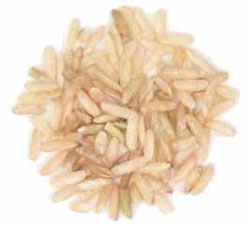
Brown Rice
Many rice varieties come as either brown rice or white rice. Brown rice isn't milled as much as white, so it retains the bran and germ. That makes brown rice more fiber-rich, nutritious, and chewy. Unfortunately, it doesn't perform as well as white rice in many recipes. Long grains of brown rice aren't as fluffy and tender, and short grains aren't as sticky.
Brown rice also takes about twice as long to cook as white and has a much shorter shelf life (because of the oil in the germ). Keep it in a cool, dark place for not more than three months. Refrigeration can extend shelf life.
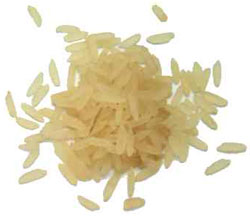
Converted Rice = Parboiled Rice
This is a good compromise between nutritious brown rice and tender, fast-cooking white rice. Converted rice is steamed before it's husked, a process that causes the grains to absorb many of the nutrients from the husk. When cooked, the grains are more nutritious, firmer, and less clingy than white rice grains. This makes it excellent for Jambalya. Uncle Ben's is a well-known brand.
Substitutes: brown rice (more nutritious, takes longer to cook) OR white rice (less nutritious, stickier, takes less time to cook)
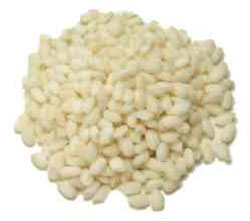
Glutinous Rice = sticky rice = sushi rice = sweet rice = Chinese sweet rice = waxy rice = botan rice = mochi rice = Japanese rice = pearl rice
Equivalents: One cup dried rice yields two cups cooked rice.
Despite its name, this rice isn't sweet and it doesn't contain gluten. Instead, it's a very sticky, short-grain rice that is widely used by Asians, who use it to make sushi and various desserts. You can buy this as either white or black (actually a rust color) rice.
Substitutes: risotto rice (works well in sushi) OR short-grain rice (This also works well in sushi, as long as you use white rice. Brown short-grain rice doesn't stick together as well.) OR medium-grain rice (Also good for sushi)
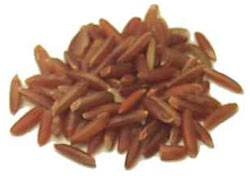
Himalayan Red Rice
This is a Himalayan version of our long-grain brown rice, only the bran is red, not brown.
Substitutes: long-grain rice
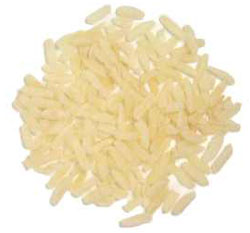
Instant Rice = precooked rice
This is white rice that's been precooked and dehydrated so that it cooks quickly. It's relatively expensive, though, and you sacrifice both flavor and texture. White instant rice cooks in about five minutes, brown in about ten. Minute Rice is a well-known brand.
Substitutes: long-grain rice (less expensive, more nutritious, takes longer to cook)
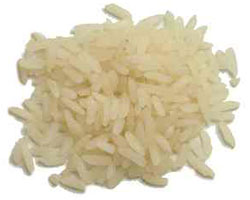
Jasmine Rice = Thai basmati rice = Thai jasmine rice
Equivalents: One cup dried rice yields three cups cooked rice.
Jasmine rice is a long-grain rice produced in Thailand that's sometimes used as a less expensive substitute for basmati rice. It has a subtle floral aroma. It often accompanies Thai and Vietnamese dishes. It's sold as both a brown and white rice.
Substitutes: basmati rice (Basmati rice has a longer grain, isn't as sticky, and takes slightly longer to cook.) OR popcorn rice OR patna rice OR other long-grain rice
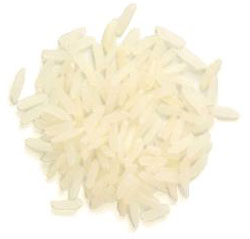
Long-grain Rice
Long-grain rice has slender grains that stay separate and fluffy after cooking, so this is the best choice if you want to serve rice as a side dish, or as a bed for sauces. American long-grain rice (which includes Carolina rice) has a somewhat bland flavor, and is what cookbooks usually have in mind when they call for long-grain rice.
Patna rice is a mild rice grown in India. Basmati rice, another Indian import, has a nutty taste and goes well with many Indian and Middle Eastern dishes. Jasmine rice is also aromatic, and usually less expensive than Basmati. It often accompanies Thai and Vietnamese dishes. Americans have crossed Basmati with American long-grain rice to get popcorn rice, which is milder and less expensive than basmati. Another hybrid is wild pecan rice. It's only partially milled, so it retains some of the bran and has a nutty flavor.
Substitutes: medium-grain rice (less fluffy, stickier)
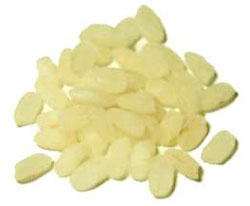
Medium-grain Rice
Medium-grain rice is shorter and stickier than long-grain rice. It's great for making paella and risotto. Substitutes: risotto rice (for making risotto) OR Spanish rice (for making paella) OR short-grain rice (for making puddings, rice balls, or sushi)
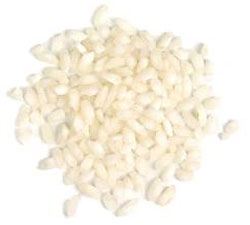
Risotto Rice = Piedmont rice
Varieties: This plump white rice can absorb lots of water without getting mushy, so it's perfect for making risotto. The best comes from Italy. Arborio is very well-regarded, but Carnaroli, Roma, Baldo, Padano, and vialone nano = nano are also good.
The highest Italian risotto rice grade is superfino. Lesser grades are (in descending order) fino, semi-fino, and commune. You can sometimes find brown risotto rice, which has more fiber and nutrients, but it isn't nearly as creamy as white risotto rice. Never rinse risotto rice--you'll wash off the starch that gives it such a creamy consistency.
Substitutes: Granza rice (shorter grain, works fine in risottos or paellas) OR short-grain white rice OR pearl barley (works well for risotto, but gives it a chewier texture) OR medium-grain white rice (may make risotto mushy)
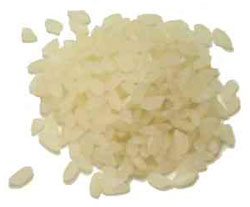
Short-grain Rice = round grain rice = pearl rice
This is sticky, though not as much as glutinous rice. It's a good choice if you're making sushi or rice pudding, and it also works pretty well in a risotto or paella. Brown short-grain rice isn't as sticky.
Substitutes: medium-grain rice (fluffier, less sticky) OR long-grain rice (even fluffier, even less sticky)
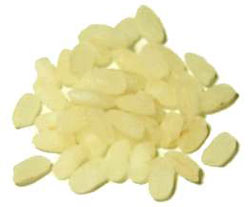
Spanish Rice = paella rice
This is a medium-grain rice that's perfectly suited to making paella. Varieties include include Granza rice, and the highly regarded (but difficult to find) Valencia rice.
Substitutes: risotto rice (This is very similar and is a good choice for making paella.) OR short-grain rice
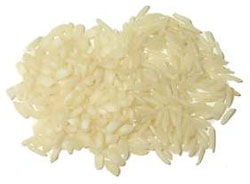
White Rice = polished rice = pearled rice
Most varieties of rice are processed into white rice at the mill, where the grains are scoured to remove the husk, bran, and part of the germ. This processing strips some of the nutrients, but make the rice tender and fast-cooking. Many producers sell enriched white rice, which restores some of the nutrients. If well-sealed, white rice can be stored almost indefinitely in a cool, dry place.
Substitutes: converted rice (more nutritious, takes longer to cook) OR brown rice (nuttier flavor, chewier, less fluffy, more fiber and nutrients, takes longer to cook)
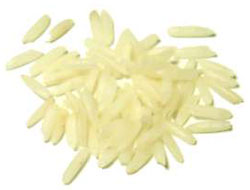
Wild Pecan Rice = pecan rice
Shopping hints: This chewy, nutty-tasting hybrid contains neither wild rice nor pecans. It's only partially milled, so it retains some of the bran and has a nutty flavor.
Substitutes: popcorn rice OR Wehani rice OR basmati rice OR brown rice
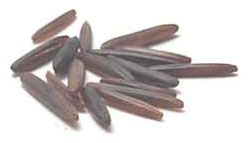
Wild Rice = Indian rice
Shopping hints: This isn't a rice, but rather a grass seed. Compared to rice, it's richer in protein and other nutrients and has a more distinctive, nutty flavor. The downside is that it's more expensive than rice and takes longer to cook. It's especially good with poultry and game. Cultivated wild rice isn't as expensive--nor as flavorful--as "wild" wild rice.
Substitutes: wild pecan rice OR brown rice (not as chewy or flavorful)
