Winter Greens
Swiss chard, kale and collards thrive in winter, as do beet, turnip and mustard greens. Frost lends a sweetness to kale, unavailable in warmer climes. And even if some of the more exotic greens, such as tat sad, red mustard or mizuma, may not be common in your region, at least a few are available.
Spinach, a winter mainstay, creates a dramatic backdrop in the salad bowl for all manner of toppings. Other young greens, picked when less than 3 inches long, also work well in salads, but more mature leaves generally need to be cooked - just until done so their sometimes bitter undertones do not overpower other ingredients.
Tossing greens into soups, stews or pasta sauces for 5 to 10 minutes toward the end of cooking provides taste and color unequaled by other vegetables. For a cabbage flavor, use kale; for beet flavor, use beet greens or Swiss chard; for a lemon flavor, sorrel's a hit; for a spicy bite, try mustard or arugula. The possibilities for using greens in the winter are endless.
| Arugula | Also known as rocket, arugula usually is served raw in salad mix and adds a spicy, toasted flavor. Larger leaves may be cooked. Best for those who like spice. Arugula Salad w/ Shaved Parmesan |
| Beet Greens | Beet greens taste very much like Swiss chard, are fairly tender and cook quickly by steaming, stir-frying or sauteing. |
Collard Greens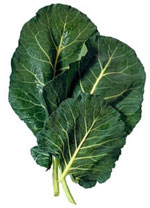 |
One of the tougher and more strongly flavored greens. Blanching quickly in simmering water prior to cooking in a recipe will help tone down any bitterness. Traditional in African-American cooking. |
Dandelion Greens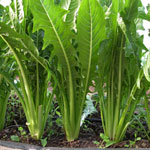 |
Often used in Italian cuisine, dandelion greens provide a bitter undertone. Your unsprayed lawn may yield some salad fixings. The young greens will add a bite to your salad, the older ones can be cooked and tossed in with milder greens like kale in most recipes. |
Escarole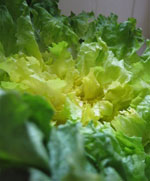 |
Looks like a curly lettuce but has a distinctive bite and a thicker texture. Escarole is commonly used in France and Italy in salads or braised on the stovetop or in the oven with a small amount of cooking liquid such as stock or wine. It is widely available in stores but tastes best when young and homegrown. |
Kale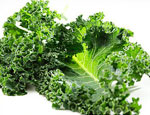 |
A member of the cruciferous vegetable family, related to cabbage, kale may be the oldest known green. It comes in many varieties which are usually not bitter, especially when winter weather sweetens it up. |
| Mizuma | A Japanese green with long pointy leaves, mizuma is one of the mildest greens. Can be used in salads or added to other greens when sauteed or stir-fried. |
| Mustard Greens | Comes in red or green. A tough, spicy cruciferous green often used in Southern cooking but also a terrific flavor-booster when young leaves are added to a salad. Young red mustard leaves also add a nice color to salads. |
| Sorrel | A wild green with a terrific lemony taste. Young leaves liven up salads and more mature leaves add a lemony flavor when cooked. Sorrel turns pea green when cooked so don't count on it for bright color. Add parsley to "green" up recipes using sorrel. |
| Spinach | A standard used frequently in recipes and available year-round. Good raw or cooked and may be substituted for many other greens in recipes, especially where color is important. Cooks more quickly than tougher greens like beet, kale, chard and collards, so adjust cooking times accordingly. *Steamed Greens |
| Swiss Chard | Comes in red and green varieties. Tastes like beet greens, with the red variety usually more tender. Separate the leaves and stem and cook the tougher stems first. Large leaves are great for stuffing. Can be used interchangeably with spinach or beet greens in most recipes. *Steamed Greens |
| Tat Soi | An Asian green with small rounded leaves that grow in a rosette pattern. Not at all bitter, they make great decorations, can be sauteed whole or with leaves separated, used in salads or added to sautes and stir-fries. |
| Turnip Greens | One of the heartier greens, somewhat spicy with a turnip taste. Remove leaves from the stems and discard stems. Turnip greens can be used interchangeably with kale, Swiss chard or beet greens, depending on the other flavors in the recipe. If really tough, these greens may benefit from blanching before cooking. |
