Types of Pasta
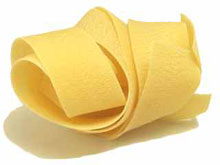 Pasta is the generic Italian name for many noodle-like pastes or doughs that are made in a wide variety of shapes and sizes. There are far too many different kinds than can be counted. The two main types are fresh pasta, or pasta fresca, and dried pasta, or pasta secca.
Fresh egg pasta is the most common fresh pasta and can be homemade or store-bought. It is more typical of northern Italy, where the land is fertile and eggs have generally been more plentiful and affordable. Southern Italians tend to rely more on dried pasta. Dried pasta is far less expensive to produce and keeps well in the hot, dry climate. In southern Italy, fresh stuffed pasta like ravioli and cannelloni are served more for holidays and special occasions.
Italians don't compare fresh egg pasta to dried pasta: one is not considered better than the other. They are simply different and the sauces that accompany them should respect that difference.
As a general rule, factory-made pasta carries a sauce while a homemade pasta absorbs it. The firmness and grainier texture of dried pasta make it the first choice with an olive-oil based sauce, a light tomato or vegetable sauce, or a seafood sauce. Fresh pasta usually makes a more pleasing match with seafood, meat, or vegetable sauces that are based on butter and often enriched with milk or cream. Your choice of sauce will also be affected by the shape of the pasta. Although there are exceptions, if you choose a light sauce match it with a thinly shaped pasta. For a heavier sauce, such as a chunky meat sauce, it is best to use a larger size pasta, such as penne or rigatoni.
Fresh Pasta (pasta fresca)
The fresh pasta that enjoys uncontested recognition as Italy's finest is that of Emilia-Romagna. Here melted butter accented with sage is a common sauce. Cream sauces are popular also and vegetable and light tomato sauces are made during the warmer months. The basic dough for homemade fresh pasta consists of eggs and all-purpose flour. No salt, olive oil, or water is added. The only other ingredient that may be used is spinach or Swiss chard for green pasta dough.
Fresh egg pasta is often cut into strands that vary in width, such as fettuccine, pappardelle, and lasagne. It is also filled with meat, cheese, or vegetables to create ravioli, tortellini, and cannelloni. In Emilia-Romagna, where Parmigiano-Reggiano is also made, freshly grated cheese is usually grated over the completed dish.
The Piedmont area, near the border of France, is also known for its fresh egg pasta. Here egg yolks only are blended with flour to make the dough. This results in a very refined flavor and texture and is most often cut into strands. This pasta can be served simply with a butter sauce and thinly sliced truffles that are native to this region.
Fresh pasta can also be made without eggs. In Apulia, semolina flour is mixed with water and shaped into orecchiette, which is pinched with the thumb, or cavatelli, which is rolled into a cylinder. In Sicily, it is also rolled around a knitting needle to make fusilli. The Sicilians also make a fresh pasta for cavatelli or gnocchi that is made from flour that is mixed with ricotta cheese.
Dried Pasta (pasta secca)
Dried pasta is also sometimes referred to as factory-made pasta. The finest dried pasta is made from golden semolina flour ground from durum wheat and mixed with water. Once shaped, the pasta must be fully dried before it can be packaged. Good quality dried pasta should have a slightly rough surface and compact body that maintains its firmness in cooking, since it swells considerably in size when cooked.
Typical sauces for dried pasta are based on olive oil rather than butter. But as some of the recipes bear out, there are several butter-based sauces that combine well with dried pasta. In southern Italy, dried pasta is most often married with a tomato sauce, which may be plain or with meat, seafood, or vegetables.
Roman Pastas
The traditional pastas of Rome are marked by elegant simplicity. While we may associate them with high-end trattorias today, these dishes were born of necessity — true relics of la cucina povera. Minimalist by nature, they rely on inexpensive, high-impact ingredients to stretch resources without sacrificing flavor. Four key sauces form the Roman pasta tree, beginning with cacio e pepe, the mother sauce, made with just Pecorino Romano and black pepper. Gricia brings guanciale into the mix; made from pork jowl, this once-overlooked cut renders enough rich fat that expensive olive oil isn’t needed. Add egg yolks to gricia and you have silky carbonara; add tomatoes instead, and it’s amatriciana.
While many la cucina povera dishes feature bread or legumes, pasta holds a special place in this tradition. These recipes were designed to feed large families using cheap pantry staples, vegetable scraps, or inexpensive cuts of meat, transforming everyday starch into culinary masterpieces.
Not every Roman pasta belongs to the cucina povera tradition, however. Dishes like fettuccine Alfredo originated in Rome, showcasing another side of the city’s pasta tradition.
Pasta Carbonara (Lazio, region around Rome)
When meat was too expensive, home cooks relied on garlic, herbs, cheese rinds, and cheap pantry staples to give pasta massive flavor. : While luxury versions use high-end ingredients today, it originated as a hearty, cheap meal for coal miners (carbonari). It relies entirely on cured pork jowl (guanciale), eggs, pecorino cheese, and black pepper.
Spaghetti Carbonara with Green Peas: Adding green peas to Spaghetti Carbonara (Spring Variation) is not traditional. Many home cooks and chefs add fresh or frozen peas during spring for a sweet flavor and bright color.
Pasta Cacio e Pepe (Lazio)
A Roman classic requiring just three ingredients: pasta, black pepper, and Pecorino Romano cheese. The starch from the pasta water emulsifies the cheese into a luxurious sauce without needing butter or cream.
Rigatoni Amatriciana
Perciatelli alla Gricia
The ancestor to carbonara and amatriciana. It uses only two main ingredients to flavor the pasta: rendered guanciale fat and sharp pecorino cheese.
Fettuccine Alfredo
Pasta e Ceci (Pasta with Chickpeas)
Classic example of la cucina povera (peasant cooking) from Italy, specifically rooted in Rome and the Lazio region. Historically, chickpeas were used as an affordable meat substitute during religious fast days like Lent and Fridays. It is traditionally cooked as a one-pot meal where the dry pasta simmers directly in the chickpea broth, releasing starches to create a naturally creamy texture.
Rigatoni with Pork Ragù and Fresh Ricotta
Southern Italian "Poor Man's" Pastas
Pasta con la Mollica / Pasta Mollicata (Basilicata & Calabria): Often called the "poor man's parmesan." Grated cheese was too expensive, so stale breadcrumbs (mollica) were fried in olive oil with garlic and anchovies, then tossed over pasta to provide a crunchy, savory topping.
Orecchiette con Cime di Rapa (Puglia): This dish pairs thick, handmade ear-shaped pasta with inexpensive, bitter broccoli rabe, garlic, chili, and a few cheap salted anchovies melted into the oil for depth.
Legume-Based Pastas
Pasta e Fagioli: A rustic staple found across Italy. It utilizes cheap cannellini or borlotti beans, often flavored with a single piece of leftover pork skin or a cheese rind.
