The Right Pasta for Every Sauce
from https://www.foodandwine.com/ and https://www.vincenzosplate.com/
There’s an art to pairing pasta with the right sauce. Whether you’re blitzing handfuls of herbs into a quick pesto, or slowly simmering marinara on the stovetop, the size and shape of your pasta will affect the final dish.
“It’s all about balance. The pasta shape should complement the sauce,” says Renato Poliafito, owner of New York City restaurants Pasta Night and Ciao, Gloria, and author of Dolci!. For instance, ridged rigatoni have nooks and crannies that capture the meaty morsels in a ragù, while delicate pastina would quite literally get lost in the sauce.
Here’s how to choose the right pasta every time for any kind of dish.
Also see Italian Pastas
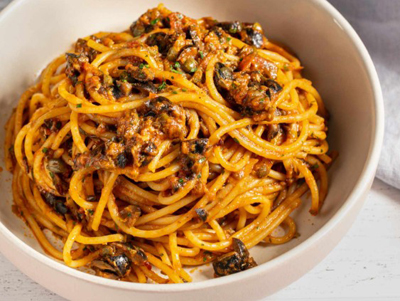
Puttanesca
When to use long, thin pasta
Silky sauces cling to the long strands and infuse them with flavor.
Long, thin pasta shapes like spaghetti, linguine, or Capellini (angel hair) have an elegant simplicity that makes them ideal for light and silky sauces. Their long noodle shape pair beautifully with tomato-based sauces like marinara or olive oil-based classics like aglio e olio. The reason, is that their delicate structure allows the sauce to cling just enough, creating a balanced bite every time. That’s why you traditionally see passata (pureed tomato), aglio e olio (garic and oil), or carbonara served with spaghetti.
Take vongole (clam sauce), for instance. It has minimal sauce but lots of flavor, and long pasta soaks up just enough while keeping a light texture. Fusilli or penne wouldn’t work—they’d absorb too much, making the dish dry and needing extra EVOO. If you’re not a fan of long pasta, try gnocchi! In Abruzzo, smaller gnocchi are often paired with vongole for a unique twist.
Long pasta also shines in recipes like puttanesca (capers, black olives, anchovy fillets), lemon pasta, cacio e pepe (pecorino cheese and black pepper), and carbonara. Spaghetti is the undisputed champion for carbonara and cacio e pepe, perfectly coating each strand.
But for Alfredo or creamy pesto, broader noodles like tagliatelle or fettuccine work best, holding onto the sauce for a richer bite. Spaghetti in Alfredo sauce, on the other hand, might feel a bit off. It doesn’t have the surface area to hold onto that luxurious creaminess, so the sauce can end up pooling around it. Trust me—fettuccine is your best bet for Alfredo. It’ll soak up all that velvety sauce without overwhelming the dish.
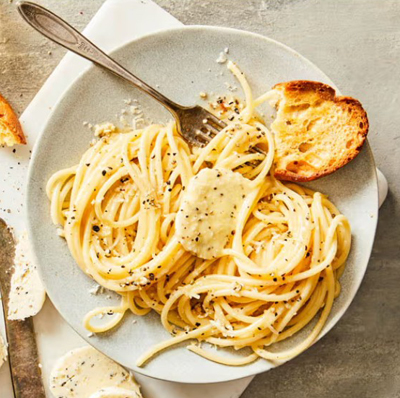
Cacio e pepe with buccatini
Long Tube-Like Pasta (Bucatini)
Bucatini is a pasta lover’s dream—a thicker spaghetti with a hollow centre that adds a surprising twist to every bite. This tube-like pasta is practically made for bold, flavour-packed sauces. It’s not my favourite, but it is no question it is iconic served with amatriciana. This classic Roman sauce combines smoky guanciale (pig cheek), tomatoes, and a hint of chili for a sauce that clings beautifully to the pasta, with just enough slipping into the hollow centre for an extra burst of flavour in every forkful.
Bucatini is also a brilliant choice for cacio e pepe, another Roman favourite. The thick strands hold the silky combination of pecorino cheese and black pepper perfectly. However, bucatini isn’t as flexible as some other shapes. Creamy or chunky sauces tend to overpower its thicker texture and shape. When using this pasta shape, stick to simple sauces, and you’ll find it pairs better.
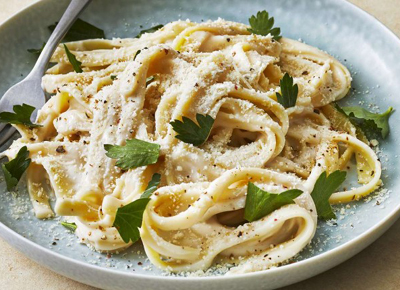
Fettuccine Alfredo
When to use long, wider pasta
Long, wide pasta shapes like pappardelle, tagliatelle, and fettuccine are made for hearty, robust sauces like Bolognese. They have enough heft to hold their own in all that meaty richness, and lots of surface area to soak up flavor. Think wild mushroom ragù, or a rich sausage and mushroom mix. Their broad surfaces are perfect for holding onto chunks of meat, mushrooms, and all that luscious sauce, making every bite perfectly satisfying.
Using spaghetti for beef ragù? Not a good idea. The sauce tends to slide right off, and even linguine struggles to handle the weight of those hearty ingredients. Long, wide pasta is simply better at scooping up everything, ensuring none of that delicious sauce gets left behind.
These pastas also shine with creamy, velvety sauces like Alfredo or truffle cream. Their shape and texture soak up the richness, giving you a forkful of creamy deliciousness every time. If you’re dealing with thicker, creamier, or heartier sauces, this is the pasta you want on your dish!
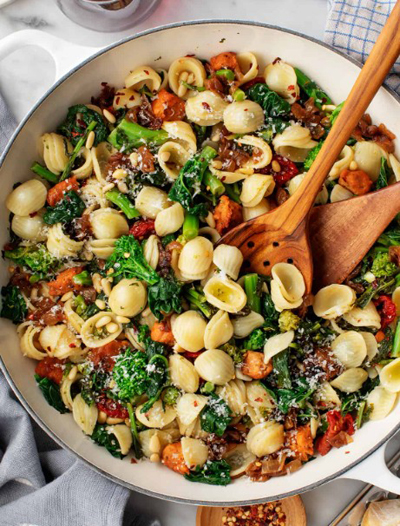
Orecchiette with Broccoli Raab
When to use small shape pasta
Short pasta shapes like farfalle, macaroni, and orecchiette (little ears) are perfect foils for richly textured sauces or any dish studded with chunky items like shrimp, chopped vegetables, or olives. “The shape catches all that sauce, so every bite is packed with flavor,” says Christopher Cipollone, chef-owner of Francie in Brooklyn, New York. At Francie, cooks top farfalle with a luscious short rib ragù so that the velvety sauce gets trapped in the bowties’ ridges. You can also pair farfalle with charred broccoli florets or crumbled sausages, or try orecchiette (little ears) with veal and capers.
Spiral or Twisted Pasta Spiral pastas like trofie and fusilli are ideal for sauces that cling to them all-around. Traditional Genovese pesto is a natural pairing for trofie, as its twisted shape captures every bit of the herbaceous, nutty sauce. Trofie also pairs beautifully with tomato-based sauces, like one made with sun-dried tomatoes and pesto for a sweet and tangy twist. Or try it with a creamy mushroom sauce for something earthy and rich.
Fusilli is a pasta shape that doesn’t hold much sauce inside its twists, but it’s incredible when paired with chunkier, heartier sauces. Its spiral design grabs just enough sauce to coat the surface, making it perfect for dishes where the focus is on the combination of textures. Fusilli pairs beautifully with chunky sauces mixed with vegetables like mushrooms, capsicum, and zucchini. The spirals act as the perfect carrier for the sauce and vegetables.
That said, fusilli isn’t ideal for something like beef ragù. Those delicate little spirals don’t hold heavy, finely minced sauces very well. You’d spend more time chasing beef around your plate than enjoying the dish! Still, when it comes to tuna pasta, fusilli is my go-to, and for pasta salad it is always a winner. It’s unfussy, reliable, and somehow makes a humble can of tuna feel fancy. Who wouldn’t love that?
Thinner sauces like passata (sort of like tomato puree) can be overpowered by short, stocky pasta shapes, however. Worst-case scenario, the pasta is so sturdy that all you taste is starch — not the delicate sauce you worked hard to prepare.
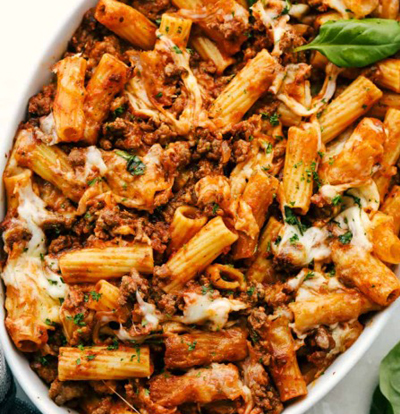
Baked Rigatoni
Tubular pasta
Tubular pasta, like penne, ziti, and rigatoni, is the jack-of-all-trades in the pasta world. These shapes can handle chunky vegetable or meat sauces with ease, making them perfect for dishes like pomodoro (tomato sauce), arrabbiata (tomato with red chili), Bolognese (meat ragu), or pasta al forno (baked pasta, such as Rigatoni. That’s why we pair rigatoni with small cauliflower florets and crispy capers: the smaller ingredients get caught in the tubes of the pasta, so you aren’t stuck desperately trying to spearing a caper with your fork.
They’re also great for creamy sauces like vodka sauce or a basil pesto cream. Mac and cheese is another great case study, as the rich béchamel coats each morsel of macaroni. Similarly, baked ziti has lots of holes and ridges for the cheese and ground beef to fill. Tubular pasta is the reliable friend who’s always up for anything… well, almost anything
When it comes to sauces like Linguine Con Vongole (clam sauce), though, tubular pasta is a bit out of its comfort zone. The hollow centers can trap bits of shell or smaller ingredients, making for an unpleasant surprise in each bite. Stick to long pasta for those recipes to avoid any mishaps!
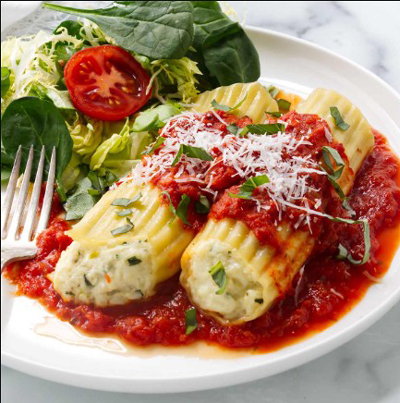
Stuffed Mannicoti
Larger tubes
Now, let’s talk about the bigger tubes: cannelloni and manicotti. These pasta shapes are made for baking—and they’re showstoppers. Whether stuffed with ricotta and spinach or packed with hearty meat, they’re best enjoyed smothered in rich tomato sauce, creamy béchamel, or both. Let’s be real: you’re not going to snack on plain, unbaked cannelloni. It’s all about that gooey, bubbling top layer from the oven which makes these, perfection! And, while large shells don’t technically have holes, they provide big, concave areas to fill.
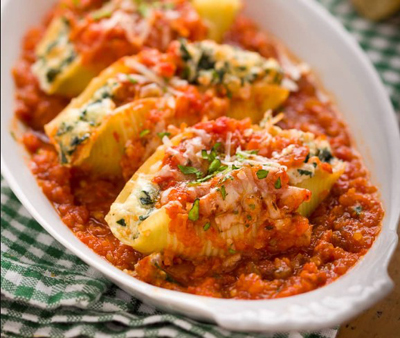
Stuffed Shells
Shell shaped pasta
Conchiglie and its larger cousin, conchiglioni, are some of the most versatile unique pasta shapes out there. Shaped like little pasta shells, they’re perfect for capturing all kinds of deliciousness inside their curves. Small conchiglie are wonderful for hearty, thick sauces that cling to every inch of them. Think creamy tomato sauces, rich meat ragù, or even a basil pesto. Their unique shape also makes them ideal for soups like brodo, minestrone, or pasta e piselli (pasta with peas). The shells scoop up just enough liquid and ingredients in every spoonful, giving you a perfect balance of textures and flavours.
For something extra special, conchiglioni (stuffed shells) are made for stuffing. Ricotta mixed with spinach is a classic filling, but you can also get creative with sausage, mushrooms, or even seafood. Once stuffed, they’re baked in a rich tomato sauce, and topped with a creamy béchamel.
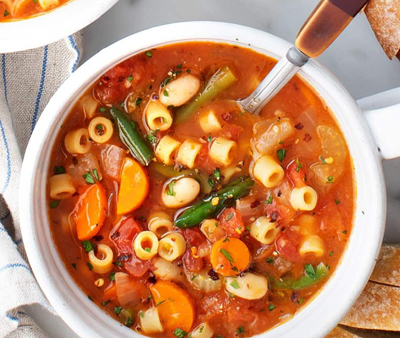
Minestrone with Ditalini
When to use pastina ("little pasta")
Let’s not forget pastina, the tiniest pasta shapes that hold a special place in the hearts of Italians. It comes in various shapes such as stars (stelline), tiny tubes (ditalini), and little spheres (acini de pepe). Most kids in Italy grow up eating these little stars, rings, or dots in simple soups—comfort food at its finest. Once your broth is ready, you can cook them directly inside (or on the side, then strain and add to warm broth, as they can soak up a lot of liquid, especially if left for too long). Take ditalini, for example. Its short, tube-like shape makes it an absolute star in soups like minestrone. Their tininess makes them easy to spoon up alongside similarly sized items like vegetables or beans, and the broth infuses them with flavor.
Some pastina, such as, ditalini and orzo (or risoni as it’s also known) are great for making pasta salads, or even light pasta dishes. If you haven’t tried pasta with lentils yet, you’re missing out—ditalini works beautifully in this comforting, light broth-based pasta dish. It has just the right bite to add texture without overpowering the broth. Then there’s orzo, a crowd-pleaser in both soups and summer salads. In Australia, orzo salad is a summer staple, tossed with fresh veggies extra virgin olive oil, and even some fresh lemon —it’s refreshing and easy to whip up. Or, for a more indulgent option, pair orzo with a lemon butter sauce and loads of Parmigiano or Pecorino. Sure, fettuccine can handle that sauce too, but there’s something about the way small pasta shapes soak up the flavour.
Pastina isn’t ideal with hearty meat or cream sauces, however. You won’t be able to taste (or sometimes even see!) the tiny pasta within the thick, luscious sauce.
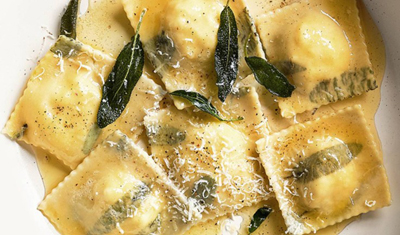
Ravioli with Sage Butter Sauce
Filled pasta
Filled pasta like ravioli, tortellini, and other delicious pockets of goodness are a little like the royalty of the pasta world. These little bundles are packed with flavour and need just the right sauce or broth to let their fillings shine. Light sauces, such as a simple butter and sage sauce, are a classic choice. They coat the pasta delicately, allowing the flavour of the filling—whether it’s spinach and ricotta, pumpkin, or meat—to really stand out.
If you’re after something more indulgent, cream-based sauces like a four-cheese blend pair beautifully with ravioli or tortellini. For a lighter, broth-based option, tortellini served in a chicken broth are a big favourite in Italy during the winter season. It’s warm and comforting, which is perfect for those chilly days. Add a sprinkle of grated Parmigiano and a crack of black pepper, and you’ve got a dish that feels like a warm hug in a bowl.
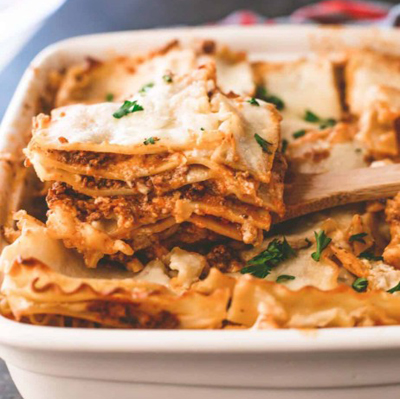
Lasagne Bolognese with Bechamel
Flat & ribbon pasta
Flat pasta, like lasagna sheets, are a classic that deserve to be celebrated for exactly what they’re meant to do—make lasagna! Sure, chefs like Gordon Ramsay and Jamie Oliver might cut them up to create maltagliati (which translates to “badly cut”), and while this can definitely work, let’s not forget there are something like over 500 other pasta shapes to explore.
Lasagna ribbons or sheets are perfect for their original purpose: layering into a rich and hearty lasagna. Use a slow-cooked Bolognese sauce, alternate with creamy béchamel, and bake until bubbly and golden. This is a dish that doesn’t need reinvention—it’s perfection just the way it is.
