Barbecue Sauces: American Regional Variations
Barbecue is not like other cuisines. While it is certainly true that the practice of smoking meat has many analogues in almost all other cultures, barbecue as it exists in the United States, and especially in the South, is uniquely American. The word itself describes something beyond, and more profound, than a simple cooking technique or a type of restaurant. Barbecue means different things in different regions, finding disparate geographic expression. And despite the protestations of the most militant adherents to one style or the other declaring theirs the only true 'cue, it is precisely the diversity of form — and the very undulation of the meaning of the word itself — that make it as close to a national cuisine as America has.
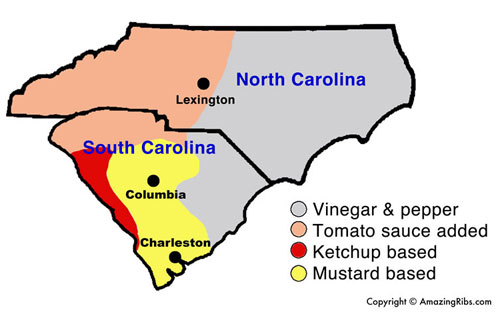
The traditional American barbecue belt stretches from the Carolinas in the East to Texas and Missouri in the West and from Kentucky in the North down through the deep South. While state lines de-mark significant political and civic parameters, barbecue is not quite so parochial, despite the common stereotype. What we see in the Carolinas, for example, are wide swaths of a particular style — most significantly defined by the sauce used — that tend to cross states lines. The simple vinegar and pepper sauce of eastern North Carolina is also popular in the the eastern part of South Carolina. And similarly, the tomato and vinegar-based sauce of the western Lexington style bleeds into the Northwestern part of of South Carolina and indeed into Eastern Tennessee and Southern Kentucky.
The origins of American barbecue date back to colonial times, with the first recorded mention in 1610, and George Washington mentions attending a "barbicue" in Alexandria, VA in 1769. As the country expanded westwards along the Gulf of Mexico and north along the Mississippi River, barbecue went with it.
To most Americans, barbecue sauce is red and sweet and it comes from a shelf near the ketchup. To those who travel and would rather lunch in back of a rickety shack under a shade tree rather than under the golden arches, barbecue sauce comes in a rainbow of colors and flavors, and they are tied to the area of origin. Indeed, barbecue sauce is a cultural phenomenon.
In half of North Carolina barbecue sauce is practically clear with cayenne pepper flakes that flurry in it like a snow globe. In other parts of the state it is practically pink. In much of South Carolina it is yellow. In many dingy brown joints of Texas it is close to brown with big chunks of green peppers and other flotsam in it. And in a corner of North Alabama it is white with black pepper flecks. In Memphis the "sauce" comes from a shaker and is no more liquid than the paprika that is its backbone.
Needless to say, American regional barbecue is highly diverse. Barbecue in the South almost always means pork, with a few exceptions; beef is most often the meat of choice for Texas barbecue and mutton is commonly used in some areas of Kentucky. Even within regions, there is often some variation. For example, Texas sauces often use coffee, but not always; Alabama has an unusual liking for mayonnaise based bbq sauce, but other sauces are standard tomato based.
While the wide variety of barbecue styles makes it difficult to break barbecue styles down into regions, there are four major styles commonly referenced. The four major styles are Memphis and Carolina, both of which rely on pork and represent the oldest styles, and Kansas City and Texas, which utilize beef as well as pork, and represent the later evolution of the original deep south barbecue. Pork is the most common meat used, followed by beef and veal, often with chicken or turkey in addition. Lamb and mutton are found in some areas, such as Owensboro, Kentucky, and some regions will add other meats.
Memphis
Memphis barbecue is primarily two different dishes: ribs, which come "wet" and "dry", and barbecue sandwiches. Wet ribs are brushed with sauce before and after cooking, and dry ribs are seasoned with a dry rub. Barbecue sandwiches in Memphis are typically chopped pork served on a simple bun and topped with barbecue sauce, and cole slaw. Of note is the willingness of Memphians to put this chopped pork on many non-traditional dishes, such as spaghetti, pizza or nachos.
In the eastern part of Tennessee, chopped whole hog and pork shoulder with a vinegar-based sauce are popular, and reflect the westward migration of the barbecue tradition from the Carolinas. Tennessee barbecue is most clearly defined in Memphis.
In Memphis you'll find everything from two styles of ribs (dry and wet) to sliced or chopped pork sandwiches, to anomalies like barbecue spaghetti and barbecue bologna. Dry ribs are coated with a spice rub before they’re cooked; wet ribs have been sauced before smoking. Ribs can either be whole spare ribs, St. Louis-cut ribs (the spare ribs minus the rib tips), or even baby backs, which some barbecue purists scoff at (as they're leaner, with less delicious fat).
Memphis is a city that takes great pride in its barbecue and is probably best known for its dry barbecue. Baby back or spare ribs are thickly coated with a spicy dry rub made with paprika (main ingredient), cayenne, black pepper, garlic and onion powder, and a little brown sugar and left to soak up the flavors overnight. They're then smoked until they are fall-off-the-bone tender (some pitmasters keep the ribs moist during cooking with a vinegar and mustard-based mop sauce) and sprinkled with more rub before serving. These are called "dry" ribs. "Wet" ribs, preferred by some, are brushed with a sauce about 30 minutes before taking them off the grill. Typically, dry ribs are served with a sauce on the side for those who want it.
Memphis Barbecue Sauce has its own distinctive flavor, as well. Though the specific ingredients will vary from cook to cook, Memphis sauce is usually made with tomatoes, vinegar, and any countless combination of spices. It is generally thin, tangy, and somewhat sweet. Memphis sauce is poured over pulled pork or served along side of dry ribs.
You’ll also find sliced pork shoulder sandwiches in Tennessee, among other subspecialties. In central and western Tennessee, it's the whole hog plate or the pork sandwich.
Memphis Style Ribs (vinegar baste, served "dry" w/ sauce on side)
The Carolinas
Also see A Very Brief History of the Four Types of Barbeque Found In the USA
Here, barbecue is all about pork: Whole hogs are sometimes barbecued for a "pig pickin'," but the most common cut is shoulder (also known as Boston Butt). The meat is left naked or rubbed with a mixture of paprika, salt, sugar, and other seasonings, and then smoked for six to eight hours over oak or hickory—during that time, some pitmasters keep the meat moist with a vinegar-based mop sauce. After cooking, the meat is "pulled" (hand-shredded) or chopped, but sometimes sliced, and doused with a spicy, vinegary sauce—nothing sticky or sweet!
There are two major traditions in North Caroline barbecue, separated by Route 1, extending north and south from Raleigh.
In northeastern North Carolina, barbecue is made by the use of the "whole hog", where the entire pig is barbecued and the meat from all parts of the pig are chopped and mixed together. The sauce is a vinegar-pepper sauce - thin and clear, made with white or cider vinegar, with hot red pepper flakes, salt, and a bit of sugar. The pig is cooked low and slow over hickory before the meat is roughly chopped and served as a sandwich or on a plate or cardboard trays.
In the western part of the state, barbecue is made from only the pork shoulder, which is mainly dark meat, and uses a thicker sweetened tomato- or ketchup-based sauce. Western North Carolina barbecue is also known as Lexington barbecue, after the town of Lexington, North Carolina, home to many barbecue restaurants and a large barbecue festival, the Lexington Barbecue Festival. The Lexington style is just the pork shoulder (or its smaller first cousin, a Boston butt), pulled and then chopped up, along with some of the crisp, fatty cracklings from the pig's exterior, with sauce based on tomato as well as vinegar. It’s often topped with slaw and served on a bun.
In South Carolina, as well as in southern North Carolina, the sauce is bright yellow and contains vinegar, ballpark mustard, and a sweetener such as sugar, molasses, or honey. Carolina barbecue is traditionally eaten on a bun with a mayo-less coleslaw that's made with the same sauce that goes on the pulled pork.
The "mustard belt" stretches from Charleston, SC to Columbia, SC. But other types of sauces abound from a simple vinegar to ones tinged with ketchup. In the eastern part of the state, the barbecue is largely indistinguishable from that of the eastern style of its neighbor to the North (whole hog served with a simple vinegar and pepper sauce). In the west, we find some bleed-over from the "Lexington Style" of North Carolina. And in the Southwestern part of the state, barbecue sauce with a significant ketchup component dominates. Pork is used almost exclusively throughout the region.
On the coast of North and South Carolina, a.k.a. "East Carolina" or the "Low Country", the philosophy is "Whole hog and keep the mustard for your hot dogs and the ketchup for your fries." The African slaves of the Scottish settlers in the region pioneered American barbecue and their simple sauces were plain a kiss of hot pepper flakes and ground black pepper in vinegar. And so they remain today, where the sauce is used both as a mop or baste on the meat while it is cooking, and then as a finishing sauce at tableside. Thin and piquant, they are designed to penetrate the meat, not just sit on top as thicker ketchup and mustard sauces do so they are used both as a baste during cooking as well as a finishing sauce. They do a great job of cutting the fat in lipid-laced pork. There is little or no sugar in the mix.
So in the Carolinas, we can see barbecue sauce comes in a rainbow of colors and flavors. In the eastern half of North Carolina barbecue sauce is practically transparent with cayenne pepper flakes that flurry in the bottle like a snow globe. In western half of the state it is pink going on garnet from tomato sauce. In much of South Carolina it is yellow from mustard, popular with German settlers.
*Carolina Pulled Pork (Lexington Style - vinegary sauce w/ ketchup)
*South Carolina Mustard Barbecue Sauce
Northeastern Carolina Barbeque Sauce for Pulled Pork (vinegar, with hot red pepper flakes, salt, and a bit of sugar)
Kansas City
Kansas City is one of the capitals of American barbecue, and ribs, brisket, and burnt ends are its currency. Kansas City has more than 90 barbecue joints: It rivals Memphis as the capital of American 'cue. Pork ribs are popular in Kansas City, too, but so are other cuts of pork, as well as chicken and beef and even beans all find their way into Kansas City pits. Burnt ends, which are double-smoked caramelized hunks of brisket, originated in Kansas City. But the city is perhaps best known for the barbecue sauce, a thick molasses and tomato sauce similar to the Memphis style but sweeter and darker, again reiterating the city's diversity.
However, it's not the only style here. Interestingly, the first Kansas City barbecue sauces were probably hot, mostly vinegar and pepper. Evidence is that this was the case for Henry Perry's sauce, and he started it all in 1907 in the city that is known as the capital of barbecue in the world.
One of Kansas's best and most famous barbecue joints, Arthur Bryant's, serves a tart vinegar and paprika sauce. Arthur Bryant's has been one of the iconic barbecue joints since 1930, perhaps the most holy of them all in the city that means barbecue more than any other, and they have been making a tomato based sauce that is thick, intense, with a solid black pepper and garlic theme. No noticeable sweetness or liquid smoke flavor. Nada. This is probably because the Arthur and Charlie Bryant were disciples of Perry. Sides of choice? Beans with shards of meat and killer skin-on fries. Sides figure heavily in Kansas City barbecue culture.
Although the original KC sauces were probably vinegary, hot, and not sweet, similar to Arthur Bryant's Original Barbeque Sauce, since the 1970s, the prototype has been KC Masterpiece -- tomato based, and sweet. The style has spread coast to coast and nowadays, when you say "barbecue sauce", although there remain many regional and creative styles, most people think of the KC style.
The most famous supermarket brands in this classic Kansas City style are KC Masterpiece and Sweet Baby Ray's. The best are brass bands with multiple layers from several sources of sweetness (tomato paste or ketchup, brown sugar, molasses, and/or honey); multiple sources of tartness (among them vinegar, lemon juice, hot sauce, and steak sauce); multiple sources of heat (American chili powder, black pepper, mustard, and hot sauces are common); and they get layers of flavor from all the above as well as Worcestershire, garlic, onion, cumin, and salt. Many have liquid smoke added to help create that outdoor flavor for folks who cannot cook outdoors.
Here, many pitmasters use a dry rub (as in Memphis), but they don't tend to use mop sauces. Barbecue sauce really matters here—-it’s not just a way to add flavor to less delicious meat, it’s integral to the experience of barbecue itself. "What characterizes Kansas City is the heavy smoke and the sweet, sticky barbecue sauce." A typical Kansas City sauce contains ketchup or tomato sauce, brown sugar, corn syrup, molasses, vinegar, onion, garlic, hot red pepper flakes, liquid smoke, and sometimes apple juice.
If you're headed to Kansas City, you'll want to learn your 'cue terminology so you can order rib tips (the crusty trimmings of spareribs), short ends (the short, fat, meaty ends of spareribs), long ends (the other, leaner end), and burnt edges (the charred and crispy ends of smoked brisket).
*Apple City Barbecue Grand World Champion Ribs (smoked)
*Kansas City Style Ribs (tomato & molasses sauce)
K.C. Masterpiece Original Barbecue Sauce
Texas
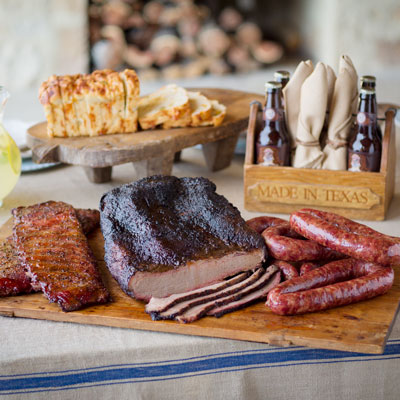
There are in reality several distinct styles of Texas barbecue, drawing on the diverse cultural traditions of the Lone Star State. In Texas, beef is king—primarily brisket, which is smoked for up to 18 hours, generally with oak. While brisket is the most popular cut, it is followed closely by sausage, and not so closely by beef short ribs. (Pork and even lamb do make appearances on menus.) The meat gets most of its flavor from the slow smoking, and most Texan pitmasters don't bother with rubs or mops, says Raichlen. The beef is usually served sliced with soft white bread. "Texan barbecue sauces tend to be based on tomatoes and chile powder and are rather thin, tart, and vinegary." Many 'cue joints in Texas also serve beef ribs, sausage, and other meats, but brisket is the star.
These mop-sauces feature local flavors: American chili powder, ancho powder, hot sauce, cumin, beer, onion, beef drippings, and maybe even coffee grounds. Thin as it is, it adds a richness and depth to the meat because it doesn't just sit on the surface, it penetrates.
The most iconic and best known is the Central Texas-style that originated in the German and Czech meat markets during the late 19th century. In combining Central European butchering traditions and the most readily available protein and wood — beef and post oak — this style is as primal and stripped down a form as any you will find. Beef is king, here. You'll find brisket in all forms—both the leaner, dryer 'first cut,' or the top half of the brisket, and the whole brisket, which includes a layer of fat between the two layers of meat. You’ll also see clod (the shoulders of the cow), Flinstonian-size beef ribs, and sauce served with Saltines or white bread, plus pickles and raw onions. Sauce is irrelevant, unnecessary, and unbecoming of real central Texas barbecue. In fact, sauce is not even available at places like Kreuz Market or Smitty's Market.
In East Texas, we find barbecue traditions closer to those of the deep South. Pork is more prevalent and so is sauce. But they also serve brisket, often heavily sauced and simmered after being smoked, until it falls apart like pot roast.
In west and southwest Texas, one finds cowboy and Mexican-influenced barbecue. Cowboy style involves direct grilling rather than offset smoking. Beef, pork, and also chicken are popular. The Mexican tradition introduces barbacoa-style cooking to the vernacular.
*Smoked Beef Brisket w/ Beer Mop
Oklahoma Joe's Smoked Brisket Flat
Barbecue Styles
Here are some of the typical ingredients
North Carolina - Eastern :
BBQ: pork. Sauce: Thin sauce, vinegar base, hot peppers, mustard, no
tomato or ketchup
North Carolina - Piedmont/Lexington: BBQ: pork. Sauce: Thin tomato and
vinegar: about 1 part tomato to 2 parts vinegar
North Carolina - Western: BBQ: pork. Sauce: More tomato, less vinegar:
about 2 parts tomato to 1 part vinegar
South Carolina: BBQ: pork. Sauce: Mustard base with no tomato
Georgia: Pork: Ketchup, mustard,
onion, vinegar, pepper
Alabama: Pork: An unusual mayonnaise base
with no tomato sauce, although red sauce is common, too
Florida: Pork: Seafood. butter, lemon/lime, horseradish
Louisiana: Pork, seafood: Tomato, garlic, cayenne, tabasco, celery,
pecan, bacon, green pepper
Missouri Pork: Vinegar based
Arkansas Pork: Heavily vinegar. May or may not have significant tomato
Kentucky - Eastern: Pork: Equal ketchup, vinegar, some worcester
Kentucky - Owensboro: Pork: Vinegar, and lots of worcester - hence the
common name, "Owensboro Black"
Kentucky - Western: Pork: ketchup, worcester
Memphis/Tennessee: Pork. tomato, molasses, emphasis on dry rub, often
no sauce
Kansas City: Beef, pork. tomato, spices (cinnamon, clove, etc.)
Texas: Beef - tomato, dark red chili, coffee; chicken - tomato, lots
of pepper, finished with butter
Southwest: Beef. tomato, chili.
California: Santa Maria style is the only indigenous tradition. Orange
flavored BBQ sauces are often labeled California.
Information from: BBQ Central
