Dried Beans
Text from http://habee.hubpages.com/hub/A-Guide-to-Dried-Beans
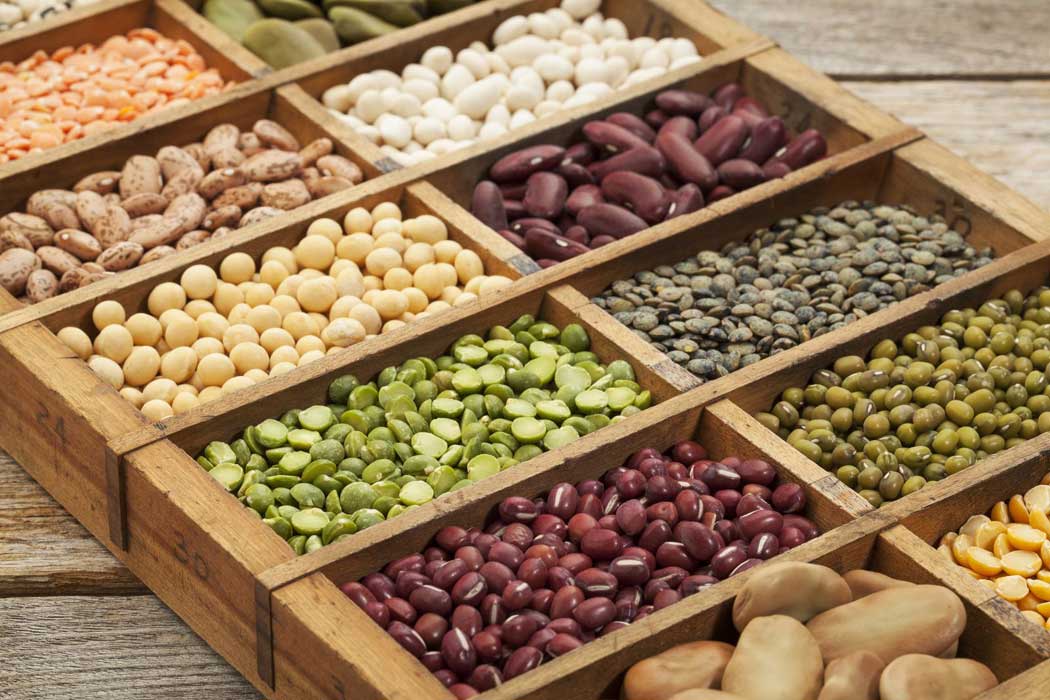
Left row starting from top left: black-eyed peas - just a few can be seen, red lentils, pinto beans, yellow or white peas?, green split peas, adzuki beans, dried fava beans
Right right row starting from top right: fava beans?, not sure about the white beans, kidney beans, French green lentils (puy lentils), mung beans, yellow lentils or split chickpeas
Dried beans are actually legumes, or pulses, and are members of the leguminosae plant family. Legumes form seed pods that tend to split when the seeds are mature, and the family includes beans and peas. When young, legumes can often be eaten fresh, like vegetables – butter beans, black-eyed peas, and scarlet runner beans, for example.
Once they've been dried, they're high in soluble fiber, complex carbohydrates, thiamin, iron, zinc, folacin, magnesium, copper, and manganese, while being low in fat. Beans are an inexpensive way to get needed protein, too. In fact, one cup of cooked dried beans provides more than one-third of your daily protein requirement, at an average of 230 calories. Now you understand why dried beans could be an important part of survival during emergencies. Even without electricity, the beans could be cooked over an outdoor gas cooker or even a campfire.
Preparing legumes
Dried beans and legumes, with the exceptions of black-eyed peas and lentils, require soaking in room-temperature water, a step that rehydrates them for more even and quicker cooking. Before soaking, pick through the beans, discarding any discolored or shriveled ones or any foreign matter. Soaking also leaches some of the gas producing properties out of the bean. But for this to work, you need to discard the soaking water and replenish it with fresh water before cooking. The longer you soak them the less gassy beans will be. Depending on how much time you have, choose one of the following soaking methods:
- Slow soak. In a stockpot, cover 1 pound dried beans with 10 cups water. Cover and refrigerate 6 to 8 hours or overnight.
- Hot soak. In a stockpot, bring 10 cups of water to a boil. Add 1 pound dried beans and return to a boil. Remove from the heat, cover tightly and set aside at room temperature for 2 to 3 hours.
- Quick soak. In a stockpot, bring 10 cups of water to a boil. Add 1 pound dried beans and return to a boil. Boil 2 to 3 minutes. Cover and set aside at room temperature for 1 hour.
- Gas-free soak. In a stockpot, place 1 pound of beans in 10 or more cups of boiling water. Boil for 2 to 3 minutes. Then cover and set aside overnight. The next day 75 to 90 percent of the indigestible sugars that cause gas will have dissolved into the soaking water, which is then drained off.
Cooking tips
After soaking, rinse beans and add to a stockpot. Cover the beans with three times their volume of water. Add herbs or spices as desired. Bring to a boil. Then reduce the heat and simmer gently, uncovered, stirring occasionally, until tender. The cooking time depends on the type of bean, but start checking after 45 minutes. Add more water if the beans become uncovered.
If you've boiled your beans for several hours and they still haven't softened, it's probably because they are old. Old, air stored beans 5 or more years old get 'hardened' and may never soften up. There are two ways of getting around this. You can put them in a pressure cooker for 45-60 minutes and this should do the trick, or you can grind them. Incidentally, normal beans that aren't 'hard' cook in about 20 minutes is a pressure cooker. Hardened beans still contain much of their nutrition.
Cooks Illustrated found that the pH of the cooking liquid had an effect on how fast beans cook. This is what they did. "We filled three pots, each with 5 cups of water. To one we added 1 percent baking soda by weight to turn it alkaline (about 8 on the pH scale) and to another we added enough citric acid to increase its acidity to 3. We left the third pot untreated so that it registered a neutral pH of 7. We stirred a cup of black beans into each pot, brought them all to a simmer, covered the pots, and put them in the same 350-degree oven to cook. We removed all three pots from the oven when the beans in the alkaline water had turned tender, or about 45 minutes. We repeated the test three times.
Results. When the beans in the alkaline environment turned tender, the others were far behind. The beans in the plain water had only slightly softened after 45 minutes. We returned this pot to the oven and they required another 15 minutes of cooking time, an hour in total. Those in the acidic water were still rock-hard after 45 minutes. They required a total cooking time of one hour and 45 minutes to soften fully.
At the 45-minute mark, we removed some beans from each pot and placed them on the counter. We then applied a 5-pound weight on top. The beans cooked with baking soda were incredibly tender and squished down beautifully. The beans cooked in a neutral environment squished slightly but were still hard. The beans cooked with acid were rock-hard; the weight barely made a difference."
Other tips:
- Always use fresh dry beans if possible. Beans that have been stored for over 12 months or in unfavorable conditions may never soften.
- If the cooked beans still seem tough, add a 1/4 teaspoon sodium bicarbonate (baking soda) for each pound of beans to increase tenderness. While adding baking soda is an old trick, remember that the ingredient also may over-soften fresher dry beans, causing mushiness.
- Add salt and acidic ingredients, such as vinegar, tomatoes or juice, near the end of the cooking time, when the beans are just tender. If these ingredients are added too early, they can make the beans tough and slow the cooking process.
- You may need to increase the cooking time if your water is overly hard or you live at high altitudes.
- Beans are done when they can be easily mashed between two fingers or with a fork.
- To freeze cooked beans for later use, immerse them in cold water until cool, then drain well and freeze.
- One pound of dried beans (about 2 cups) yields about 5 or 6 cups cooked beans. A 15-ounce can of beans equals about 1 1/2 cups cooked beans, drained.
For More Information
Taxonomy of Legumes
List of Recipes Made with Beans
Home Grown Bean Sprouts
Types of Dal
Beans that Hold Their Shape
Best For: Cold bean salads, chilis, pasta dishes, and distinct stews.
Adzuki beans
Anasazi beans
Black-eyed Peas
Black Turtle beans - become creamy if cooked a long time
Borlotti beans (Cranberry beans)
Canellini Beans (White Kidney beans)*
Chickpeas
Channa Dhal
French Puy Lentils
Kidney beans
Navy beans
Brown/Green Lentils
Black Lentils
Red Beans
*Canellini beans - While they hold up better than lentils, these starchier, delicate white beans easily turn creamy and burst or lose structural integrity if over-agitated or overcooked. Simmer, don't boil, while cooking. Add salt early. Salt makes bean skins elastic so they stretch instead of bursting.
Beans that Completely Dissolve (Turn to Puree)
Best For: Creamy soups, dals, purees, refried beans, and thick gravies.
Split Peas (Green and Yellow): These are dried peas that have been peeled and split in half. Because they lack a skin, they completely decompose into a smooth, creamy puree after 30 to 45 minutes of simmering.
Red and Yellow Lentils: Often referred to as "soft lentils" or split dals, these lack skins and possess a very fragile structure. They completely disintegrate and lose their shape within 15 to 20 minutes, melting down to form the base of thick curries, Indian dals, and stews.
Breakdown and Thicken (Soft/Creamy Beans)
Navy Beans: These are small white beans with incredibly thin skins. When simmered over long periods, they naturally burst and break down, creating a velvety, creamy broth without needing extra starch or dairy.
Pinto Beans: While they can hold their shape if cooked very gently, pinto beans have a soft structure that easily breaks apart under moderate heat. This easy breakdown makes them the premier choice for mashing into creamy refried beans.
Flageolet Beans: These delicate French beans tend to split and dissolve on the tongue if subjected to extended cooking.
Beans that Lose their Shape
Lima Beans (Butter Beans) - handle gently
Mung Beans
Moong Dhal (split yellow lentils, mung beans)
High starch content: Some varieties, like navy beans or pinto beans, have a high starch content. This is a normal part of their composition and will cause them to become soft, break down, and create a creamy, thick stock during cooking. Certain varieties hold shape better: cranberry/borlotti, cannellini, chickpeas, black beans and kidney beans are generally firmer than navy/pea beans.
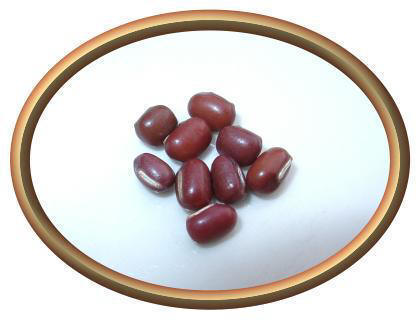
Adzuki Beans (aZOOky)
Also known as the feijoa bean, the adzuki bean is a small, russet-coloured bean with a sweet flavour. Adzuki beans hold their shape when cooked. Great for soups and Japanese & Chinese dishes. Try this bean in rice dishes or salads.
Azuki beans are similar in size and shape to Mung beans but somewhat sweeter. Whole beans should be soaked at least 6 hours before cooking.
These small red beans are native to Asia and grown primarily in China, Japan and Thailand. They are most known in the U.S. for their use in Japanese and Chinese cooking, particularly for sweet bean paste and for sprouting. You can find this bean used in the red bean paste in Cantonese pastries, desserts and dim-sum.
This bean can be ground into flour that is used in bread, pastry, sweets or it can be eaten after sprouting.
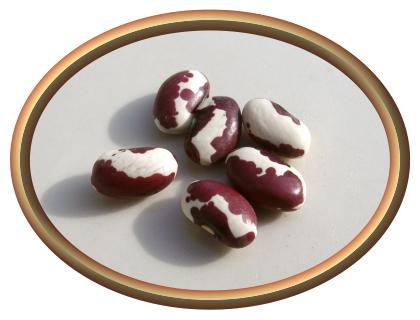
Anasazi beans
The anasazi bean is named after the extinct Anasazi or the Pueblo Indians. The anasazi was first commercially sold around 1983. The anasazi bean is now just gaining a foot-hold in the market.
This bean is sweet and firm, and it holds its shape well during cooking. It has a somewhat mealy texture and is often part of Southwestern regional cuisine. Anasazi beans should be soaked for at least five or six hours.
The anasazi is a white bean with a maroon patern and is a cousin to the pinto bean. They have a flavorful, sweet taste and are easier to digest and therefore cause less gas than the other beans. Interestingly, the anasazi bean only has 25% of the gas producing properties of the pinto which falls roughly in the middle of the gas producing scale.
Anasazi beans can be substituted for pinto or red kidney beans in your favorite dishes. Not just another bean, the anasazi is flavorful, adaptable, and full of nutrition. And eating them gives one a sense of being in touch with the ancient Indians who gave them to us.
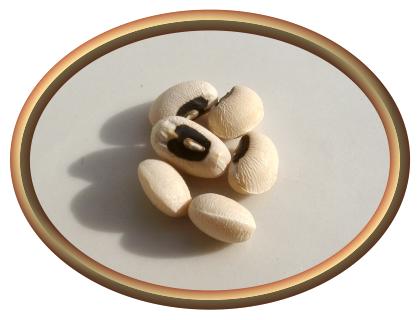
Black-eyed Peas
Black-eyed peas are actually a small, almost white bean with a black spot along their side. Originally brought to the United States by slave traders, this bean has been a popular food in the Southern US for hundreds of years. These beans, sometimes referred to as cowpeas, are also popular in Africa in different fermented dishes. In India they are often eaten like lentils.
Thin skinned black-eyed peas cook up in only 30 to 60 minutes and require no presoaking. Traditionally served with rice or corn bread, they remain a popular Southern cuisine. On New Year's Day in the South there's a tradition of black-eyed peas being made into Hoppin' John which has the reputation of bringing good luck. Black-eyed peas cooked with onion, garlic and tomato sauce make a delicious dish.
Black-eyed peas hold their shape when cooked. Great in salads, casseroles and fritters, and traditionally used in Southern dishes.
Hoppin' John
Turnip Greens Soup
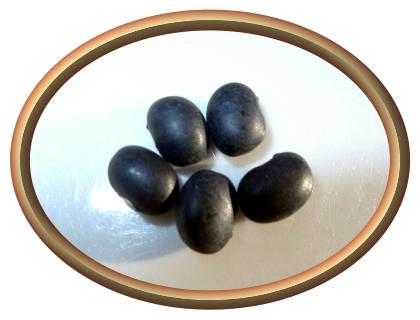
Black Turtle Beans
Black turtle beans, also called just Black beans, have a smooth, soft texture and an earthy, sweet flavor with a hint of mushrooms. They hold their shape well when cooked, so they're often used in salads. They also go well with corn. Black beans are popular in Mexican, Brazilian, and Latin American soups and side dishes. Soak for a minimum of four hours. It is also popular in China where it is fermented for many uses.
The black turtle bean is a small, black, oval shaped bean. They turn a dark brown color when cooked. When cooked with other beans, the color from the black turtle runs through the other beans giving the whole pot a dark color. Black turtle beans tend to break up when cooked. You can lessen this by not pre-soaking them. They also loose their skins quite easily and might not be a good candidate for the pressure cooker because of this as the skins might plug up the pressure regulating valve.
High in iron, the black turtle bean cooks up in 1 to 1-1/2 hours, expanding three times their dry size and are often served in thick soups with rice.
Caribbean Black Beans & Rice
Black Bean Soup
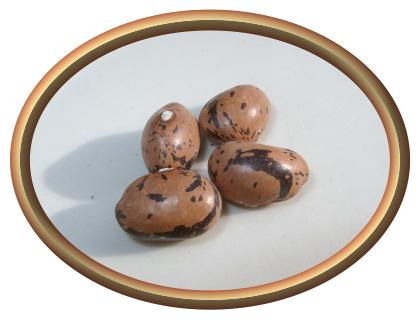
Borlotti Beans
These beans hold their shape when cooked, and are great for rice dishes, salads or Mediterranean soups.
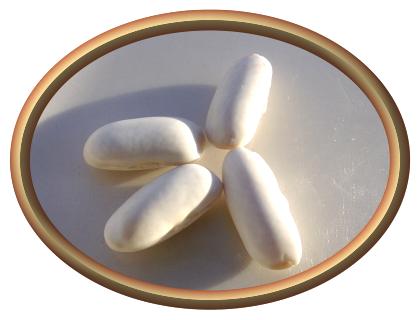
Canellini Beans (White Kidney Beans/Lingots)
These beans are similar in taste and texture to navy beans, but they have a slightly different shape. As the beans simmer, they readily absorb other flavors. These beans hold their shape when cooked, and are traditionally used in Italian cooking in pasta, salads, and soups or as a side dish. They’re often used in white chili, minestrone, and other soups and stews. Soak for a minimum of four hours.
Pasta e Fagioli (Italian pasta and bean soup)
Classic Minestrone Soup
Tuscan White Bean Soup
Shrimp & White Bean Stew
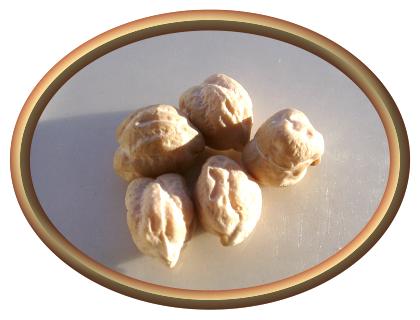
Chickpeas (Garbanzo Beans)
Garbanzo beans are believed to be one of the oldest cultivated beans, dating back as far as 5400 BC.
Chick peas are also known as garbanzo beans and ceci in Italian. They are tan in color with a rough skin and are an irregular round shape. This bean has a nutty flavour and when pureed is used as hummus or when deep fried in balls as falafel, popular Middle Eastern dishes. This bean is also used in stews, casseroles, salads and soups. Chickpeas hold their shape when cooked. Great to use in salads, casseroles, minestrone soup, Spanish and Indian dishes, or to make hummus!
Hummus
Roasted Pepper Hummus
Three Bean Salad
Middle Eastern Vegetable Salad (w/ tomatoes, cucumbers & feta cheese)
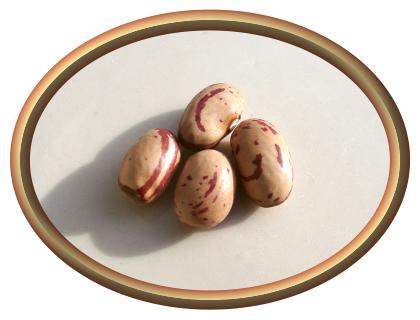
Cranberry Beans
Cranberry beans have a mild, nutty flavor reminiscent of chestnuts. They absorb other flavors readily and are popular in Northern Italian cuisine. Unfortunately, they lose their beautiful red color through the cooking process. They need to soak for at least four hours before cooking.
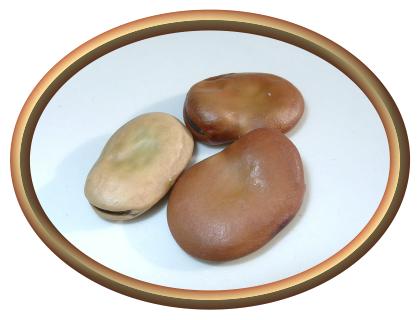
Fava Beans
Native to North Africa or Southwest Asia, these were the only beans common in Europe before discovery of the Americas. They are essential to the cuisines of peoples all around the Mediterranean, particularly the Near East and North Africa, and are widely marketed in North America, with fresh increasingly available.
Fava beans are large, very hard beans that need to soak overnight before cooking. They have a sweet, nutty taste and a creamy texture. Fava beans are popular in Mediterranean cuisine and are often added to pasta, risotto, and soups.
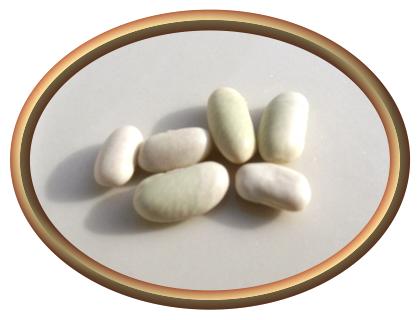
Flageolet Beans
These beans are small, with a creamy texture. Flageolet beans are often referred to as "the caviar of beans" and are relatively expensive. They’re used widely in French cuisine and are often served with lamb. Soak for five hours before cooking.
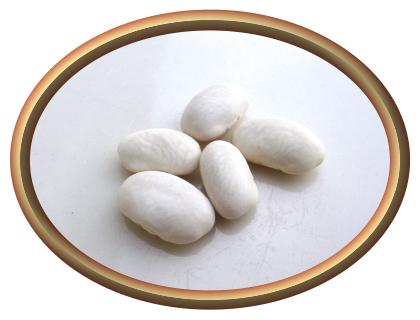
Great Northern Beans
Throughout history, Great Northern Beans have held a significant role as a staple food among Native American tribes. Over time, European settlers embraced these beans and carried them along during their migration across the continent. Presently, Great Northern Beans are cultivated in various regions worldwide, including the United States, Canada, and Europe.
These beans have a very mild flavor, thin skins, and a velvety texture when cooked. They readily absorb the flavors of added spices and herbs. They are great in baked beans, casseroles and anywhere a mild flavored bean is called for.
They’re a popular ingredient in Mediterranean dishes and in French cassoulet. They most often used in soups, stews and casseroles and can be substitutes for navy beans or lima beans.
These beans are ideal for providing volume and a background for other flavors, but if you want to feature bean flavor use red or pink beans. They need to soak for a minimum of four hours.
Similar in looks to the navy bean, the great northern bean is larger with an oval shape and is white in color. This bean makes a good substitute for cannellini or white beans in any recipe.
Navy vs Great Northern beans: Navy and great northern beans may share a similar flavor, but their distinct textures make them suitable for different cooking applications.
With their thick skins and creamy texture, Navy beans are perfect for hearty and thick dishes like Boston beans, pork and beans, and navy bean soup. They can withstand long cooking times without losing shape, making them ideal for slow-cooked stews and soups. Navy beans also work well in casseroles and bakes, adding substance and flavor to oven-baked dishes. When mashed or pureed, navy beans create a creamy consistency, making them an excellent base for hearty dips and spreads.
On the other hand, great northern beans have a thin skin and tender texture that makes them ideal for delicate dishes. They retain their shape and offer a subtle, delicate flavor, making them perfect for minestrone soup and chicken chili. Additionally, they work well in cassoulets and lighter baked dishes, where their texture and taste can shine without dominating the overall dish.
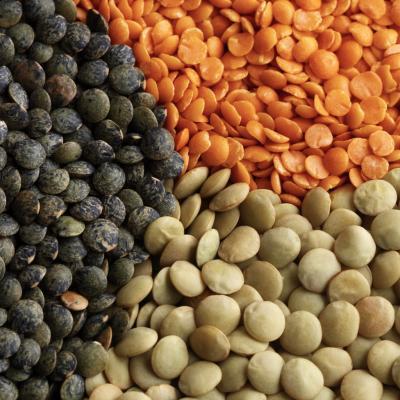
From left clockwise, lentils du Puy, red lentils,
and common brown lentils
Lentils
Probably originating in Turkey and/or Syria, these pulses are smaller than most beans and disk shaped rather than bean shaped. Optical lenses take their name from this shape. Lentils were one of the very first cultivated crops, probably more than 9000 years ago, and are now grown worldwide with varieties in different sizes and colors. Lentils are mentioned 4 times in the bible, the first time being in a bowl of pottage Jacob gave Esau as he forsook , his birthright about 4,160 years ago. In India small beans of genus Vigna are sometimes called "lentils".
They are commonly sold whole, peeled and peeled and split. Colors range from slate green, brown, and black to reddish orange, coral, and gold, with all varieties having unique, delicious flavors and textures but a similar nutritional profile.
Cooking times are less than for beans, particularly in dal form (peeled and split) so they are seldom soaked before cooking. Pressure-cooking is not recommended for any variety of lentils, as the foam that they create during the cooking process can clog pressure vents. Nor is it generally necessary, as most varieties cook quite quickly using the boil and simmer method. One of the easiest beans to digest, lentils also rate as a favorite because of their short preparation time and versatility.
In general, the brown and green varieties retain their shape well (some more fully than others), whereas the hulled and, most particularly, split red and yellow lentils tend to disintegrate and, therefore, are best for soups or in applications where they'll be pureed. Do not presoak hulled and/or split lentils.
Lentils have a high nutritional value second only to soy beans in protein content.
Two Broad Classes
1. Lentils that keep their shape after cooking.
But when it comes to cooking, they are more or less interchangeable. If your recipe doesn't specify a particular variety, use whatever you have to hand. I suspect that in a blind tasting test, a non-expert would be hard pressed to tell the difference. These types of lentils all keep their shape after cooking. These varieties differ considerably in taste and texture.
- brown (the most common type in the USA)
- green
- black
- Puy (grown in the Haute-Loire region of France)
- "french" (which are actually Puy lentils but are grown in North America)
- beluga (so-called because they resemble beluga caviar)
- macachiados (used in Mexican cuisine)
2. Disintegrate when cooked.
These are different from all the other types in two important respects. They need much less cooking time. And they disintegrate into a mush when cooked. Because of this second point, red lentils are unsuitable for most lentil recipes. So you should avoid using them for vegetarian moussaka, lentil roast, lentil shepherd's pie, veggie burgers, or anything similar. But that doesn't mean that red lentils have no place in your kitchen. On the contrary, they come into their own for making lentil soup and Indian dals, and they are also very useful for thickening stews and casseroles – not to mention adding a worthwhile helping of protein to those dishes.
- Red or "split" lentils (they're actually a bright orange color)
- yellow lentils (Yellow Split Pigeon Peas)
Brown Lentils
This is your common grocery store lentil in the USA, available in several sizes. It is most sold whole but also in the peeled and split form which is a medium yellow color and called "Yellow Lentils".
Brown lentils sold in bulk or in a package that is labeled simply as “lentils” with no delineation of specific variety will typically be the “regular” lentil, also known as brewer lentils, and is the most common type of lentil available in North America. Distinguished from other lentils by their mottled khaki color, regular lentils have a mild, somewhat earthy flavor. Commonly used to make hearty soups, stews, and side dishes to serve along with grains and pastas, this variety holds its shape well after cooking. Still, these tender beans are also easily mashed, which is why they have long been associated with making vegetarian meat loaf and burgers. Brown lentils and rice have similar cooking times, so they've long been cooked together.
Lentil Soup
Lentil & Brown Rice Pilaf (can use to stuff vegetables)
Lentil Salad (French green lentils w/ mustard viniagrette)
Puy Variety
Grown in the volcanic soils of the Le Puy district in the Auvergne in central France for nearly the past two thousand years, Puy lentils offer exceptional quality, flavor, and nutritional content, most notably mineral contents and particularly iron and magnesium. The "celebrity" of lentils, this variety is one of the very few vegetables to win the coveted AOC (Appellation d'Origine) designation in France, which is an assurance of the origin and purity of strain of French food. They are a beautiful speckled green and keep their shape. If you have ever had a lentil dish in a really upscale restaurant, you were probably served this variety, which is a favorite with famous chefs! Known for their distinctive rich, peppery flavor, Puy lentils are traditionally served as a side dish, in salads, as a focal point in a meal, or even as a foundation for meat, fish, or game.
Basic French Lentils (used in other recipes - soups, salads, etc.)
Lentil Salad (French green lentils w/ mustard viniagrette)
French Green Lentils (Puy lentils grown in North America)
Known for their distinctive rich, peppery flavor, French green lentils are further distinguished by their slate green color with bluish black undertones, and their small size, about one-third or one-fourth the size of green lentils. They are also rich in antioxidant phytochemicals similar to those in blueberries and black grapes and in minerals, particularly iron and magnesium. While French green lentils are grown using the same variety of lentil as the famous Puy lentils, since they are grown in North America or Italy rather than the Puy region in central France, they are never referred to as lentilles du Puy. Nonetheless, they can be substituted in any recipe that calls for Puy lentils, not to mention being less expensive, as well. As French green lentils hold their shape well, use them as a side dish in accompaniment with vegetables and pasta, in salads, in a light soup, or as a focal point in a meal.
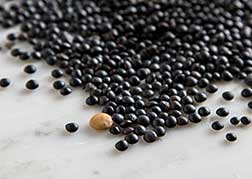
Black beluga lentils with one brown lentil
for comparison
Black Lentils - (Beluga lentil)
These tiny black lentils are similar to Puy Lentils but are smaller and most are black rather than mottled, though a few mottled ones are likely to be in the batch. They hold their shape well and look remarkably like shiny, glistening caviar when cooked, thus the name "beluga" after the black caviar. They are particularly used as an ingredient in salads and soups. As with many other lentils there are large and small varieties (actually small and really small). Their rich, earthy flavor and soft texture is perfect in salads and soups or featured with pasta, rice, or sautéed vegetables.
Red/Yellow Lentils
With colors ranging from gold to orange to actual red, these are the sweetest and nuttiest of the lentils. They're somewhere in the middle in terms of cooking time and are usually done in about 30 minutes. They tend to get mushy when cooked through, so they're perfect for Indian dals and other curries, or for thickening soups. A few varieties are Red Chief and Crimson, and you'll often find them in Indian or Middle Eastern markets labeled as masoor (red lentils) or channa (yellow lentils - channa are the Desi type chickpeas).
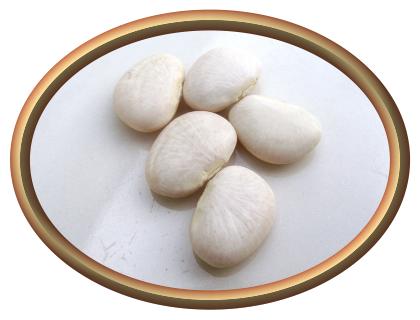
Lima Beans (Butter Beans)
Widely found in supermarket freezer aisles year-round, capturing the young, green, tender state of the bean, these smaller green beans are usually harvested earlier and sold as young or baby lima beans. Larger, starchier, and paler (or beige/white) beans are more mature and frequently labeled as butter beans. They are often sold in cans. Mature beans that are dried for long-term storage require soaking before cooking.
Lima beans, sometimes called butter beans, are a flat-shaped, creamy white-colored bean. These beans have a buttery, sweet, starchy taste and a smooth texture. When cooked, lima beans are quite soft and won't hold their shape well if roughly handled. When cooked for long periods, they create a thick, gravy-like liquid.
Lima beans are native to South America and are popular in Andean foods. They're also used widely in regional Southern cuisine. They are a popular vegetable side-dish and are added to soups and casseroles. They also go well with rice or cornbread. Soak overnight before cooking.
They’re starchier than other beans and are often used in soups, stews, succotash, and casseroles, or just cooked simply with herbs and spices. In the south, they’re often cooked with ham or bacon and served over rice.
Note: Lima beans must never be eaten raw as they contain natural compounds that require proper cooking. Fresh and frozen types cook quickly without soaking, while mature dried types need a long soak and simmer. The Compound: Raw lima beans contain linamarin, which is a type of cyanogenic glycoside. This acts as a natural defense mechanism to protect the plant from being eaten by insects or predators. Ingesting even small amounts of raw lima beans can cause cyanide poisoning. High heat deactivates the enzymes required to trigger the chemical reaction that creates the cyanide.
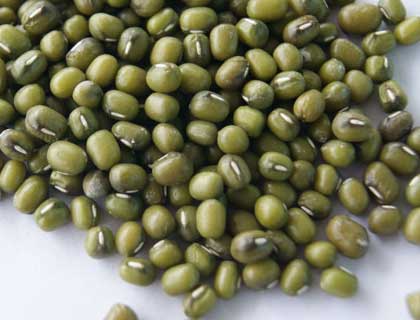
Mung Beans
The mung bean (Phaseolus aureus), unlike the other types of beans, is native to India, but has been cultivated in China and Southeast Asia for thousands of years. In the United States, mung beans are chiefly sprouted and are the main sprout found in grocery stores. Mung beans are used in Indian recipes skinned and split to make dal (sometimes written as dhaal, dhal or dhall.). The Sri Lankans use them to make idli.
Regularly used in Indian and Asian cuisines for soups, casseroles or curries. Whole mung beans need to be soaked at least 4 hours and preferably 5. These beans tend to go mushy when cooked. Mung beans are considered low on the gas producing scale.
Mung beans are often consumed as bean sprouts. Bean sprouts are a good source of vitamin C and make a nutritious addition to sandwiches and salads. Mung bean sprouts are also used in stir-fried vegetables and in Asian dishes. Mung beans are the bean used to make transparent bean thread noodles popular in East Asian cooking.
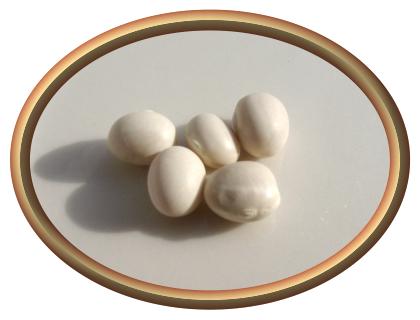
Navy Beans (haricots blancs similar)
Navy beans, also known as pea beans, have a fascinating historical context dating back to the early 1800s. They gained their name from extensive use as a staple food in the United States Navy during the 19th century. US Navy ships relied on these beans as a primary source of sustenance due to their excellent nutritional profile and ability to be stored for long periods without spoilage. As a result, navy beans became a crucial food item for sailors during their long voyages, earning them the moniker "navy beans."
The navy bean, also known as the pea bean or Yankee bean, is prized for it's smooth texture and nutty flavor.
It is a small white oval, mild flavored bean that when cooked has a powdery texture. It is smaller than the Great Northern but similarly mild in flavor. They are most often used when making pork and beans (also called baked beans) and ham and bean soup (an American classic soup). They can also be used in other soups and stews.
They tend to hold their shape during cooking and are often used to make Boston baked beans, pork and beans, and Bean Soup. Navy beans are ideal to provide volume and act as a transport for featured flavors other than the beans (molasses in the case of Boston Beans). Soak for five or six hours before cooking.
Navy beans or pinto beans, have a high starch content. This is a normal part of their composition and will cause them to become soft, break down, and create a creamy, thick stock during cooking. Certain varieties hold shape better: cranberry/borlotti, cannellini, chickpeas, black beans and kidney beans are generally firmer than navy/pea beans.
Mom's Bean Soup
Minestrone Soup
Boston Baked Beans
Jack Stack Barbecue Beans (pork and beans)
Navy vs Great Northern beans: Navy and great northern beans may share a similar flavor, but their distinct textures make them suitable for different cooking applications.
With their thick skins and creamy texture, Navy beans are perfect for hearty and thick dishes like Boston beans, pork and beans, and navy bean soup. They can withstand long cooking times without losing shape, making them ideal for slow-cooked stews and soups. Navy beans also work well in casseroles and bakes, adding substance and flavor to oven-baked dishes. When mashed or pureed, navy beans create a creamy consistency, making them an excellent base for hearty dips and spreads.
On the other hand, great northern beans have a thin skin and tender texture that makes them ideal for delicate dishes. They retain their shape and offer a subtle, delicate flavor, making them perfect for minestrone soup and chicken chili. Additionally, they work well in cassoulets and lighter baked dishes, where their texture and taste can shine without dominating the overall dish.
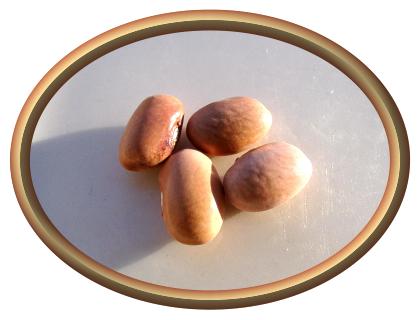
Pink Beans
Pink beans are small, pale, pink-colored beans with a rich, meaty flavor and a slightly powdery texture. Requiring about an hour to cook after being soaked, the pink bean is a relative of the kidney bean and turns a reddish brown when cooked.
Pink beans have a hearty, meaty flavor, a refined texture, and are often used in chili, soups, stews, and similar dishes. Pink beans taste a lot like Red Beans, but in our tests they cooked a bit faster and broke up a lot more, indicating they have thinner skins so are ideal for purées and other recipes where the beans will be broken up. Pink beans have a deeper bean flavor than White Beans so whites are better as a neutral background and pink for more intense bean flavor. Presoak 8 hrs.
The pink bean is a favorite in chili making and can be found in many other Old West recipes as well. You can substitute the pink bean for red kidney beans or pinto beans in any recipe that calls for them.
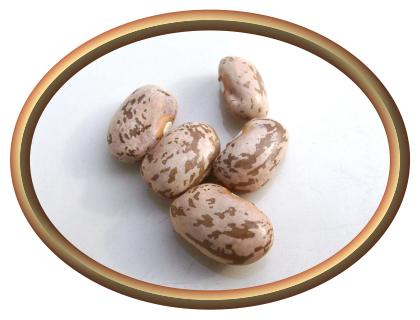
Pinto Beans
The pinto bean (pinto means "painted" in Spanish), a member of the kidney bean family, is an oval shaped, tan colored bean that's mottled with a light brown pattern on it's shell. It's very popular across the Southern United States and is the most common bean eaten in the US with a consumption rate of almost 45% of all the beans eaten.
These beans become very soft when cooked and have an earthy flavor. They have the most fiber of all dried beans. They are popular for making chili, soups and baked beans and can be substituted for recipes calling for kidney or red beans. Pinto beans are a staple in Latino cuisine and are the preferred beans used in making refried beans and bean dips. Pinto beans are are great in Tex-Mex and Mexican bean dishes. Soak for six hours before cooking.
After soaking, pinto beans require about 1-1/2 to 2 hours to cook, increasing 3 times their dry volume during which time they lose their mottling and turn a nice brown color. You can safely substitute pinto beans when your recipe calls for kidney, anasazi, Roman or borlotti beans.
Refried Beans
Mexican Pinto Beans
Rattlesnake beans: This is a type of pinto bean, and the texture and taste is much the same. Actually, only the vines are different and they are speckled with red on white. They are named for the snake-like manner in which their pods coil around the vine. Soak for six hours.
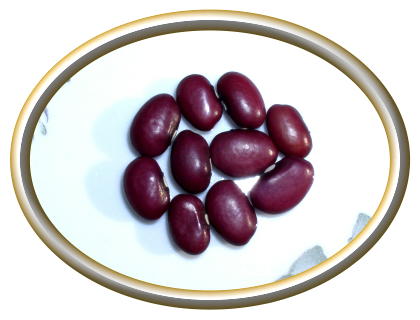
Red Beans
These beans are very popular in the Southern U.S., especially as a part of Cajun and Creole dishes like red beans and rice. They’re well complimented with the use of spices. In tests, red beans were much firmer in the same cooking time as the similar tasting Pink Beans indicating reds have tougher skins, so use pink beans for purées or where beans are broken up and red where firmer individual beans are desired. Pre-soak 8 hrs
Smaller than the pinto or kidney bean, the small red bean holds it's shape and firmness when cooked. It is most often used in soups, salads, chili and Creole dishes. Small red beans are used to make Louisiana Red Beans & Rice. Nearly all of the US crop is grown in Idaho and Washington.
Red Beans & Rice
Red Beans & Rice with Pickled Pork
Mexican Red Beans
Mexican red beans have a mild taste and a smooth texture. Even after sufficient cooking, they remain firm and intact. As their name implies, these beans are often part of Mexican dishes. Soak for at least four hours.
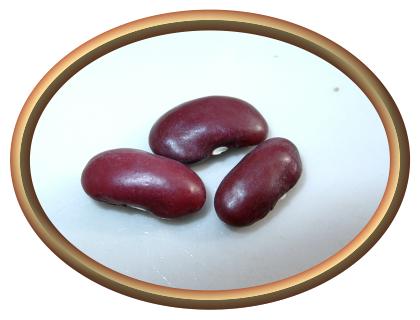
Red Kidney Beans
Kidney beans have a slightly sweet flavor and a soft texture when cooked. They’re very versatile and can be used in a wide array of dishes, including chili, refried beans, and cold salads. Unlike some brightly colored beans, kidney beans retain their dark red color with cooking. Kidney beans need to soak for five or six hours before simmering.
This bean is very popular in Mexican, Brazilian and Chinese dishes. Kidney beans go well in most any dish calling for a large, firm bean.
Chili
Red Beans & Rice
Red Beans & Rice with Pickled Pork
Three Bean Salad
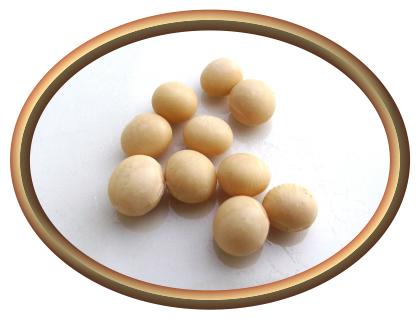
Soy Beans
High in protein and used as a vegetarian and lactose alternative for many foods, soya has transcended its Asian origins to become the most widely cultivated legume across the globe. The soya bean plant is native to China, where it has been cultivated for well over 13,000 years. The soybean was first recorded as a domesticated plant around the 11th century, BC in Northeast China. The soybean didn't reach Europe until 1737.
Like other beans, the soya bean (Glycine max) grows in pods enclosing edible seeds. They are usually green but can be yellow, brown or black. The texture is so adaptable that soya beans are frequently processed into a variety of foods. Soya beans – also known as edamame beans when eaten fresh from the pod - are consumed as an alternative to meat. They are the basis of soya milk, soy sauce, tofu, miso, tempeh, soybean oil, and soya protein.
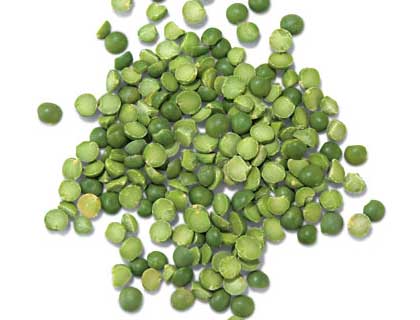
Split Peas
Pisum sativum L., or field pea, is one of the oldest crops cultivated by human beings. A native of the Fertile Crescent, Pisum sativum L. spread east to China and west through the Mediterranean and across Europe. The gathering of wild, whole peas for use in food may predate the plant's domestication, with peas carbon dated to 9750 B.C.E. found in an ancient settlement in Southeast Asia.
Despite its long history in the diets of the ancient Roman, Greek, Babylonian, Persian and Egyptian civilizations, the use of split peas arose thousands of years after the plant's domestication. This removal of the husk and splitting of the pea results in a sweeter, less starchy, earthier taste, softer texture and shorter required cooking time than for whole peas. Evidence of split pea soup dates back to 500 B.C.E. in the Greek and Roman civilizations.
Green and yellow split peas are different varieties of the seeds of the Pisum sativum L. plant. Yellow split peas tend to have a milder flavor than their slightly sweeter, green counterparts.
Split peas come in a range of colours, and tend to go mushy when cooked. Making them great for stews, soups, dhals and curries. Peas, either yellow or green, are found in the pods of the plant and are the seeds of the plant. The pods are harvested when ripe and then dried. When dried, the pod is removed and the drying process emphasises the natural split in the seed. The seed, or pea, is then mechanically separated to help speed the cooking process.
Delicious in flavor, peas and split peas go well in soups and casseroles.
Note: Split pigeon peas or Indian Toor Dal (Cajanus cajan), split-desi chickpea or Chana Dal (Cicer arietinum), and split yellow peas or Matar Dal (Pisum sativum) are all commonly referred to as split yellow peas, although they belong to different species in the bean family leguminosae (Fabaceae).
Tepary Bean
Phaseolus acutifolius, Tepary bean (ˈte-pə-rē), is a legume native to the southwestern United States and Mexico and has been grown there by the native peoples since pre-Columbian times. It is more drought-resistant than the common bean (Phaseolus vulgaris) and is grown in desert and semi-desert conditions from Arizona through Mexico to Costa Rica. Tepary beans and common beans will not crossbreed.
Tepary beans are also unique in that they stay whole, never get very creamy, but they aren’t tough or “vegetably” the way a Lima bean can be. White varieties of tepary beans are a little sweeter than the earthier brown ones; both are rich and flavorful. Black Tepary beans emerged from a tradition of separating black seeds from white or brown prior to planting. All Tepary Beans have a rich, nutty flavor that give them many culinary uses, but black Tepary beans have a more savory, earthy flavor than white or brown Tepary beans.
Due to their dense, firm texture, these beans stay whole while cooking. This makes them excellent for soups, stews and cold salads. They make fantastic frijoles de olla, or bean pot beans. If you like Boston baked beans or cassoulet, tepary beans are a great choice. They can also be puréed for a creamy consistency that is perfect for dips or spreads. Their dense, meaty texture is great for vegetarian dishes. Tepary beans have a wonderful flavor on their own but also go well with seasonings such as cumin and garlic, as well as with more pungent herbs such as sage, bay, oregano, and thyme. Chiles are also a great addition for those who like to add a little heat.
White Kidney Beans
See Canellini Beans
