Cheese Plates/Boards
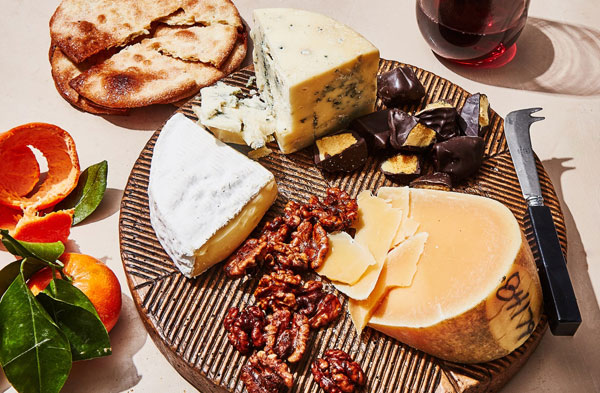
Some of us get stuck in a rut and only regularly eat a couple types of cheese. Serving a cheese board as an appetizer or dessert, or hosting a cheese tasting party is a great way to try new varieties, reconsider some of your favorites, and rethink the way you taste cheese in general.
It's generally a good idea to include a variety of cheese; if you want to focus solely on flavor, you might choose cheeses that all have similar textures. You might want all mild cheese with varied textures. Otherwise, it's a good idea to serve a range of texture and flavor intensity cheeses.
Here is a list of cheeses you could chose from, in rough order from soft to firm: brie (a soft-ripened cheese), fresh mozzarella, goat cheese, feta, fontina, havarti, gouda, gruyere (a Swiss-style cheese), dubliner (Irish cheese similar to a cheddar), sharp provolone, aged cheddar, and parmesan or asiago (make sure it's real; check for "Parmigiano Reggiano" stamped on the rind). A blue cheese such as, Gorgonzola, is also a nice addition.
You certainly don't have to include all the cheeses listed above on your board - you could keep it to just 3 or 4. As a general rule of thumb include a creamy cheese (brie), a firm cheese (Parmesan), a soft cheese (goat cheese) and a tangy cheese (Gorgonzola or blue cheese). Using this guideline is a good way to ensure that you've got a variety of cheeses with different textures and shapes. Allow for at least 3 ounces of cheese per person. If using cured meats, plan on about 3-5 ounces of meat/cheese per person.
Let the cheeses warm to room temperature for about 1 hour before serving, depending on the kind of cheese and the heat of the day. Serve in wedges or blocks and accompany with a cheese plane, slicer, or cheese knives so guests can cut their own.
Set out an array of crackers and bread — baguettes, focaccia, water biscuits, crostinis, flatbread crackers, breadsticks and thinly sliced crackers are all good choices. Try to choose plain crackers as strongly flavored crackers can take over the flavor of the cheese. Crackers and bread are often placed on the board but do not need to be. They can be put in separate dishes or baskets.
Fruit tends to go well with various cheeses. Its juicy texture and bright flavor provides a lovely contrast to the dense creaminess of cheese. Apples and pears are a classic pairing with cheese, but there's no need to limit yourself. Berries, grapes, and exotic fruit can be great with cheese. Dried fruit, such as dried cherries, dates, figs and apricots, also pair quite well. If you're using apples or other fruit that browns when sliced, soak the slices in water and lemon juice until immediately before serving.
Additions you may not think about are honey, jams and chocolates. A drizzle of honey adds that perfect sweetness to balance out the sharpness of the cheese. Place it in a small jar or bowl. Fig jam adds a nice amount of sweetness and pairs beautifully with fruit, bread, and cheese. Chocolate pairs beautifully with the berries, apricots, and cheese.
Besides fruit, fresh vegetables like fresh bell pepper bring a bright contrast to the cheese and refreshes the palate. Serve with a dip.
Don't forget savory items. Olives, even pickles, and cured meats, such as salami, prosciutto, and other Italian meats, are popluar additions. Roll meats up for visual appeal and so it is easy for guests to pick up a slice. Serve a mustard, such as a Dijon or a whole-seed mustard.
Nuts could be pistachios, walnuts, or almonds. Nuts have a deeper, nuttier flavor, if you roast them in a dry pan for a couple minutes. Candied nuts, like candied walnuts or pecans.
If serving as a dinner course, serve before-dinner cheeses with relatively savory accompaniments such as olives, prosciutto, nuts and chutney and after-dinner cheeses with sweet accompaniments such as jams, honey, dried fruit and toasted nuts.
Cheese Pairings, choose items that complime+nt each other
- Boursin or herb-flavored natural cream cheese (fresh unripened cheese) with cucumbers
- Cream cheese pairs well with blackberry jam for a sweet twist, or choose a contrasting cheese for a balanced bite. A mild blue cheese, like Roth’s Buttermilk Blue, offers a spicy, flavorful taste that is wonderfully tempered by a sweet blackberry jam.
- Fresh mozzarella (pasta filata cheese) pairs well with olive oil, prosciutto, tomatoes, Italian cured meats, and olives.
- Soft Cheeses (Brie, Camembert): Honey, sweet jams, candied nuts, berries. Brie cheese (soft-ripened cheese) pairs well with apples, French bread, cherries, dates, figs, pistachios, and strawberries. Triple cream and brie cheeses go well on crisped Italian bread with fig or raspberry jam. Fruits that complement the cheese: figs, fresh grapes, pears and berries.
- Goat cheese (goat milk cheeses) pairs well with French Bread, crackers, almonds, apricots, green apples, cherries, pears, figs, honey, grapes, dates, dried cranberries, olives, oranges, strawberries, walnuts, savory jams.
- Greek feta (Ewe's milk cheeses) with Figs or Concord grapes
- Havarti (mild semisoft creamy Danish cow's milk cheese) with red bell peppers. Havarti pairs well with raspberry, strawberry, and fig jam. For a savory pairing, try it with onion jam or bacon jam.
- Port-Salut (mild flavored French monastery cheese with orange rind) with Comice pears
- Aged gouda (bland, buttery semisoft cheese) pairs nicely with apples, apricots, cherries, peaches, and pears.
- Gruyere (Swiss-style cheese) pairs well with dark chocolate, apples, cherries, hazelnuts, and walnuts.
- Jarlsberg (Norwegian Swiss-style cheese) with Golden Delicious or Gala apples
- Provolone (mild to sharp versions of an Italian stretched-curd cheese) with pineapple
- Vermont or Canadian Cheddar (Cheddar-stype cheese) pairs nicely with green apples, walnuts, pecans, pears, nuts, honey, grapes, and dates. Fig jam, strawberry jam, or mustard (not a jam, but darn tasty) all pair well with cheddar cheese. Make sure to match the intensity of your cheese to your pairing. A sweeter jam like strawberry will pair well with a young, mild cheddar, while a bold aged cheddar is great with hot pepper jelly, mustard, or even a chutney. Sharp Cheddar: Apples, apple butter, grapes, or spicy salami.
- Parmigiano Reggiano (extra hard cheeses) pairs well with figs, pears, dates, prosciutto, balsamic vinegar, walnuts, stone fruits, grapes, and honey.
- Blue Cheese: Honey, walnuts, or sweet/tart fruit like figs. Gorgonzola (Italian blue cheese) pairs well with apples, honey, pears, almonds, figs, hazelnuts, and candied walnuts.
- Queso de Burgos with Quince paste or preserve
- Taleggio with Bosc pear
- Brebis with Cranberry compote
- Fromage blanc with Cranberry compote or Mission figs
- Tomme de Savoie with Concord grapes
- Fig jam pairs well with almost any Wisconsin Cheese! We love it with Butterkäse, blue, mild cheddar, or even cream cheese.
Pairing Crackers with Cheese
The general rule of thumb is: the stronger the cheese, the milder the cracker, and vice versa! I always make sure I have at least two kinds of crackers on every board. One should be more robust and flavorful, complementing the plainer cheeses, and one should be a neutral cracker that pairs well with the more complex cheeses.
Here are some of my favorite pairings:
- Aged cheeses (like Parmigiano Reggiano, Gouda, and Manchego) pair well with multigrain and/or whole wheat crackers & seeded crackers because the nuttiness of the seeds complements the nuttiness of these aged cheeses.
- Triple cream and soft rind cheeses (like brie, camembert, and Comté) have 2 main pairing profiles: pair them with water crackers, crostini, or butter crackers to let the cheese shine, or pair them with a fruit or seeded cracker to add a sweet or savory contrast.
- Stinky cheeses (like blue and Limburger) pair well with neutral flavors like water crackers and wafer crackers because the flavors tend to be so strong, but you can also pair them with a sweet, fruited cracker to contrast the intense tanginess.
- Sharp cheeses (like cheddar) pair well with butter crackers, like club crackers and Ritz, because they contrast the sharpness of the cheese.
- Goat and sheep cheeses (like chevre and roquefort) have a tangy, but highly versatile flavor profile that pairs well with a lot of crackers, including fruited crackers and herby crackers that will add additional flavor. If you get a flavored or coated goat cheese, you might want to choose a neutral cracker, like water crackers, to let the flavor of the cheese shine!
- Herbed cheeses (like Boursin and dill Havarti) are full of flavor, so they pair well with mild crackers like flatbreads, wafer crackers, and crostini.
Do's and Don't:
Creating a charcuterie board involves a balance of flavors, textures, and visual appeal. The key is variety and thoughtful arrangement to ensure a pleasant and sanitary grazing experience for your guests.
- Don't put all items of the same texture or color together: Mix creamy items with crunchy ones, and spread colorful fruits throughout the board to create a visually appealing display.
- Don't overload with competing flavors: A harmonious board has balance. Avoid too many strong-flavored cheeses or overly spicy items that might overwhelm subtler ingredients.
- Do select a variety of meats and cheeses: Choose a mix of textures and flavors, such as soft (brie, goat cheese), semi-hard (gouda, manchego), and hard cheeses (aged cheddar, parmesan). For meats, include options like delicate prosciutto, versatile salami, and a spicier option like chorizo. Let cheeses come to room temp (about an hour) for best flavor, and use a separate knife for each cheese.
- Do use sturdy crackers and bread: Opt for robust options like water crackers, crostini, or a sliced baguette that can hold up to various toppings without crumbling. Do not put crackers on the board directly. Some say to put them around the edge. I prefer a separate container. If you put them in a container, they won't get soggy against fruit and other wet or moist items.
- Raw Meat or Fish: Charcuterie is all about cured meats—not raw proteins like sushi or steak tartare. Stick to classic options like prosciutto, salami, and peppered turkey for a delicious and safe selection.
- Boiled Eggs: Eggs bring a strong smell that doesn’t always mix well with cheese and meats. Plus, they don’t hold up well at room temperature for long events. Skip the eggs and opt for something lighter.
- Do incorporate complementary accompaniments: Add items that balance the rich meats and cheeses, such as something sweet (fig jam, honey, dried apricots), something briny/acidic (olives, pickles, pickled cauliflower), and something crunchy (nuts, crackers, breadsticks).
- Pickles and Olives: Always put pickles and olives in a separate container on the board so the flavors don't bleed onto meats and cheeses. Olives are a fantastic addition, but unpitted ones create an unnecessary challenge for guests. No one wants to juggle a pit while trying to enjoy a bite—opt for pitted varieties instead.
- Don't use overly juicy or wet fruits: Avoid fruits like watermelon or overly ripe peaches that can leak and make other items soggy. Stick to firmer fruits like grapes or apple slices, or serve very wet items in a ramekin.
- A touch of sweetness is great, but overloading your board with chocolate, candy, or sugary spreads can throw off the balance. Stick to dried fruits, dark chocolate, or fig jam for just the right amount of contrast.
- Don't serve raw vegetables without a dip. Crunchy veggies like carrots, celery, and bell peppers can add freshness but feel like an afterthought without a complementary dip. Pair them with hummus, ranch, or a creamy spread to make them think intentionally.
- Thin sauces like balsamic glaze or soy sauce can spill onto other ingredients and create a soggy mess. Instead, go for thick spreads like fig jam, whole grain mustard, or honey to add richness without the risk.
- Be careful with flowers because a lot of them are poisonous. Stick to edible flowers.
- If you will have vegetarians as guests, you could make up a separate board, or on a single board, place meats in one area and cheeses in another.
- Don't forget dietary restrictions: Be mindful of guests with allergies (e.g., nuts, gluten). Consider offering a separate, small board with alternative options or clearly labeling the items.
